
1
THE COMMITTEE'S FIRST REPORT AND ITS IMPACT
This is the second in a series of reports by the Committee on Research Priorities for Airborne Particulate Matter. The committee was convened by the National Research Council (NRC) in January 1998 at the request of the U.S. Environmental Protection Agency (EPA), pursuant to directions from Congress in EPA's Fiscal Year 1998 appropriations report. The committee's first report, Research Priorities for Airborne Particulate Matter: I. Immediate Priorities and a Long-Range Research Portfolio , was released in March 1998. To date, the committee has held five meetings: four at the National Academy of Sciences in Washington, D.C., and one at the EPA research facility in Research Triangle Park, North Carolina. At those meetings, the committee heard presentations from scientists and officials of EPA and other government agencies and nongovernmental organizations. The committee was charged to produce a total of four reports over 5 years, 1998–2002.
The congressional request for this independent NRC study arose from scientific uncertainties surrounding EPA's July 1997 decision to establish new National Ambient Air Quality Standards (NAAQS) for particulate matter (PM) smaller than 2.5 microns in aerodynamic diameter (EPA 1997). Contemplating the next and subsequent reviews of the new standards in 2002 and every 5 years thereafter, and EPA's proposed schedule for regulatory implementation of the new standards (Table 1.1), Congress mandated and provided substantial funds for EPA to conduct a major research program to reduce the scientific uncertainties, and it directed the EPA administrator to arrange for the NRC to
TABLE 1.1 EPA's Review and Implementation Timetable for Particulate-Matter Standards*
provide independent guidance for planning the research program and monitoring its implementation. Specifically, the committee was charged to assess research priorities, develop a conceptual research
plan, and monitor research progress toward improved understanding of the relationships between airborne particulate matter, its various sources, and its effects on public health (the committee's formal statement of task is presented in Appendix B).
The committee's first report proposed an overall conceptual framework for an integrated national program of PM research (Figure 1.1). It identified ten high-priority research needs linked to key policy-related scientific uncertainties (Table 1.2), and it presented an integrated "research portfolio" containing recommended short-and long-term timing, phasing, and estimated resource requirements for such research (Table 1.3). The committee's first report did not undertake to evaluate the adequacy of the scientific foundation for EPA's 1997 decision to issue new PM standards, recognizing that such a decision involved policy judgments beyond the realm of science that the committee was neither charged nor constituted to make. Instead, the report identified uncertainties in the scientific information that should be addressed to strengthen the scientific foundation for future policy decisions.
In response to the committee's first report, Congress and EPA made substantial changes in EPA's research program and other technical activities related to particulate matter. Through in-house studies at EPA laboratories and centers, EPA funding of university-based research centers and investigator-initiated competitive research grants, and enhanced collaboration with other agencies and organizations, the overall research effort on particulate matter has been dramatically improved.
Table 1.4 summarizes changes made by Congress and EPA in the levels of resources devoted to the ten categories of research recommended by this committee. In response to the committee's first report, Congress quickly gave strong support to the committee's recommendations in EPAs' Fiscal Year 1999 appropriations report and provided $47.3 million for EPA's PM research in 1999, an increase of $25.4 million over President Clinton's 1999 budget request. An additional $8.3 million was provided to EPA's research program for related technical work in 1999. The President's request for Fiscal Year 2000 tracks the committee's recommendations closely, designating a total of $51.6 million for particulate-matter research and an additional $10.3 million
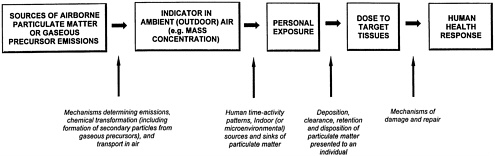
TABLE 1.2 Key Scientific Uncertainties Related to the Source-to-Response Framework
|
Source |

|
Concentration (or other indicator) |
|
• Contribution of various emission sources to ambient and indoor particulate-matter concentrations • Relative contribution of various sources to the most toxic components of particulate matter |
||
|
Concentration (indicator) |
|
Exposure |
|
• Relationship between ambient (outdoor) particulate matter and the composition of particles to which individuals are exposed • Contribution of ambient particulate matter to total personal exposure for: Susceptible subpopulations General population • Variation in relationship of ambient particulate-matter concentrations to human exposure by place • Variation in contribution of ambient particulate matter to total human exposure over time • Covariance of particulate-matter exposures with exposures to other pollutants • Relationship between outdoor ambient and personal exposures for particulate matter and copollutants |
||
|
Exposure |
|
Dose |
|
• Relationship between inhaled concentration and dose of particulate matter and constituents at the tissue level in susceptible subjects Asthma Chronic Obstructive Pulmonary Disease (COPD) Heart Disease Age: infants and elderly Others |
||
|
Dose |
|
Response |
|
• Mechanisms linking morbidity and mortality to particulate-matter dose to or via the lungs Inflammation Host Defenses Neural Mechanisms |
||
TABLE 1.3 The Committee's Research Investment Portfolio: Timing and Estimated Costs* ($ million/year in 1998 dollars) of Recommended Research on Particulate Matter
|
|
1998 |
1999 |
2000 |
2001 |
2002 |
2003 |
2004 |
2005 |
2006 |
2007 |
2008 |
2009 |
2010 |
|
SOURCE/CONCENTRATION/EXPOSURE |
|||||||||||||
|
1. Outdoor vs. human exposure |
3.0 |
3.0 |
3.0 |
|
|
|
|
|
|
|
|
|
|
|
2. Exposure to toxic PM components |
|
|
|
4.0 |
4.0 |
4.0 |
4.0 |
4.0 |
|
|
|
|
|
|
3. Source-receptor measurement tools |
|||||||||||||
|
3a. Atmospheric modeling |
2.0 |
2.0 |
2.0 |
2.0 |
2.0 |
2.0 |
|
|
|
|
|
|
|
|
3b. Receptor modeling |
1.0 |
1.0 |
1.0. |
|
|
|
|
|
|
|
|
|
|
|
3c. Analytical methods |
1.0 |
1.0 |
1.0 |
1.5 |
1.5 |
1.5 |
|
|
|
|
|
|
|
|
4. Application of methods and models |
1.0 |
1.0 |
4.0 |
4.0 |
4.0 |
4.0 |
4.0 |
4.0 |
|
|
|
|
|
|
EXPOSURE/DOSE-RESPONSE |
|||||||||||||
|
5. Assessment of hazardous PM components |
|||||||||||||
|
5a. Toxicological and clinical studies |
8.0 |
8.0 |
8.0 |
8.0 |
8.0 |
|
|
|
|
|
|
|
|
|
5b. Epidemiology |
|
1.0 |
1.0 |
6.0 |
6.0 |
6.0 |
6.0 |
6.0 |
6.0 |
6.0 |
6.0 |
6.0 |
6.0 |
|
6. Dosimetry |
3.0 |
1.5 |
1.5 |
1.5 |
|
|
|
|
|
|
|
|
|
|
7. Effects of PM and copollutants |
|||||||||||||
|
7a. Copollutants (toxicology) |
3.0 |
3.0 |
4.0 |
4.0 |
4.0 |
4.0 |
5.0 |
5.0 |
5.0 |
5.0 |
5.0 |
5.0 |
5.0 |
|
7b. Copollutants/long term (epidemiology) |
1.0 |
6.0 |
6.0 |
6.0 |
6.0 |
6.0 |
6.0 |
6.0 |
6.0 |
6.0 |
6.0 |
3.0 |
3.0 |
|
8. Susceptible subpopulations |
2.0 |
2.0 |
3.0 |
3.0 |
3.0 |
3.0 |
3.0 |
3.0 |
|
|
|
|
|
|
9. Toxicity mechanisms |
|||||||||||||
|
9a. Animal models |
3.0 |
3.0 |
3.0 |
3.0 |
3.0 |
3.0 |
|
|
|
|
|
|
|
|
9b. In vitro studies |
3.0 |
3.0 |
3.0 |
3.0 |
3.0 |
3.0 |
|
|
|
|
|
|
|
|
9c. Human clinical |
3.5 |
3.5 |
3.5 |
3.5 |
3.5 |
3.5 |
|
|
|
|
|
|
|
|
ANALYSIS AND MEASUREMENT |
|||||||||||||
|
10a. Statistical analysis |
0.5 |
1.0 |
1.0 |
1.0 |
1.0 |
1.0 |
|
|
|
|
|
|
|
|
10b. Measurement error |
1.0 |
1.5 |
1.5 |
1.5 |
0.5 |
0.5 |
|
|
|
|
|
|
|
|
SUBTOTALS ($ MILLION PER YEAR) |
36.0 |
41.5 |
46.5 |
52.0 |
49.5 |
41.5 |
28.0 |
28.0 |
17.0 |
17.0 |
17.0 |
14.0 |
14.0 |
|
RESEARCH MANAGEMENT** (ESTIMATED AT 10%) |
3.6 |
4.2 |
4.7 |
5.2 |
5.0 |
4.2 |
2.8 |
2.8 |
1.7 |
1.7 |
1.7 |
1.4 |
1.4 |
|
TOTALS ($ MILLION PER YEAR) |
39.6 |
45.7 |
51.2 |
57.2 |
54.5 |
45.7 |
30.8 |
30.8 |
18.7 |
18.7 |
18.7 |
15.4 |
15.4 |
|
* The committee's rough but informed collective-judgment cost estimates for the highest-priority research activities recommended in the committee's first report (NRC 1998). See Chapter 4 for explanations. These estimates should not be interpreted as a recommended total particulate-matter research budget for EPA or the nation, for. reasons explained in the report. ** Research management includes research planning, budgeting, oversight, review, and dissemination, cumulatively estimated by the committee at 10% of project costs. |
|||||||||||||
TABLE 1.4 EPA Budgets for Particulate Matter Research
|
|
EPA Appropriations ($ Million) |
||||
|
|
FY 1998 President's Budget |
FY 1998 Enacted Appropriation |
FY 1999 President's Budget |
FY 1999 Enacted Appropriation |
FY 2000 President's Budget |
|
I. NRC Research Area |
|
|
|
|
|
|
1 Outdoor measures vs. actual human exposure |
2.0 |
6.8 |
3.6 |
8.2 |
7.9 |
|
2 Exposure of susceptible subpopulations to PM components |
0 |
0.5 |
0 |
0 |
1.0 |
|
3 Source-receptor measurement tools |
4.1 |
5.9 |
4.4 |
7.0 |
5.9 |
|
4 Application of methods and models |
0 |
0.7 |
0 |
0.4 |
2.7 |
|
5 Assessment of hazardous PM components |
4.6 |
7.3 |
4.5 |
7.9 |
6.7 |
|
6 Dosimetry |
0.5 |
1.2 |
0.5 |
0.6 |
0.9 |
|
7 Effects of PM and copollutants |
0.4 |
1.9 |
0.8 |
7.4 |
8.5 |
|
8 Susceptible subpopulations |
4.6 |
8.3 |
3.2 |
2.7 |
2.6 |
|
9 Mechanisms of injury |
4.0 |
6.0 |
4.3 |
8.3 |
6.8 |
|
10 Analysis and measurement |
0.5 |
1.7 |
0.6 |
1.2 |
1.4 |
|
Subtotal |
20.7 |
40.3 |
21.9 |
43.7 |
44.4 |
|
Management |
0 |
1.9 |
0 |
3.6 |
7.2 |
|
Total |
20.7 |
42.0 |
21.9 |
47.3 |
51.6 |
|
II. Other Technical Activities |
|
|
|
|
|
|
Atmospheric chemistry, modeling, source apportionment |
2.9 |
2.9 |
2.5 |
3.4 |
5.7 |
|
Emissions characterization, emission factors, controls |
3.0 |
4.0 |
3.0 |
3.5 |
3.4 |
|
Criteria document development |
1.3 |
1.3 |
1.3 |
1.4 |
1.2 |
|
Total |
7.2 |
8.2 |
6.8 |
8.3 |
10.3 |
|
Combined Total |
27.9 |
50.2 |
28.7 |
55.6 |
61.9 |
for related technical work. In general, the changes are highly responsive to the committee's recommendations. Examples of such changes are described for several research categories in Chapter 3.
Although most of the research activities recommended in the committee's first report are now being addressed by EPA or other organizations, the committee has identified one cross-cutting research area of critical importance that does not yet appear to be adequately under way or planned—studies of the effects of long-term exposure to particulate matter and other major air pollutants. This area of research is very important to several of the research categories (research topics 5, 7, and 8) recommended in the committee's first report. There is an overarching need for federal research programs, in collaboration with other research organizations, to begin actively planning and implementing such research.
In its first report, the committee expressed concern about the lack of strong interactions with the scientific community in EPA's planning for major monitoring programs to measure PM mass and airborne particle compositions on a routine basis, and the need for more detailed compositional and time-resolved measurements. In response to that report and because of other considerations, EPA made an effort to obtain input from a number of scientific groups and made a number of changes in its plans for the PM chemical speciation and supersites monitoring programs. EPA improved coordination among the three major parts of the monitoring program (i.e., mass-based, chemical speciation, and supersites) and is working with the scientific community to enhance the potential research value of the monitoring data while fulfilling the agency's need to determine attainment of the PM standards and to provide information for the development of implementation plans for areas that might be found to be in nonattainment of the PM standards.
EPA's Clean Air Scientific Advisory Committee (CASAC) created a technical subcommittee on PM monitoring, which is chaired by a member of this NRC committee. Two other NRC committee members serve on the subcommittee. CASAC also is chaired by a member of this NRC committee. The overlapping membership is expected to ensure that CASAC and this committee will be well coordinated in providing independent scientific advice for EPA's PM monitoring programs.
EPA increased the number of planned continuous PM2.5 monitoring sites from 50 to more than 100 nationwide. The agency also revised plans for the routine chemical-speciation monitoring program to include ten trend sites where PM chemical-speciation measurements will be made every day and extended some deadlines for the supersites program to allow better coordination with health-effects studies. EPA acknowledged the potential to use the supersites for exposure and health-effects studies; however, EPA has not yet developed specific plans for such studies and has generally left their development to the research community. The committee encourages EPA to continue to pursue greater interactions with the atmospheric modeling and health-science communities in the definition and design of the supersites monitoring program.
The committee strongly supports the many changes made in EPA's PM research and monitoring programs, and it commends EPA and Congress for those actions.
On May 14, 1999, a panel of the U.S. Court of Appeals for the District of Columbia Circuit remanded several NAAQS issued by EPA in July 1997, including the new standards for PM2.5 (EPA 1997). The court required EPA to provide more explanation of its decisionmaking process and criteria in setting the standards. There is some uncertainty about the potential impact, if any, of the court's decision on EPA's implementation schedule for PM NAAQS (Table 1.1).
The committee holds a strong view that the PM research program should continue to move forward expeditiously. Whatever the resolution of the legal proceedings, the public-health and regulatory issues concerning particulate matter will remain. This is an area in which scientific uncertainties are of paramount importance to public policy, and a promising national research effort to reduce those uncertainties has been initiated at great effort and expense. Once stopped, a research program of this scope could not easily be started again, and any significant disruption in the current and planned research efforts might be very costly to the nation in economic and public-health terms.
In the following pages, this report discusses the committee's approach for monitoring and evaluating the progress of the PM research program and, based on recent developments and new information, updates the research portfolio presented in the committee's 1998 re-


