
3
Integrating Naval Force Elements for Network-Centric Operations—A Mission-Specific Study
3.1 INTRODUCTION
3.1.1 Scope and Approach
Network-centric operations (NCO) are performed by a set of networked assets the committee calls an NCO system (shown in Figure 1.1, Chapter 1). The committee has avoided the phrase system of systems because that phrase suggests a process whereby independently conceived and developed systems are somehow integrated. A useful approach to understanding requirements for effectively integrating these assets is to first postulate mission capabilities for the overall system and then allocate requirements among the various components.
In considering both the components of the system and the challenge of engineering and acquiring subsystems that will interoperate to perform a military mission effectively, the committee chose to focus on the Navy missions of air dominance and power projection, the first because examples of NCO exist, and the second because Navy leadership has given priority to capabilities that decisively influence events ashore.1 (The four principal missions of the Navy,
|
1 |
The committee did not study deterrence, and its examination of sea dominance was cursory. Although much of the surface portion of sea dominance is similar to power projection, current undersea warfare systems are often limited by the range of in situ sensors, and the function of remote sensors may be limited to cueing. In Appendix B, however, the committee acknowledges that there may be significant opportunities to employ networks of short-range sensors in a fully cooperative mode. |
as viewed by the integrated warfare architecture (IWAR) assessment process, are maritime dominance, deterrence, air dominance, and power projection—see Figure 1.2 in Chapter 1.) Further, it focused on the naval forces’ assets that interact over significant distances within rapid tactical time lines: the system of commanders and decision aids (tactical information processing); sensors and navigation; and forces and weapons. The committee believes that one or more coherent system designs are needed for NCO in each of these areas, although some systems may share components. Because distribution of components over space is central to NCO, the committee did not examine integration of assets located on a single platform.
3.1.2 Current and Potential Capabilities—What Is Possible
It is probably fair to say that the current broad interest in NCO was stimulated initially by the cooperative engagement capability (CEC) in air defense. The CEC (Figure 3.1) provides a robust information infrastructure, the data distribution system, that interconnects sensors at the radar return level. This information sharing permits a level of detection and tracking that can provide detailed engagement control. Weapons can be launched at targets the launcher cannot see, on the basis of shared tracking and target/weapon assignment algorithms. Because its embodiment is dispersed assets fighting as a coherent whole, the CEC network has been called a virtual capital ship by some.
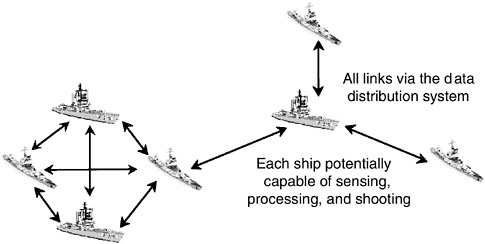
FIGURE 3.1 Cooperative engagement capability.
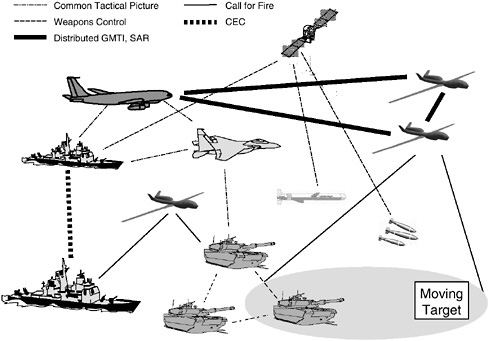
FIGURE 3.2 Potential future system for hitting moving ground targets.
An example drawn on throughout this chapter is the potential system, illustrated in Figure 3.2, that is intended to affect events ashore decisively. The fleet, standing offshore, protects itself via a CEC shield while projecting power ashore via the Marines, aircraft, and ship-based missiles. A number of unmanned aerial vehicles (UAVs) and a JSTARS aircraft provide continuous ground moving-target indicator (GMTI) coverage synthesized from all the distributed sensors as a single view, together with large volumes of synthetic aperture radar (SAR) imagery used for identifying tracks and responding to the moment’s targeting needs. Theater and National signal intelligence (SIGINT) and image intelligence (IMINT) collectors provide data for context, cueing, and classification or identification. All forces (sea, air, land) contribute their geolocations and identity to a common tactical picture (CTP), which is augmented with information about enemy forces and neutral parties in the battlespace, derived in part from the real-time GMTI and SAR information. This CTP is distributed to all friendly forces to allow shared situational awareness.
Because, as both these examples suggest, naval planning and equipping are much more advanced for air defense than for land attack, the committee focuses below on discussing network-centric operations in the context of land attack.
3.1.3 Opportunities, Dangers, and Challenges—Need for a Total System Approach
Network-centric operations are more than just a good idea; they have already begun at the tactical level, and most observers deem further tactical use to be inevitable. The greatly extended range of current and planned weapons has already led to a tight, time-critical coupling between sensors, shooters, and the weapons themselves. Widespread use of the Global Positioning System (GPS) has already given rise to a battlespace in which all friendly elements are precisely geolocated in a real-time “map” that is shared among collaborating participants. There is every indication that such trends will continue and indeed accelerate in the Navy and other Services, even if no explicit action is taken to further this goal at the departmental level. The Department of the Navy’s greatest challenge is that these efforts are currently diffuse and uncoordinated. A wide variety of tactical components are evolving independently toward participation in NCO. There are two principal dangers in the current state of affairs:
-
Incoherent components. There will result a new set of “stovepiped” components that are optimized locally but do not properly internetwork, and an overall set of tactical capabilities that fails to match the Navy’s needs. Such an outcome can be rectified, of course, but at the cost of time and money.
-
Dangerous new vulnerabilities. Modern information networks can be interconnected fairly easily; without proper systems oversight, they may very well be connected in ways that lead to new, unforeseen, and dangerous vulnerabilities.
The need for planning of an entire integrated system is a recurrent theme in this chapter.2
3.1.4 Complexity of the Challenge
Enabling NCO requires the integration of existing components into a coherent system, and progress toward NCO will surely involve some evolutionary improvements that integrate legacy components planned and built independently. The committee believes, however, that the full power of NCO will be realized only if the sensors, weapons, and tactical information processing networked for NCO are planned and developed as coherent subsystems.
Building on the notional example of future power projection operations shown in Figure 3.2, one thread in this chapter’s discussion is the complexity of
|
2 |
Chapter 5 discusses controlling vulnerabilities in a common command and information infrastructure (the NCII), but some of the components discussed in this chapter have vulnerabilities of their own. |
the interactions among these system components and the associated tight time lines. In the Figure 3.2 scenario, when the Marines encounter a moving enemy force, they issue a call for fire. This urgent request for aid leads to a high-priority revision of the current weapon-target pairing—a weapon in flight is diverted from its original target to a newly urgent target. More specifically, an already in-flight joint standoff weapon (JSOW) is issued GPS coordinates for the new target; these GPS coordinates are refreshed every few seconds (via a satellite link) to guide the weapon to the moving target, which is then destroyed.
This conceptual thread, which is easy enough to describe in general, poses enormous technical challenges for the various tactical subsystems and their linkages. For instance, how is the new target reconciled with the geolocated tracks provided by the UAV’s GMTI system? How is this new information incorporated into the CTP? How does the call for fire interact with the weapon-targeting subsystem and give rise to a new weapon-target pairing? How is the enemy’s ever-changing location continuously extracted from real-time GMTI information and relayed through a satellite to an in-flight weapon? And, most critically, how does all this happen within a few seconds?
In considering such questions, the committee found challenges in weapons, sensors and navigation,3 and tactical information processing components of the NCO system on which it focused. Examples of these challenges are listed in Table 3.1.
In the committee’s notional land-attack example, these platforms interoperate through a large number of linked components. Each component is complex in itself and involves processes and information flows that are distributed across a number of platforms. Table 3.2 indicates some of the capabilities required for success in this example and should give an idea of the complexity of the components.
3.1.5 Organization of This Chapter
The following sections explore some of the challenges to realizing the capabilities required in the four classes of components shown in Table 3.1. The discussions are condensed; fuller versions are found in referenced appendixes. In addition, the committee discusses the importance of system engineering and reiterates the need for a system of coherent components as basic to effective network-centric operations. The chapter ends with a review of the committee’s findings and offers recommendations based on these findings.
TABLE 3.1 Examples of Leading Challenges in Developing Components of an Effective Network-Centric Operations System
|
Asset |
Challenge |
|
Weapons |
Responsive, long-range, sustainable, affordable volume of fire for naval fire support; targeting for Global Positioning System-guided weapons |
|
Sensors |
Susceptibility to countermeasures; detection underground and under foliage; georegistration; target recognition |
|
Navigation |
Vulnerability of the Global Positioning System |
|
Tactical information processing (decision making) |
Extracting targeting-quality information from high-volume, multiplatform, multisensor data; coordinated, distributed weapon selection and support; flexible, adaptive software architectures; interoperable littoral operations |
TABLE 3.2 Capabilities Involved in the Land-attack Example
|
Function |
Capability |
|
Common tactical picture |
Provides shared situational awareness to all participants in the battlespace—Where am I? Where are my friends? Where is the enemy? This picture as a whole contains all objects in the battlespace, geolocated and annotated with other known information about the objects. Each participant, however, sees only those portions relevant to that observer’s task. |
|
Weapons control |
Provides a prioritized list of targets, weapon-target pairing, authority to fire a weapon at a target, current target information, and means to update target locations for weapons in flight. |
|
Distributed ground movingtarget indicator (GMTI), synthetic aperture radar |
Provides a more continuous, more extensive picture of the battlespace than can be obtained by isolated sensors. Linked unmanned aerial vehicles and a JSTARS could all contribute to a shared, real-time database for GMTI coverage; such a distributed system allows more continuous views in mountainous terrain and the like. |
|
Call for fire |
Provides a mechanism for time-critical requests from Marines or other land troops for weapons to be directed on enemy forces. |
|
Cooperative engagement capability |
Provides a highly effective defensive shield for forces afloat by tightly linking the radars and air defense missiles of multiple ships into one real-time system. |
3.2 WEAPONS
This section presents as illustrative examples the use of weapons in three operations for which better connectivity and better use of networks to fuse sensor information seem desirable. Appendix D presents a broader view of current and near-term naval weapons and launch platforms, their uses, and targets and addresses the command and information support needed to employ them effectively.
3.2.1 Naval Fire Support: Targeting and Weapon Control
The Navy currently has little capability to provide prompt, long-range, surface-launched fire support for Marines or Army forces ashore but has a number of initiatives under way to develop longer-range naval fire support (NFS) weapons. The Navy is developing the extended-range guided missile (ERGM) by adding rocket power and combined inertial navigation and GPS guidance to a submunitions-dispensing artillery shell. ERGM will enable accurate fire to a range of 63 nautical miles. In a remanufacturing program, the Navy is adding GPS to convert existing, obsolete standard missiles (built originally for air defense) into the land-attack standard missile (LASM). LASM will enable accurate fire to ranges of over 100 nautical miles. ERGM and LASM will be retrofitted to Aegis ships and are projected to be used on the DD-21. The Navy is also beginning system studies for an advanced gun system that might be a 155-mm weapon and for an advanced land-attack missile (ALAM) intended for use on the DD-21.
ERGM’s GPS receiver will have minimal protection against jamming during its range-dependent, 3- to 6-minute time of flight (TOF). The guidance component and the aerodynamic control authority of the weapon do not seem to support the accuracy of delivery that would be required for it to make effective use of a unitary warhead. Although foreseeable propellant upgrades may permit range extensions of this weapon to about 90 nautical miles, greater ranges will require a larger-diameter round. The weapon as currently designed will not support forces that are engaged in combat at ranges (~200 nautical miles) to which they can be delivered by the V-22 tilt wing aircraft.
The targeting concept for ERGM appears to be both ill-defined and inadequate. The targeting concept is that a forward observer or a sensor in an elevated platform will identify the GPS coordinates of the aim point. The data link that will be used by the forward observer has not been identified.
If the target moves during the weapon’s extended TOF, there will be no means of correcting the weapon’s trajectory. Even if a forward observer can call in corrected target coordinates, the weapon will not arrive at those coordinates for several minutes. Although the launcher is capable of rates of fire up to about
six rounds per minute, high rates of fire may not be realized because of the time required for the targeting and aim-point correction processes.
To match the operational concepts that the Marine Corps is attempting to develop, NFS weapons will be driven inexorably to longer ranges. Inevitably, the problem of targeting rapid-fire, surface-launched weapons designed to attack targets at ranges beyond the line of sight will become more difficult. The solution will depend on development of closed-loop control to link a forward observer (or sensor) with the weapon and the launch platform.
The committee suggests that a robust targeting concept is needed to support the evolution of near-term and future NFS weapons. The concept should identify a doctrine for use of such weapons along with the links, sensors, and data fusion networks required for their employment in network-centric operations.
3.2.2 Air-to-Air Combat: Long-range Target Identification
In the area of air-to-air combat the United States has competent air surveillance radars on both the E-2C (airborne warning and control aircraft) and the Airborne Warning and Control System (AWACS), well-trained pilots, good tactical doctrine, high-performance aircraft, and good weapons (AIM-9X and AIM-120C). Evolutionary growth in aircraft performance, weapons range and agility, and airborne sensors is both feasible and programmed.
The problem of target identification (whether by cooperative or noncooperative means) has, for rules of engagement reasons, driven air-to-air engagements to ranges that are significantly shorter than the full kinematic range of available weapons. Although the AIM-9X is a world-class weapon, the outcome of a short-range air-to-air engagement depends on factors other than weapon performance. If the problem of identifying the target at long range can be solved, it will be desirable to engage the adversary at the longest feasible range even though the short-range weapons may be superior to those of potential adversaries.
In principle, the identification of targets at long range can be achieved by the fusion of data derived from theater and National sensors and from databases of commercial aircraft flight plans. These sensors and databases can be used to track hostile aircraft from takeoff. SIGINT may be used to deduce the mission objectives of hostile aircraft. If all available information can be fused together, the constraints imposed by restricted rules of engagement can be relaxed and engagement can be permitted at the maximum kinematic range of available weapons.
The committee believes that the expanded use of tactical networks to provide all available information to AWACS or the E-2C, and to the combat aircraft that they support, will enable air-to-air engagements to take place at the full kinematic range of current and future weapons. The advantages of future infor-
mation networks that fuse all source data should be exploited to ensure the best possible outcome of future air-to-air engagements.
3.2.3 Attacking Low-signature Targets
Low radar cross section (RCS) targets, or targets that employ low and clutter-limited trajectories, are difficult to engage with existing or projected area-defense antiair warfare (AAW) weapons. Similarly, quiet submarines with reduced radiated acoustic signatures or submarines coated to reduce their effective acoustic (sonar) cross section (ACS) have become progressively more difficult to detect. Hostile submarines that are difficult to detect, classify, and localize are difficult to engage with even the best underwater weapons.
There is no simple counter to reduced-signature targets. In a general sense, the only way they can be detected is to exploit the fact that a target presenting a low RCS or ACS to a monostatic radar or sonar is likely to have large forward or specular scatter peaks. Also, a target that is buried in clutter when viewed from one aspect may not be obscured when viewed from another aspect. Thus a straightforward way to negate stealth technology is to illuminate a suspected target area with multiple illuminators and to use multiple independent sensors to detect forward and near-forward scatter peaks and specular glints. If the output of multiple sensors can be fused together, the probability of detecting low RCS and ACS targets will increase, along with the probability of successfully engaging them with current and projected AAW and antisubmarine warfare (ASW) weapons, in a network-centric operation.
3.2.4 Findings
Finding: Although new weapons are being developed for land attack, the range of surface-launched, short-time-of-flight weapons is currently too limited to support ship-to-objective maneuver at reasonable stand-off distances. Better targeting concepts are needed. (See Section 3.2.1.)
Finding: Target identification limitations inhibit the use of air-to-air weapons at their full kinematic range. (See Section 3.2.2.)
Finding: Weapons that attack low-signature targets will likely depend on guidance from networks of sensors and illuminators. (See Section 3.2.3.)
3.3 SENSORS
Effective network-centric operations require a wide variety of sensors ranging from distant sensors located in sanctuary that can provide precise target locations, to weapons sensors that can autonomously recognize targets. Current
sensor capabilities and future growth possibilities are treated in detail in Appendix B. Here the committee summarizes general sensor technology trends, fundamental performance limitations, and prospects for both target detection and recognition.
3.3.1 Sensor Technology Trends and Limitations
Sensor capabilities are steadily improving through the use of modern electronic technology and the transition to all-digital and all-solid-state solutions. Distributed implementations are increasingly emphasized—both within individual sensors (e.g., radar phased arrays or optical focal plane arrays) and in the form of meta-sensors (e.g., multiple individual sensors operating cooperatively as a larger single equivalent sensor, as in CEC). Multidimensional signatures are collected to assist in classification and detection. Summarized in Table 3.3, these four trends in sensor technology are having an enormous impact on sensor capabilities.
These positive trends do not imply, however, that any sensor task or level of performance can be achieved. There are always engineering compromises to be made—trading performance for such practical aspects as cost, size, and weight—and the best possible performance is not always acquired.
Even when money and time are available, some sensing tasks are inhibited by the basic physical limitations listed in Table 3.4. Sensors are also susceptible to camouflage and deception, and to electronic countermeasures. All three sensor classes considered here—radar, electro-optics, and sonar—depend on the propagation of waves through various media and the interaction of these waves with material objects. Herein lie most of the basic physical obstacles.
For example, electromagnetic waves move at the speed of light, while sonar signals in the ocean move at about 1500 m/s. Sonar data inevitably take a much longer time to collect as compared with data from radar and optical sensors operating at similar distances.
The fundamental relationship between the angular spread or beam width of waves emitted by an electromagnetic or acoustic structure is that the beam width is of the order of the wavelength divided by the antenna diameter. Given the frequency band of the sensor, high angular resolution, which translates into small pixels on the target or background, requires a correspondingly large aperture. Optics, with the shortest wavelengths, can achieve very high angular image resolution (mrad to µrad) with millimeter- to centimeter-sized apertures; radar is characterized by much lower resolution (~ 1°), with antennas measured in meters; and sonar, by even less (~3° to 10°), with antenna sizes of meters to tens of meters.
Although it limits atmospheric propagation of radar and electro-optics to selected transmission wavelength “windows,” media absorption is particularly troublesome for sonar because the absorption increases more or less quadrati-
TABLE 3.3 Trends in Sensor Technology
|
Trends |
Implications |
|
Digital technology |
Stable, drift-free operation Compact, low-cost implementations Algorithm flexibility Increasing ability to exploit exponential growth of computing capabilities |
|
Solid-state devices |
High performance, e.g., sensitivity, power, and efficiency Miniaturization and low power requirements Low-cost integrated circuitry Compact integral packaging Novel microelectromechanical systems devices |
|
Distributed components |
Phased arrays for radar, electro-optics, and sonar Multiple sensor cooperation and networking, e.g., cooperative engagement capability Data fusion of multiple and diverse sensors for automatic target recognition (ATR) and geolocation Mobile sensors, e.g., unmanned aerial vehicles, unmanned underwater vehicles, and ground robots |
|
Multidimensional signatures |
Multispectral Hyperspectral Enhanced ATR and noncooperative target recognition |
TABLE 3.4 Physics-based Limitations on Sensor Performance
|
Sensor Class |
Fundamental Obstacles |
|
Radar |
Poor angular resolution with typical wavelengths and practical antenna sizes Absorption by and reflection from solid materials Frequency dilemma in foliage and ground penetration: low frequencies give poor resolution; high frequencies do not penetrate |
|
Electro-optics |
Serious weather scatter and absorption—electro-optic sensors require fair weather Resolution vs. coverage area dilemma Dimensional limits on electronic scan |
|
Sonar |
Slow, nonuniform oceanic sound propagation Interference from littoral noise and reflection Rapid increase of absorption with frequency Low frequencies imply need for very large antennas |
cally with sound frequency. Only very low frequencies go long distances; given that achieving good angular resolution from practical antenna dimensions requires high frequencies, sonar imaging is thus limited by the physics to quite short ranges.
Attempts to use microwaves to penetrate solid objects (e.g., foliage, walls, the ground) suffer from the same conflict between penetration depth and resolution—low frequencies penetrate; high frequencies do not. Modern foliage penetration radars attempt to resolve this contradiction by combining ultrahigh frequencies (UHFs) that penetrate well with SAR techniques that do not require antennas with very large physical apertures.
Media scatter offers another persistent limit to the performance of radar and electro-optical (EO) sensors. The scattering from small particles (e.g., rain, fog, and dust) increases strongly with frequency such that most radars are little troubled by weather, but optical sensors fail in adverse weather and have limited atmospheric range even in good weather.
Sonar suffers much more severe media problems than do electromagnetic sensors because of the extreme inhomogeneity of the ocean and its effect on propagation. Unknown local variations in temperature and salinity deflect the acoustic beams into strongly curved unpredictable paths, and multiple nonuniform reflecting surfaces produce multiple confusing echoes. In addition, the ocean is full of natural and man-made acoustic noise sources, which seriously interfere with the detection and recognition of threats.
In addition, radar, EO, and sonar sensors are susceptible to deception techniques, such as the use of camouflage, decoys, or simply hiding, because these sensors collect reflections or emissions from objects. With the application of enough sophistication, the target may be so changed in appearance as to be undetectable or unrecognizable, whatever the capabilities of a given sensor. Technology alone may not be enough to solve this problem, but better sensor capability and the use of multiple sensing techniques will certainly increase the size of the investment the opponent must employ to be successful.
Finally, because only a very small amount of the radiation reflected or naturally emitted by the target typically reaches the remote sensor, the sensors are designed for high sensitivity and are therefore vulnerable to deliberately introduced radiation or jamming, which can saturate or even physically damage internal detectors. A trade-off of numbers, sensitivity, and distribution of sensors should be provided in a networked system.
3.3.2 Current Naval Organic and Joint Sensors
Today on its weapons’ platforms the Navy employs many different local organic sensors—radar, EO, sonar, and electronic warfare (EW), as well as GPS and perhaps environmental and chemical and/or biological sensors (Appendix B lists representative naval organic and joint and National radar and EO sensors
currently or soon to be available in the battlespace). Typically only a few of the many platforms get outfitted with any given version of a weapon or sensor, because when the next round is funded, the technology has changed such that better options are available. The newer ships get newer versions and combinations, while the previous generations of sensors remain in service. A recent exercise by the Office of the Chief of Naval Operations’ (OPNAV’s) Surface Warfare Division (N86) indicates that 22 different radars are currently deployed throughout the Navy, with plans to add 3 or 4 new, higher-performance radars over the next decade. The resulting eclectic collection of weapon and sensor components, which vary from ship class to class and sometimes from platform to platform, is mirrored in the variety of complex and somewhat personalized arrays of radio frequency (RF) antennas that top every Navy ship.
Up to now, many traditional Navy weapon-sensor suites have been designed primarily for platform self-defense in the open ocean or for attacking an air or ground target detected by sensors on the firing platform. The Navy boasts a large number of effective ship self-defense suites against attacks by aircraft, missiles, surface ships, submarines, and the like, but the location of primary sensors and associated weapons on the same platform often forecloses the possibility of attack beyond the horizon.
Below the surface of the water, there are a variety of both active and passive acoustic sonars capable of detecting submarines and other ships, frequently at considerable distance but with limited ability to localize the targets because of the uncertain nature of sound propagation in the ocean. Unfortunately none of these acoustic sensors perform well in the critical littoral environments that characterize one of the Navy’s primary interfaces with the land for force projection.
3.3.3 Using Sensors in Network-Centric Operations
3.3.3.1 Targeting Ground-Attack Weapons
The current vision of decisively influencing events ashore includes a strong emphasis on force projection onto the land and to the purchase of the many land-attack, largely GPS-guided, long-range weapons. However, most of the high-performance radar and EO sensors deployed today throughout the surface Navy provide little or no capability to detect and localize targets on the land, even at short distances inland. Striking land targets at the long ranges permitted by modern missiles is a primary objective, but weapons’ ranges exceed the horizon of surface-based sensors.
Airborne, mobile, and/or long-range sensors must identify and precisely locate targets of interest and must communicate this information to the shooters on the weapons’ platforms. To implement its future vision, the Navy must have access to capable sensors, including not only its own organic sensors, but also
joint and National sensors. A rational design for an NCO system would utilize all three of these resources—naval organic, joint, and National.
Several joint and National airborne and spaceborne sensors (e.g., JSTARS, Global Hawk, and U-2), expected to be present in the battlespace, can provide great capability in SAR ground imaging and the GMTI detection, location, and classification of slow-moving vehicles. Space-based equivalents, for example, Discover II, are being considered for acquisition.
Although these joint and National sensors could play an essential role in completing an effective system for power projection from ships using the Navy’s precision GPS-guided long-range weapons, some in the Navy fear that they cannot rely on sensors they do not control and are reluctant to include them in the design of a power projection system. The Navy does not now possess any organic airborne sensors capable of providing targets for naval GPS-guided land-attack weapons, and although initiatives to provide this capability—for example, SAR options for a vertical-takeoff UAV platform to be developed—are commendable, the Navy can greatly improve its capability by investing in connectivity to the joint and National sensors.
3.3.3.2 Sensor Synergy
In spite of the current limited availability of appropriate land-targeting sensors, the Navy still possesses a large inventory of deployed, highly capable sensors, which have been persistently underutilized. Cooperating sensors can produce results that are much more than the sum of the individual capabilities. For example, in a single observation a radar can locate a target with great precision in range, but with an angular uncertainty that can be orders of magnitude larger due to the width of the transmitted beam. The resulting uncertainty about target location resembles a long, narrow ellipse, transverse to the target line of sight. However, as illustrated in Figure 3.3, if a second radar at a different spatial location observes the same target at about the same time from a very different angle, the two regions of uncertainty intersect in a rather small overlap region; if both observations can be combined, the two-radar target location is immediately refined in all directions to dimensions on the order of the range resolution. Neither radar alone could provide the same overall location accuracy.
Similar benefits are gained by fusing data to combine near-simultaneous observations from different classes of sensors that measure different physical characteristics of a scene. There are also benefits in using similar sensors in different physical locations where, for example, some sensors suffer from terrain masking or low monostatic cross section and others do not. Historically, however, naval organic self-defense sensors have been optimized for a particular weapon or suite of weapons on a single platform. This stovepiping has long
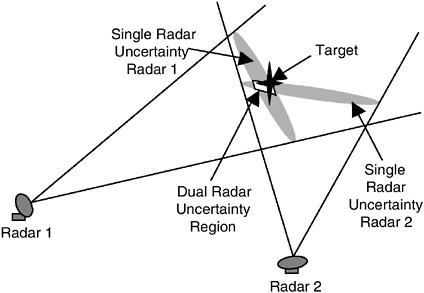
FIGURE 3.3 Multiple sensor cooperation can increase the precision with which a target is located.
characterized Navy practice, from system concept through acquisition, and has led to the current profusion of parallel, relatively independent capabilities.
Partly through organizational resistance (reluctance to rely on offboard data) and partly through technical difficulty, it is only recently that the benefits of cooperative, multiplatform sensor coordination have been strikingly demonstrated through the CEC. By means of a sophisticated, point-to-point, high-bandwidth, phased-array communication capability, CEC provides to each Aegis platform in the battle group the dwell-by-dwell detections observed by every other operating air-search radar in the group (see Figure 3.1). On each platform, all the observations from all the radars are combined into a single radar picture. The resulting view of the battlespace includes highly precise locations of objects that are simultaneously in the radar field of view of several platforms, as well as information on objects that are beyond the range of the particular platform’s radar but within that of others in the group—a synergistic effect well beyond the sum of individual capabilities. Through CEC, all the Aegis radars in the fleet act together as a single, very large distributed meta-radar.
On the other hand, it has been common practice throughout the Navy to operate a subset of complementary sensors cooperatively on a single platform through a weapons control center where the information is fused and the appropriate weapon selected, targeted, and launched. For example, the Aegis system uses a long-range search radar (e.g., SPS-49) and perhaps a shorter-range surface search and navigation radar (e.g., SPS-55) for initial target detection and
tracking, the SPY-1 four-faced phased array radar for precision tracking and the generation of command guidance information, and several simple continuous wave RF illuminators (e.g., SPG-62) that are aimed by the SPY-1 and provide the terminal-phase RF illumination of the target needed by the semiactive seeker of the standard missile. There are a number of integrated weapons control suites in the fleet, with different combinations of weapons and sensors.
Cooperative engagement on a single platform has been a long-standing practice in the Navy; the challenge now is to extend cooperation over many locations. CEC does this for air defense, and NCO should be extended to other missions as well. Achieving sensor synergy requires that sensors are suitably designed—for example, reporting confidence data to aid the fusion process.
3.3.3.3 Sensor-Shooter-Weapons Teams
The concept of NCO is far broader than CEC, which represents only one particular implementation of a system of sensors and weapons. NCO involve a multiplicity of individual taskable sensors of different kinds distributed throughout the battlespace and interconnected to fusion nodes, decision makers, and weapons via the NCII. Some sensors will provide surveillance contributing to general situational awareness, while others will be tasked opportunistically to form temporary, tightly coupled sensor-shooter-weapons teams involving dispersed sensors and shooters.
In this cooperative environment, it is envisioned that networked platform sensors will flexibly share and fuse data across sites to create the desired synergistic effects, while supplying data to and responding to requests from remote or co-located decision makers and weapons as needed. Additional mobile sensors, available for temporary arrangements, will no doubt become more prevalent in the future. They will permit adaptive situation awareness sensing to provide additional information or to compensate for deficiencies in other sensors’ field of view or for limitations arising from environmental obscuration.
It will be tempting to create temporary sensor-shooter-weapons teams that will act in a tightly coupled manner to accomplish some immediate tactical goal and then to disband them and assign the sensors to other functions or teams as needed. However, providing the flexible, guaranteed, close-coupled communications required by an effective sensor-shooter-weapons team is an important challenge discussed in some detail in Appendix E.
3.3.3.4 Sensor and Target Geolocation
Tacit in this discussion is the requirement for highly accurate determination of the geoposition of each sensor and the local sensor-to-target orientation, so that a consistent overall map of the battlespace—the common operational pic-
ture (COP)—can be guaranteed.4 Here, as in the guidance systems of most U.S. long-range, land-attack precision weapons, accurate, high-precision GPS geoposition measurement capabilities are generally assumed. Since GPS capabilities can be negated by simple techniques, it is important either to defend GPS or to find an alternative method of position location. This matter is so crucial that the committee discusses it in detail in Section 3.4.1.
3.3.3.5 Imaging Sensors and Automatic Extraction of Information
Whether radar, EO, or sonar, most battlefield sensors used for generating situation awareness and targeting information produce images. Some sensors, such as visible or infrared (IR) optical cameras or microwave SARs, often report something for every pixel, placing a heavy bandwidth or transmission time burden on the communication component used to interconnect this sensor into the system. Other sensors heavily process the raw data and report information only about candidate targets, greatly reducing the communication bandwidth required. Preprocessing reduces requirements on external communications. Given the current relentless exponential growth of computational capabilities, this can be an effective trade-off—if appropriate algorithms can be devised for automatic information extraction. However, constructing algorithms that can approximate human abilities to recognize poor-quality, partially obscured images has proved to be difficult.
Automatic target recognition (ATR), often sought in imaging applications for target detection, classification, and aim-point selection as well as for terminal weapon guidance, is a familiar example of automatic information extraction. The contribution of ATR in attacking moving targets is discussed in Section 3.6.1, and its role as a hedge against GPS jamming is discussed in Section 3.3.4. Without ATR, the large amount of data produced by sensors can overload communications channels and human analysts. Image compression can help overcome only the communications overload. Evolving in small steps over the years, ATR has proved effective in many applications, although powerful general solutions continue to be elusive.
Template matching may be the most direct technique if target dimensions and geometry are precisely known—knowledge that could be derived from SAR and three-dimensional imaging ladar—but an enormous number of possible templates must be scanned when dealing with images characterized by variable illumination and unknown target size and orientation. Extraction of features can sometimes simplify this process. Model-based vision techniques can extend feature- and template-based techniques by providing robustness to variations in target configuration and sensing conditions.
The state of the art in ATR employing SAR imagery is represented by the ongoing Defense Advanced Research Projects Agency (DARPA) Moving and Stationary Target Acquisition and Recognition (MSTAR) program. The MSTAR program takes a model-based vision (MBV) approach to ATR based on high-resolution SAR imagery. In this approach, targets are detected and initial classification and hypotheses are developed using a conventional template-based ATR approach (the MSTAR “front end”). MBV techniques are then used to reason about target component articulation, obscuration, and other real-world effects that cannot be handled using template-based approaches.
Comparing the results of raw, single-look ATR performance as indicated by the operating characteristic for the MSTAR Version 7.1 (March 1999) and the MSTAR Version 6.2 (September 1998) shows rapidly improving performance (Figure 3.4). The results do not reflect use of techniques such as object level change detection and target context analysis, which can further significantly reduce the false-alarm rate. The crucial importance of the false-alarm rate is demonstrated in Section 3.5 and in Appendix C.
Table 3.5 presents the single-look classification performance of the MSTAR software and several other ATR components. The target set includes a number of similar targets (e.g., XM-1 and M60 tanks). The current baseline is template based. Note that in the laboratory it performs very similarly to the MSTAR front end, which is also template based. The full MSTAR, including the MBV back
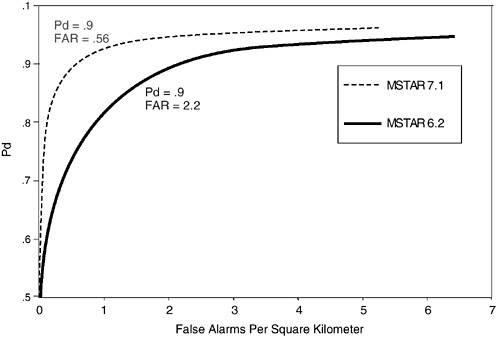
FIGURE 3.4 MSTAR operating characteristic.
TABLE 3.5 Probability of Correct Identification by Various Automatic Target Recognition (ATR) Components
|
Targets in Scene |
ATR Component |
Probability |
|
Few |
Best laboratory prototype |
0.94 |
|
18 |
Full MSTAR, 1999 |
0.87 |
|
15 |
Full MSTAR, 1997 |
0.78 |
|
18 |
MSTAR front end |
0.68 |
|
20 |
Baseline ATR (in laboratory) |
0.64 |
|
20 |
Baseline ATR (in field) |
0.35 |
end, achieves very high levels of recognition, currently approaching 90 percent on an 18-class problem. For comparison, the performance of a laboratory prototype in classifying a limited data set is shown; this level of performance (about 94 percent) is a practical upper bound on MSTAR performance. Also shown is the field test performance of the current baseline. The relatively poor field test results are due in part to variations in target configuration, target component articulation, and imaging geometry. MSTAR is designed to reason about these variations with the goal of achieving performance in the field similar to that achieved in the laboratory.
As promising as the new algorithms are, none yet approach the information-extraction abilities of humans. ATR is a well-defined challenge in that the objects being sought and their characteristics are well known in advance. Detecting “anything unusual” in a surveillance scene, without knowing just what to expect, can be a much greater challenge and probably requires algorithms incorporating completely new insights and concepts—a topic for future research.
As the inevitable data and communication overloads materialize with the proliferation of even more sensors viewing the battlespace, mastery of automatic information-extraction techniques must be diligently pursued. Investment in concepts and algorithm development is relatively inexpensive, but the payoff can be very large.
3.3.4 Findings
Finding: Sensor capabilities are improving through exploitation of digital and solid-state technology. (See Section 3.3.1.)
Finding: Adversaries can exploit fundamental physical laws and make detection by sensors difficult in certain situations. (See Section 3.3.1.)
Finding: Deployed Navy sensors span a ranges of types, but most were designed for platform defense, are stovepiped, and exhibit a mix of old and new technologies due to the budget-limited practice of incremental upgrades over a long period. (See Section 3.3.2.)
Finding: The Navy has no organic sensors capable of guiding its precision, long-range weapons to ground targets. Emerging doctrine assumes access to joint or National resources in the battlespace, but the Navy is only beginning to invest in such connectivity. (See Section 3.3.3.1.)
Finding: Multisensor cooperation offers significant performance advantages. (See Section 3.3.3.2.)
Finding: Temporary sensor-shooter-weapons teams are natural in network-centric operations but offer flexibility and quality-of-service challenges for the communication infrastructure. (See Section 3.3.3.3.)
Finding: Geolocation in the same absolute or relative coordinate system of the sensors and targets in the battlespace is mandatory. Use of the Global Positioning System is often assumed to be the sole technique employed but may not always be available. (See Section 3.3.3.4.)
Finding: Automatic target recognition avoids overload of communications and of image analysts, may be necessary for remote attack of moving targets, and provides a hedge against GPS jamming. Model-based vision may overcome the limitations of template matching. However, more general capabilities for automatic information extraction continue to be elusive and must remain the subjects of continuing research and development (R&D). (See Section 3.3.3.5.)
3.4 NAVIGATION
In this section the committee compares means for the navigation of weapons to a remotely selected target, considering dispersed assets that require a coordinate method of designating locations. It does not consider here simple closed-loop systems such as fire control and guidance radars in which the target and the weapon are visible from the same sensor on the launch platform. Table 3.6 identifies some options for navigation.
3.4.1 Evolution to GPS Guidance
In the past, precision land-attack weapons were directed precisely to a target either by closed-loop guidance from a platform that fired and controlled the weapon while it saw the target, or by locating absolute target coordinates and
TABLE 3.6 Options for Navigation of Weapons
|
Technique |
Strengths |
Limitations |
Examplesa |
|
Use of inertial measurement units |
Small, light |
Very expensive for low drift rates |
|
|
Multilateration |
High potential accuracy |
Need for multiple references |
GPS, CEC, JTIDS, LORAN |
|
Automatic target and landmark recognition |
Independence from absolute coordinates |
Expense, time to build templates |
TERCOM, DSMAC |
|
Satellite Doppler |
Simple receiver |
Intermittent availability |
TRANSIT |
|
Range and bearing |
Simple apparatus |
Horizon limitation, limited accuracy |
VOR/TAC |
|
aGPS, Global Positioning System; CEC, cooperative engagement capability; JTIDS, Joint Tactical Information Distribution System; LORAN, long-range navigation; TERCOM, terrain-contour matching; DSMAC, digital scene matching area correlation; TRANSIT, Navy Satellite Navigation System; VOR/TAC, very high frequency omni-range/tactical air control. |
|||
using inertial measurement units (IMUs) to guide the weapon to those coordinates.
IMUs measure accelerations to deduce position relative to the beginning of the measurement period, usually the time of weapon launch. If the position is precisely known at this time, then an IMU can provide an estimate of absolute position and velocity throughout a weapon’s flight.
Many weapons navigate primarily by using IMUs. However, the cost and complexity of IMUs capable of navigating long distances with low error are daunting. Intercontinental ballistic missiles used very expensive IMUs, despite the fact that the destructive range of their thermonuclear warheads reduced the requirement for accuracy of delivery. Area ammunition can be used to overcome navigational imprecision, but the focus here is on precision weapons that reduce collateral damage.
The major source of error in an IMU is a displacement of the computed from the actual track that accumulates during the flight through the integration of errors of acceleration measurement. This error is cumulative; for the same IMU, longer flights lead to larger position errors. Today, although integrated optics promises lower-cost precision IMUs in the future, most practical systems use some other method of geolocation to update their IMUs in flight and negate the IMU error accumulated up to that point.
Prior to the availability of GPS, IMUs in cruise missiles were updated by terrain following and scene matching. Both techniques require time-consuming preparation of reference scenes and relatively expensive sensors. Now, the
preferred method for attacking precisely located targets from over the horizon is GPS guidance updating a relatively low-cost IMU.
3.4.2 Robust Navigation for Precision Attack
Except for one fact, GPS would be in universal use to update low- and moderate-cost IMUs in precision weapons. However, the unfortunate fact is that jamming the GPS signal is not difficult. The signal is transmitted with powers of tens of watts from distances of thousands of miles; jammers are likely to be of higher power and much closer. In the basic civilian GPS mode, a jammer with a few hundred watts of power is effective to its horizon, and a jammer of only a few watts of power can jam GPS at significant ranges. The frequencies that GPS uses are comparable to those in a microwave oven. Oven power sources of hundreds of watts are manufactured for $25 or less.
There are four principal strategies for dealing with this threat:
-
Strengthening the resistance to jamming of a platform or weapon using GPS-aided navigation,
-
Attacking GPS jammers,
-
Substituting other reference sources for the GPS satellites, and
-
Abandoning entirely the use of GPS-like multilateration.
These four strategies are discussed below.
3.4.2.1 Strengthening Resistance to Jamming
The Joint Requirements Oversight Council is considering an operational requirements document (ORD) to make GPS more robust in the face of jamming. At the time of this writing the committee knew neither the contents nor the probable fate of that ORD, so it examined jam resistance from physics and engineering standpoints.
Table 3.7 compares various methods of increasing the resistance of GPS-guided weapons and platforms to GPS jamming. It distinguishes between en route jamming, which may involve a few high-power jammers, and target-area jamming, which may involve larger numbers of low-power jammers.
If a weapon’s GPS receiver is not jammed over its entire flight, it is possible that an IMU alone could guide it through the jamming to the target. Against short-range point-defense jammers this is feasible.5 However, IMUs capable of
TABLE 3.7 Means of Increasing the Resistance of Global Positioning System-guided Weapons to Jamming
|
|
Antijam Feasibility and Performance |
|
|
|
Means |
En Route Jamming |
Target-area Jamming |
Issues |
|
Inertial measurement unit |
May be too expensive |
Feasible at short ranges |
Cost vs. accuracy |
|
Automatic target recognition and automatic landmark recognition |
Low productivity |
Unproved |
Reliability, field of view |
|
Signal processing |
Limited |
Limited |
Spectrum, compatibility |
|
Spatial processing |
Good |
Probably good |
Number of jammers |
precision navigation over the scores (or even hundreds) of miles of effective en route GPS jamming may be too expensive to include in weapons.
Resistance to the effects of GPS jamming may possibly be increased by tightening the generally loose coupling between IMU and GPS outputs. Each has a separate Kalman or equivalent filter to estimate position and velocity from that subsystem’s data alone. These estimates are fed to a separate application that produces a combined estimate and feedback for the filters. It has been demonstrated that performance could be improved by unifying the filters so that the raw observations from both sources would be tracked together. This technique may reduce the accuracy requirement for IMUs and permit the use of more affordable ones. Even deeper integration that permits IMU data to optimize the signal processing within the GPS receiver in real time offers the possibility of substantial additional jam resistance.
Despite the low productivity of automatic landmark recognition (ALR) and the immaturity of most ATR, alternatives to ATR for hitting moving targets are hard to attain.
Signal processing alone cannot overcome serious GPS jamming but can contribute to jam resistance. The GPS signal occupies a spread spectrum, and the military-only codes are spread further by a cryptographically secure pseudo-random sequence. Receivers in these military modes have a substantial advantage over their civilian counterparts in resisting jamming. Although this advantage is not large enough to overcome serious GPS jamming—leading to the rating of “limited” in Table 3.7—it increases the power that the adversary must use to achieve jamming at a given range.
Once military receivers acquire the civilian code, they can synchronize to the military codes, which allow more precise measurements and which are unavailable to parties not possessing the proper cryptographic key. The secure codes also prevent spoofing of the GPS signal, that is, introducing deceptive signals that cause false readings at the receiver. In principle, the civilian code can be spoofed under some circumstances, although measurements of received power greater than that expected from the GPS satellites would be a good indication that spoofing was being attempted.
Most military GPS receivers first synchronize to the less robust civilian code before acquiring the military codes. This mode of operation assumes that initial synchronization takes place outside the view of the jammer. Dependence on this assumption can be avoided by providing a correlator that acquires the military codes directly. Such correlators are now within the state of the art but remove a vulnerability only in initial acquisition; they do not increase the jam resistance of the military codes. Alternatively, it may be possible for the launch platform to initialize the weapon so that it can acquire the military code promptly.
Raising the power in the GPS transmitters would help overcome jamming, but because generating power in space is expensive and because power increases that affect the basic spacecraft design would lead to high nonrecurring engineering costs, increases in power cannot alone overcome the jamming threat. Nevertheless, it may be economical to bear high costs in a few dozen satellites to avoid even moderate costs in tens of thousands of military GPS receivers. An intermediate strategy is to use a high-gain antenna to increase the effective radiated power seen in areas where jamming is expected, without greatly increasing the required power generation capabilities of the satellite.
It is possible that alternative or additional GPS waveforms would yield more spread-spectrum processing gain and easier direct synchronization from the present military signals. However, it would be difficult to obtain additional spectrum for purely military GPS; indeed, current frequency assignments are threatened. The plans of the Department of Defense (DOD) need to be harmonized with the civilian navigation community’s desire for an additional civil frequency.
Simply changing existing waveforms would make existing military GPS receivers obsolete. The GPS program office is investigating the possibility of adding new codes on a new dual-use frequency that would facilitate direct synchronization and improve processing gain, and therefore the jam resistance, of these new signals. Existing GPS receivers would continue to operate normally but would not take advantage of the new signal.
Spatial processing distinguishes real GPS signals from jamming signals by exploiting their different directions of arrival. Two techniques can be considered.
One technique is to take advantage of the fact that the true GPS transmitters will be above the horizon, while most jammers will be at or below the horizon.
An antenna that looks only above the horizon with very low side lobes mounted on a body that prevents leakage into the antenna of signals transmitted from below may, in some scenarios, suppress the jammers sufficiently so that signal processing can reject the jamming signals.
Another technique is to build an adaptive antenna array that analyzes all incoming signals within its field of view and that builds an antenna pattern that delivers to the receiver the same power from all sources by providing the lowest gain to the strongest signals. Once the true and the jamming signals are made comparable in power, signal processing can reject the jamming signals. This technique is sometimes called null steering.
The first technique is vulnerable to airborne jammers, while the second, null steering, is vulnerable to large numbers of low- or moderate-power jammers. Because of their long range, airborne jammers may be the more serious en route threat, while multiple low-power ground-based jammers may be found in the vicinity of high-value targets. Because only a limited number of signals can be equalized in power by the antenna array, a combination of the two techniques may be required in the vicinity of the target.
Although spatial processing is not inexpensive, in combination with existing signal processing it can often overcome plausible jamming threats. Recent news reports have appeared of European trials of spatial processing to protect airline GPS receivers from interference by high-power UHF television stations. If spatial processing gains wide use in the commercial sector, competition for a larger market could reduce prices. However, many weapons have little real estate on which to place highly directive arrays.
3.4.2.2 Attacking GPS Jammers
An often-discussed option is to attack GPS jammers, and a variant of the high-speed antiradiation missile (HARM) is being developed to provide this capability. The limitation of this approach is the poor cost-exchange ratio.
A HARM costs in the vicinity of $500,000; a moderate-power GPS jammer can be made for $100. Thus, the use of antiradiation weapons would be restricted to high-value targets, such as high-power jammers on aircraft, or to those jammers whose effects cannot be overcome by other means. Some have argued that a 10-kW jammer might be worth attacking, but spatial processing can be used against small numbers of jammers.
The challenging case is that of dozens of low- or medium-power jammers. The large number would overcome spatial processing, and their low individual cost would make them unappealing targets for HARMs.
It is the committee’s impression that although a few jammers might be attacked by HARMs, and although the existence of this weapon might demoralize crews that operate or maintain GPS jammers, antiradiation missiles cannot
be substituted for a proper mix of IMU performance and signal and spatial processing.
Because even moderately high-powered GPS jammers are easily relocatable but not easily recognizable on sight, antiradiation weapons are the least implausible method of attacking GPS jammers. Consideration should be given to developing low-cost antiradiation weapons for this function; they need not be high speed, and their homing range need be no better than the accuracy to which the jammer can be located by electronic support measures.
3.4.2.3 Substituting Reference Sources
Three alternative reference sources for multilateration are considered here: the Global Navigation Satellite System (GLONASS), surrogate satellites, and incidental reference satellites.
GLONASS provides navigation service comparable to that of GPS in its civilian mode; to the best of the committee’s knowledge, it has no military codes comparable to those of GPS. Many civilian GPS receivers also receive GLONASS. Although GLONASS uses frequency division multiplexing instead of the code-division multiplexing used by GPS, it is easy to build a jammer that will work against both.
Many possible schemes exist for using high-power airborne antijam transmissions to overcome GPS jamming in the vicinity of a navigating platform or weapon. In some scenarios, surrogate satellites (sometimes called pseudolites) range and provide robust reference sources for multilateration.
Among the disadvantages of airborne pseudolites are their lack of global coverage and the need to attain air superiority before their deployment. Development costs for the pseudolites and new navigation receivers would be expected to be high. The original Link 16 of the Joint Tactical Information Distribution System (JTIDS) provided relative navigation through multilateration. If one member of the network could determine its absolute location, then all members could deduce theirs. However, the accuracy of Link-16 navigation is significantly lower than that of GPS. Link-16 terminals are too expensive for weapons, and some terminals lack the navigation feature.
Terrestrial pseudolites have the disadvantage that a weapon approaching its target may be far forward of most of the pseudolites, causing isochrones to intersect at small angles, leading to imprecision in locating their intersection. This phenomenon is known as geometric dilution of precision (GDOP) and is avoided by having the satellites surround the receiver.
GPS satellites provide a code that facilitates accurate time measurements as well as broadcasts of data that determine the satellite’s position. In an attempt to limit the utility of GPS to foreign powers, a selective availability (SA) mode was included wherein errors of the order of 100 meters would be introduced in the civilian signal.
Numerous experimenters found that SA could be defeated for relative navigation by ignoring the code and counting the cycles of the stable carriers. Relative navigation can be converted to absolute navigation provided that the initial position is known in absolute coordinates and that no interruption of signal occurs thereafter.
Techniques of this sort raise the possibility of navigation through monitoring signals from satellites that are launched for other purposes. The European Union desires an alternative to GPS and is considering the use of these techniques as an alternative to developing and deploying its own network of navigation satellites. Although no decisions have been made, some satellite producers are planning for high-stability carrier transmissions to keep the alternative viable.
The GPS and GLONASS orbits, chosen to minimize GDOP by keeping always in view a large number of satellites at different azimuths and elevations, lie in a high-radiation region that would not be selected for any other purpose. Most other satellites are used to relay communications. With a few exceptions, communications satellites are found either at a synchronous equatorial altitude or in dense low-orbit constellations. The use of synchronous-altitude satellites could lead to a severe GDOP problem. In the Northern hemisphere, all the satellites will be seen as being in the southern sky and will not meet the goal of surrounding the receiver.
Low-altitude constellations have many satellites and might initially seem to offer a solution. However, these systems are designed to conserve precious spectrum. To permit frequency reuse, they are designed so that as few satellites as possible are transmitting to the same point on Earth. The more distant satellites are shielded from the receiver by the horizon. It is unlikely, therefore, that a single low-altitude constellation would provide enough simultaneous reference points for accurate navigation. The committee suggests investigating the possibility of using whatever low-altitude satellites are in view to reduce the GDOP associated with the use of synchronous equatorial satellites.
The cycle-counting apparatus used to defeat SA is complex and may not work well from moving platforms. The use of incidental satellite transmissions might involve multiple receivers. However, European interest in reducing dependence on GPS may lead to refinements of these techniques.
3.4.2.4 Abandoning GPS-like Multilateration
Table 3.6 notes the limitations of navigation components such as the VHF omni-range (VOR) navigation system and of Doppler navigation techniques such as were used with the Navy satellite navigation system TRANSIT.6 Ab-
sent an unexpected breakthrough in affordable very-high-precision IMUs, abandoning multilateration may imply operation in relative coordinates or dependence on some form of ATR or ALR.
In connection with describing terrain-guided Tomahawk operations, the committee noted that route planning was slow and tedious. GPS was adopted as an upgrade to Tomahawk to avoid the necessity of terrain guidance. A guess is that the right approach for fixed targets may be to improve IMUs such that they could guide a missile to a recognizable point and then attack a target whose position is known relative to that point. In the best case limit, the digital scene matching and correlation would include the target, simplifying the endgame.
It is also possible that a target might be newly discovered subsequent to the initial depiction of the scene. In this case, the observation that detected the target need only be registered to the scene, and not in absolute coordinates.
Planned National Aeronautics and Space Administration missions that will produce high-resolution surface elevation maps raise the possibility of greater reliance on terrain navigation, provided that the route planning can be automated.
For moving targets, decoupling of observation and attack time is not possible. The utility of absolute geolocation is in the coupling of sensor and weapon coordinate systems. But there are other ways to synchronize sensors and weapons without resorting to absolute coordinates.
Suppose the sensor is an all-weather device, such as a radar or an intercept receiver, and is at some distance from the weapon launch point, as occurs when the sensor is in the space sanctuary or when it is in an aircraft kept out of harm’s way. In these cases, an attack aircraft can be vectored to the target’s vicinity in relative coordinates, provided that the sensor can see the weapon in that coordinate system.
The aircraft attack scenario just described does not achieve the goal of over-the-horizon fire. Such fire could be achieved if the observation platform could guide the weapon in flight to converge with the target in its relative coordinate system. The launch platform would hand off control of the weapon to the observation platform in what has come to be called a forward pass. Once the pass has been accomplished, the endgame becomes simple, although some measure of ATR would be needed unless observations were very precise and frequent. If observations were intermittent, as from sparse constellations of low-altitude satellites, the attacks would have to be launched soon after detection to ensure observation of the target throughout the flight of the weapon.
3.4.3 Findings
Finding: No single technique will make GPS-aided weapon navigation invulnerable to GPS jamming. Practical solutions are likely to involve a combination of cheaper, precise IMUs, better ALR and ATR, improved satellite signals and
receiver signal processing, and the use of spatial processing. (See Section 3.4.2.1.)
Finding: Available antiradiation weapons do not solve the GPS jamming problem because the jammers can be easily replicated and the weapons cost many times more than the jammer. Suitably modified HARMs could be used to attack aircraft carrying high-power jammers, and the presence of such HARMs in inventory might demoralize crews operating GPS jammers. (See Section 3.4.2.2.)
Finding: Although navigation through the use of satellites not designed for that purpose is possible, the difficulties of using these techniques in weapons are formidable. Nevertheless, European interest in these techniques will cause the difficulties to be assessed and perhaps overcome. (See Section 3.4.2.3.)
Finding: Passing control of a weapon forward to a sensor that holds the target in view is a plausible means of reducing or eliminating dependence on GPS and similar systems. (See Section 3.4.2.4.)
3.5 TACTICAL INFORMATION PROCESSING
Network-centric operations require that component weapons, sensors, and platforms be combined into a coherent warfighting subsystem. The information connectivity and functional capability discussed in Chapters 4 and 6 are necessary, but not sufficient, for realizing NCO. Algorithms, software, and human-computer interfaces are needed to process the data exchanged across the NCII and to enable interactions with commanders. This section discusses the information-processing functions required for tactical-level NCO, especially strike warfare for ground targets, an area of increasing importance to the Navy and one that presents significant challenges to making NCO a reality. Similar issues arise also regarding effective NCO for theater air and missile defense and for undersea warfare.
3.5.1 Generic Tactical Processing Functions for Network-Centric Operations
Figure 3.5 depicts a generic tactical processing functional architecture. Sensors and friendly position- and status-reporting systems provide the external data that drives tactical-level NCO. (Organic Navy sensing assets are described in Section 3.3.3.2.) In addition, the Navy currently relies heavily on National sensors and will in the future rely increasingly on the sensors of other Services.
In the discussion that follows, attention is restricted to real-time control of combat operations and to kinetic energy weapons. However, as indicated in
Figure 3.5, non-real-time planning is important to position platforms, determine sensor coverage assignments, choose priorities for target classes, provide rules of engagement, and so on.
Tracking, determining the kinematic states of hostile, neutral, and friendly platforms and weapons, is central to tactical-level NCO. Links 16 and 11 are currently employed to distribute platform-derived tracks to develop a common tactical picture. The Navy is currently deploying CEC, which distributes radar returns to provide a common, low-latency track that can be used for fire control in air defense NCO. Studies and experiments are under way to extend the CEC concept to theater ballistic missile defense. The extension of the concept to land targets as well can be considered, although the committee believes there will be some significant differences, driven in part by the nature of the targets and their environment, and in part by the use of several different kinds of platforms in the notional strike system described in Figure 3.2. There will also be some strong similarities, as the strike system takes advantage of CEC techniques for creating tracks from measurements provided by distributed sensors. The undersea warfare mission presents new challenges given the current emphasis on littoral rather than blue water operations.
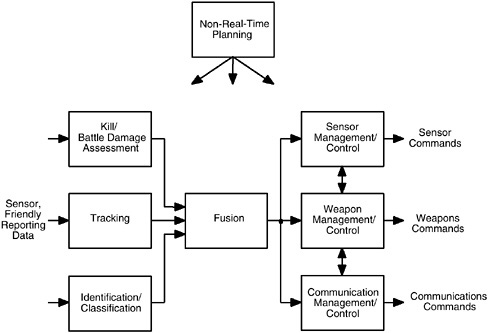
FIGURE 3.5 Generic tactical processing functions.
Classification, determining the type of a particular platform or weapon, and identification, determining its organizational relationships (at the simplest level, hostile, neutral, or friendly), are required for situation awareness and targeting. Classification and identification can be direct, based on sensor signature or transponder information, or indirect, based on inferences from processed data (e.g., an object with a track originating from a hostile platform or base might be assumed to be hostile). Classification and identification continue to be problematic, as evidenced by engagement of friends, neutrals, and decoys in recent conflicts and peacekeeping missions. The role of ATR in this function is discussed in Section 3.3.3.5.
Kill/battle damage assessment (BDA), determining the status of targets, also presents problems. For example, in kill assessment for theater missile defense, it is not enough to determine that an interceptor has hit an incoming tactical ballistic missile (TBM); it is also necessary to determine that the TBM warhead is no longer functional. BDA for land targets is not being accomplished with the timeliness and accuracy required, as illustrated in Desert Storm and the recently concluded air campaign in Kosovo.
Fusion is the combining of kinematic, classification, and status data into a CTP. Fusion requires that data from disparate sources (e.g., radar, imagery intelligence, signals intelligence) be combined with higher-level information. In practice, fusion depends heavily on having humans in the loop. However, as the number of sensor sources and the data rates for each source continue to multiply while staffing is being reduced, automation is becoming increasingly important. As noted in Section 3.3.1, there are difficult problems (targets in foliage, underground targets, low observable targets) for which single sensor solutions are currently unavailable. Although not a total solution, fusion of data from multiple networked sources may be the only viable approach in such cases. Fusion is also important for developing a COP in support of NCO planning. Accurate sensor geolocation is a key fusion enabler.
Weapon management and control includes assigning weapons to targets, selecting the optimal engagement time, planning for weapon delivery (including making the airspace free of conflict), and arranging for sensor and communication support to weapons. With the increasing range of naval weapons, coordination of fire with other Services is becoming an increasingly critical requirement. Thus NCO require combining sensors and weapons into coherent systems that cross Service boundaries, increasing the complexity of an already difficult task.
Sensor management and control is the allocation of limited sensor resources for target detection, tracking, classification, and identification; kill and battle damage assessment; and weapons support. With the development of longer-range, multimode sensors capable of supporting multiple missions and functions, sensor management and control is becoming an increasingly complex and important function.
Communications network management and control is the allocation of lim-
ited communication resources to support sensor, weapon, and processing functions. These resources can include frequencies, JTIDS slots, and antenna time lines. Most communications management today is done in a non-real-time planning mode, but there is an increasing need for a more flexible real-time allocation. Recently, the Joint Theater and Missile Development Organization has developed the concept of a joint interface control officer (JICO) to perform communications network planning, management, and control for the tactical data links associated with developing the CTP.
The generic tactical processing functions depicted in Figure 3.5 are equally applicable to a platform-centric system, such as the combat direction system of a single ship, or to a network-centric system such as CEC. What is unique about NCO is that sensors, weapons, and processing functions are distributed across multiple platforms, connected by tactical networks. Figure 3.6 contrasts platform-centric and network-centric architectures.
The sensing, weapons, and processing functions depicted in Figure 3.5 must be allocated across platforms to optimize the overall combat effectiveness of the collection of platforms as a whole rather than that of any individual platform. The functional allocation must take into account the communications loads imposed on tactical networks by the functional allocation. For example, a direct downlink of imagery data from a sensing platform to a shooting platform typically requires a very-high-capacity data link. However, if processing is performed on the imagery to extract target parameters prior to communication, data link requirements may be greatly reduced.
Although not explicitly represented in Figure 3.5, human operators can play a major role in carrying out any of the functions shown. When mission time lines permit, humans may be involved in searching imagery for targets, extracting aim points, selecting weapons, and performing mission planning in a manual
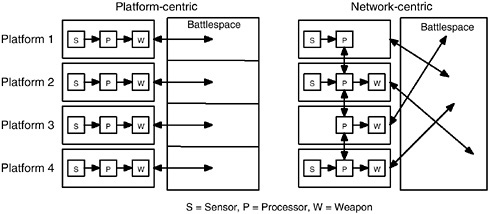
FIGURE 3.6 Platform-centric versus network-centric architecture.
or semiautomated mode (e.g., Tomahawk strike planning). In other cases, the human role may be to monitor and supervise a highly automated system (e.g., Aegis air defense). A key issue for NCO, in which humans distributed across multiple platforms must cooperate to conduct tactical operations, is design of components, procedures, and training to facilitate effective, real-time, distributed team decision making.
3.5.2 Example: Capabilities Required for Littoral Warfare
3.5.2.1 What Is Needed
Maritime forces operating in the littorals require the following capabilities that are not currently available. The need for many of them was highlighted in the extended littoral battlespace experiments,7 including:
-
Flattened, rapid, webbed, distributed command and control (C2) processes. Echelons of command should not be a hindrance in exploiting information technology. Real-time or near-real-time C2 is critical to success. Networks based on World Wide Web technology seem to fit the informational and procedural needs of the force.
-
Common situational understanding. To execute the complex activities required in a modern littoral environment, a CTP is critical. To synchronize execution, coordinate planning, and ensure the massed effects dictated by modern warfare, the decision makers require a common framework, view, and understanding of the battlespace.
-
Fully coupled decision, planning, and execution components (sea/land) on a shared battlespace network. Owing to the pace of a littoral campaign, planning and execution are concurrent. The components that support these functions must be integrated. In addition, they should “ride” on the same backbone, the NCII.
-
Intelligent networks. Information must be provided not only to the decision makers but also in many cases to the executors. Tailored intelligence must be provided to various echelons of the littoral force and presented in a manner that can be readily assimilated by combat forces at the tactical, operational, and strategic levels.
-
Improved combined fire response time. Calls for fire must be responded to in a timely manner. Targeting must be accurate. The appropriate munitions must be scheduled and the priorities of the fire set in a dynamic manner to ensure
-
that they are in concert with the concept of operations, rules of engagements, and emergency pop-up threats.
-
Interoperability with joint, combined, and coalition forces. The systems must enable U.S. maritime forces to interoperate with and share information with joint, combined, and coalition forces that may be interspersed with the littoral force, supporting, or adjacent to the force.
3.5.2.2 Current State
Current capabilities do not match what is needed for effective littoral warfare operations. For example, force track coordination is a key ingredient of a robust CTP, but current doctrine does not provide a strategy for land operations. Traditional force track coordination is based on AAW activities. The JICO concept, established to overcome joint and combined interoperability deficiencies related to management of the joint force multi-tactical digital information link (TADIL) networks, was successfully demonstrated at numerous joint exercises and has been effective in managing the complexity of the electronic battlefield, thereby improving the joint force commander’s ability to engage hostile forces and prevent fratricide. However, there does not appear to be a similar capability for land or maritime surface combat forces.
The Navy and Marine Corps use different radios and radio frequencies. The Navy is converging its data link activities to Link 16, whereas the Marine Corps plans little procurement of Link 16. Marine Corps and Navy forces will require a gateway to the U.S. Army. Since most current military satellite terminals do not have the support of “C2 on the Move,” new generations of terminals and relays of line-of-sight radio frequency systems are essential, but, to the committee’s knowledge, none are programmed for acquisition.
Position location information (PLI) is a key aspect of developing the land CTP. PLI components could provide two-way targeting information, track generation, supporting arms coordination, and other activities. PLI is important not only to the forces operating on land but also to the air and sea forces supporting the land forces. Several PLI components exist within the Navy and Marine Corps, and the Army has others. These components currently do not fully interoperate. If mixed components were to be operating in a combined area, it would be difficult for them to share information to form a COP and near impossible to form the CTP.
Even CTP data must have some filtering mechanism to optimize it for mission, component, function, and echelon use. Such optimization is particularly important as this information is moved to battlefield users disadvantaged in communication connectivity. Otherwise, inappropriate information will clog tactical networks and end-user devices.
3.5.3 Example: Capabilities Required for Attacking Mobile Land Targets
Before mobile and moving targets can be selected for attack, it is necessary to find such objects, identify them unambiguously, and track them to maintain knowledge of their identity and position. Absent ATR, frequent and precise positional updates are required in the weapon endgame. Although SIGINT (for cueing), electro-optics (for unambiguous target identification), and other sensing modalities can play important roles, only radar has the combination of high area rate, all-weather coverage required to provide surveillance, and fire control support for long-range targeting of mobile and moving targets.
Although the Navy has a very limited organic capability for long-range, stand-off tracking, classification, and kill assessment of land targets, DOD is investing significant resources in the development of manned airborne radar platforms (e.g., JSTARS, U-2), UAVs (e.g., Global Hawk, Predator), and space-based radar platforms (e.g., Discoverer II). Current capabilities include high-resolution SAR (<1 m) for stopped targets and low- to medium-resolution MTI (> 10 m) for moving targets. Capabilities in the R&D stage include interferometric SAR, high-resolution MTI (HRMTI), and moving-target imaging (MTIm). The Navy needs to obtain assured two-way connectivity to these platforms and the capability to utilize effectively the data they provide for targeting and fire control.
The volume of data produced by these sensors requires automation to assist analysts in sifting through the data to find high-value targets. As discussed previously in Section 3.3.3.5, ATR capabilities, applied to SAR, HRMTI, and MTI, have been developed to the point that they can play a significant role in reducing operator workload and system response time.
3.5.3.1 Tracking
Maintaining mobile target identity, whether obtained from SAR imagery or by other means (e.g., SIGINT or EO imagery), requires high-quality tracking of ground targets. Tracking the ground target is very difficult owing to terrain obscuration, minimum detectable velocity thresholds, the extreme maneuverability of ground targets (including stopping), and other factors. Multiple radar tracking algorithms are under development that utilize both SAR and MTI data to track high-value targets through multiple move-stop-move cycles, using features derived from high-resolution radar modes to maintain vehicle identity through coverage gaps and in the presence of “confuser” vehicles.
3.5.3.2 Detection and Classification
Consider the mission depicted in Figure 3.7 of finding and classifying high-
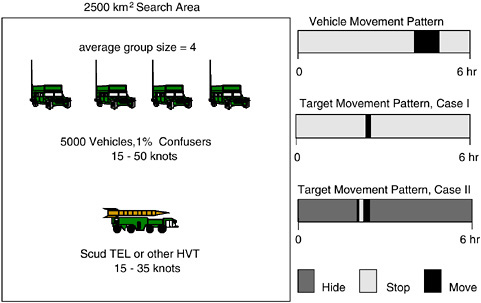
FIGURE 3.7 High-value-target tracking and classification mission.
value targets (HVTs) using the Global Hawk radar. The HVTs are assumed to be mixed in among 5,000 vehicles in a 2,500 km2 area. Most of these vehicles are relatively easy to distinguish from the HVTs, but some 1 percent (the confusers) are not. Two cases are considered. In the first case, characteristic of ephemeral targets such as theater ballistic missile transporter-erector-launchers, the HVTs are hidden from SAR except for a brief period when the HVT emerges from hiding to conduct a mission. In the second case, characteristic of relocatable targets such as the elements of a mobile surface-to-air missile (SAM) unit, the HVTs are visible to SAR except when they are moving (when they are then visible to MTI).
Assumed sensor and processing specifications are listed in Figure 3.8. The assumed classification and tracking performance is aggressive but is potentially attainable with advanced processing technology. Note that the current Global Hawk radar does not include an HRMTI mode, but the development of such a mode for both the Global Hawk and U-2 radars is planned by the Air Force under the Advanced Synthetic Aperture Radar System (ASARS) Improvement Program. The concept of operations (CONOPS) for SAR is to search in strip mode and to check detections (which may be false alarms due to clutter or non-HVT vehicles) by using spot mode. The CONOPS for MTI is to classify vehicles using one-dimensional ATR based on HRMTI. Because of the poorer classification performance obtained using HRMTI as compared to spot SAR, three looks are used.
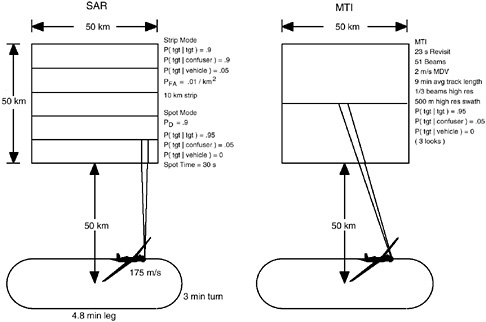
FIGURE 3.8 Synthetic aperture radar (SAR) and moving-target indicator (MTI) sensor, tracking, and processing performance specifications.
Table 3.8 gives the expected time to detect an HVT and the expected number of false alarms for a relocatable stationary target when the HVT is exposed to detection by SAR. SAR is the preferred sensor mode for this case. With the deployment of Global Hawk and the AIP-equipped U-2, and with the installation of the common high-bandwidth data link (CHBDL)—(the Navy’s version of the common data link (CDL))—on Navy carriers and large-deck amphibious ships (general purpose and assault), the Navy will have the connectivity to sensors that can detect, classify, and provide targeting-quality data against relocatable HVTs. As discussed in Section 3.3.2, the Navy is developing precision weapons capable of engaging these targets but needs to develop the capability for timely processing of the sensor data that comes down the CHBDL.
Also indicated in Table 3.8 is the expected time to detect an HVT and the expected number of false alarms for the ephemeral stationary target that is hiding and not conducting its mission. Neither sensor mode is entirely satisfactory for this mission. SAR has an unacceptably long search time. The MTI search time is acceptable, but the number of false target nominations is not. Thus improved sensor and processing technology, multiple sensors, and/or fusion of additional sensor types are needed. For example, the expected number of false target nominations for MTI can be reduced using MTIm and two-dimensional ATR, albeit at the expense of an increase in the expected time to detect a
TABLE 3.8 Radar Search for Exposed and Hiding Stationary, High-Value Targets
|
|
Exposed |
Hiding |
||
|
|
SARa |
MTIb |
SARa |
MTIb |
|
Expected time to detect (seconds) |
2 |
7 |
39 |
6 |
|
Expected number of false alarms |
1 |
34 |
14 |
34 |
|
aSAR, synthetic aperture radar. bMTI, moving-target indicator. |
||||
target. The time to detect a target can be reduced by increased power aperture and electronic scanning for the radar. Combined use of SAR and MTI to track targets through multiple move-stop-move cycles can increase track length and reduce classification requirements. Multiple radar platforms can greatly extend track length and hence reduce the classification load if coverage is coordinated to avoid data gaps during turns. Radar classification can be supplemented by unattended ground sensors. Although sensing and processing technology is being developed along these lines, developing a capability to attack ephemeral targets is a longer-term effort than developing a capability for attacking relocatable targets.
3.5.3.3 Sensor and Weapon Management and Control
Sensor management and control algorithms are needed to assist operators in coordinating the use of sensor resources. For example, when a track is lost on a high-value target, a SAR image should be requested to see if the target has stopped. Likewise, when a new track is initiated in the vicinity of a stopped high-value target, a SAR image should be requested to see if the target has moved. When a target is selected for engagement, sensor resources must be applied to reduce track errors to limits acceptable for the weapon employed.
When targets have been identified and located, weapon management and control decisions must be made. Algorithms and decision aids are needed to assist operators in selecting the optimal weapon, and to ensure that adequate sensor coverage is available during weapon fly-out and that communications links are available to provide in-flight target updates to the weapon, if required. Successfully engaging mobile and moving targets requires that decisions be made in seconds to minutes rather than the hours to days acceptable for fixed targets.
The processing functions described can be performed by a single node on
the network (centralized) or by multiple nodes (distributed). In a joint environment with platforms that are supporting multiple missions simultaneously, some form of distributed implementation is perhaps inevitable.
The above discussion focuses on the real-time aspects of attacking distant, mobile, high-value land targets. However, there are planning issues also. It is necessary to obtain the sensor resources required for targeting and fire control, to have shooter platforms in position to take advantage of opportunities that arise, and to deconflict fire with other missions.
3.5.4 Needed Research and Development
The data rates of emerging sensors, the time lines required to address fleeting targets, and the complexity of resource allocation and scheduling decisions make apparent the need for semiautomated algorithms and decision aids (e.g., ATR algorithms) for NCO tactical information processing. Deploying this technology as it continually evolves and integrating it with legacy information processing systems will require flexible, adaptive, distributed tactical information processing architectures, to include human-machine interfaces. The state of the art in these areas is such that a continuing research effort is required.
Fortunately, DARPA has an active program of research in information processing directly relevant to NCO. The committee recommends that the Navy increase its level of participation in these efforts. Naval officer and civilian personnel should be encouraged to serve as DARPA program managers (PMs), an approach that may require changes in personnel policies so that assignment as a DARPA PM is viewed as career enhancing. The Office of Naval Research (ONR) and supporting naval organizations should serve as agents for DARPA programs. ONR should establish appropriate 6.2 programs in NCO tactical information processing and in human-machine interfaces and interactions. Also, a continuing 6.3 program to develop and evaluate prototype NCO tactical information processing capabilities is needed.
In addition to technology, tactics, techniques, and procedures (TTPs) are needed for tactical NCO. Information processing functions must be allocated to humans and computers and across platforms locations. Effective human-computer interfaces (HCIs) for distributed tactical NCO information processing must be developed and must be evaluated in both normal and abnormal situations.
To satisfy these needs, the Navy should develop standard measures of effectiveness (MOEs) and a strong analytical capability focused on NCO and should couple this capability tightly to research, experimentation, and development for NCO. The Navy should continue its fleet battle experiments and its strong participation in joint warfighting experiments with a focus on developing and refining TTPs for NCO. The Navy should also conduct continuing experimental evaluation of the tactical NCO information processing prototypes developed under the 6.3 program recommended above. As in an advanced concept technol-
ogy demonstration (ACTD), such evaluation should be ongoing, matched to an evolutionary development process, rather than a single evaluation of military utility. Mature versions of tactical NCO information processing prototypes should be used in sensor and weapon system operational evaluations.
For deployment of NCO tactical information processing components, the most pressing need is the ability to exploit current and emerging nonorganic sensors to support land-attack missions. In the near term, the focus should be on relocatable targets, current sensors (e.g., JSTARS, Predator), limited automation, and to extension of the CTP to land targets. In the mid-term, the focus should be on ephemeral targets, preplanned product improvement (P3I) sensors and sensors being deployed currently (e.g., Global Hawk, U-2 AIP), and decision aids. In the long term, the focus should be on moving targets, new sensors (e.g., Discoverer II), and automated systems with human monitoring and override.
3.5.5 Findings
Finding: There is no mechanism to coordinate the development of Navy and Marine Corps doctrine and apparatus for littoral operations, or to coordinate such functions as tracking and network control. (See Section 3.5.2.2.)
Finding: There is no mechanism for coupling NCO research, experimentation, and development with the refinement of doctrine and then assessing the military value of the proposed improvements. (See Section 3.5.2.2.)
Finding: To achieve NCO, research and technology development, experimentation, and development and deployment of tactical information processing capabilities are required. (See Section 3.5.4.)
Finding: The Navy needs to position itself to exploit the fruits of DARPA investment in technology that can provide tactical information processing capabilities. (See Section 3.5.4.)
Finding: To project power at long ranges ashore, the Navy must be able to use nonorganic sensors and so should pursue connectivity to some of these sensors as vigorously as possible. (See Section 3.5.4.)
3.6 SYSTEM ENGINEERING
In this section, the committee uses the challenges of the notional land-attack system shown in Figure 3.2 to illustrate the need for analysis and engineering of the total system of complexly interacting components performing network-cen-
tric operations. It then comments on what it perceives as a lack of a unified approach in the specification and development of components.
3.6.1 System Requirements to Hit Moving Targets
Presented here is an example of the recommended system engineering approach that focuses on solving the war-fighter’s problems and thereby derives the characteristics of the component systems instead of starting with these characteristics as a “requirement.” An acute problem at present is that of hitting moving targets on Earth’s surface. Surveys show that moving targets normally constitute a high percentage of the targets in theater; tanks, armored personnel carriers, and patrol boats are examples. An important specific case is a high-value target such as a missile transporter-erector-launcher that is usually in hiding when stationary and therefore vulnerable to attack only when on the move. The committee conducted an example analysis to do the following:
-
Quantify requirements of various concepts for end-to-end systems to hit moving surface targets, considering a range of realistic environments and target behavior;
-
Explore trade-offs in how to balance the burden of performance among system elements; and
-
Examine how networking concepts can be employed to achieve system requirements.
The specific problem to be solved is that of hitting a moving surface target among randomly distributed false contacts (real physical objects that can be confused with the intended target). The intended target deliberately maneuvers to avoid engagement.
The committee considered three weapon system concepts, from simple to complex. With important exceptions (such as main battle tanks and SAM radars), moving targets are often numerous and individually of low value, so simple, inexpensive weapons are often desirable. However, targeting system complexity must increase to meet the demands of a simpler weapon. This was one of the key trade-offs examined.
Outlined very briefly here is the committee’s analysis approach; Appendix C describes the approach and findings in more detail and presents the mathematical model, which builds on one used for a previous Naval Studies Board report,8 which showed that the targeting system should provide a steady stream of reports to the weapon, as opposed to a single report. The targeting system
must be able to classify a target and associate multiple reports with a single track. With these capabilities a targeting system can then provide a steady stream of reports that enable a tracking filter to estimate speed and heading. The targeting component is characterized by three parameters: the position accuracy, report interval, and data time delay. It can be assumed that a weapon or launch platform that attempts to reacquire the target is successful if (1) the target is inside the sensor or seeker area of regard and (2) the search finds the intended target before a false contact is misclassified as the target. The probability of satisfying these two conditions depends critically on accurately predicting the target’s location.
Summarized very briefly here are the results of the analysis. Requirements to target a weapon of intermediate complexity (and cost) are not onerous compared with those to target a complex weapon (e.g., a manned aircraft with capable sensor suite). For the simplest weapon, one that does not reacquire the target, the targeting requirements are difficult to achieve.
The analysis showed that system requirements are driven by the environment, principally the density of false contacts. How can one design a system for all likely environments? Design for very dense environments would be overdesign by large margins for less stressing cases and appears to be prohibitively expensive for widespread deployment. The answer may be to provide the commander with the tools to control assets flexibly in order to focus assets and tighten the targeting-system-to-weapon-system loop when necessary.
Can networking enable the requirements to be met? The committee believes several networking concepts may help. First, fusion of data from multiple sensors at different geometries can greatly improve the accuracy of the target position measurement; the radars’ precise range estimates provide the accuracy refinement. Second, targeting data can be put into a common navigational coordinate system by communicating among all targeting and weapon system platforms to control the specific GPS satellites they all track.
To summarize, hitting moving targets will require a tight network of distributed sensors, processing facilities, command and control facilities, weapon launch platforms, and weapons. In many circumstances, weapons with simple, inexpensive seekers and links for in-flight targeting updates may provide the best balance in distributing the burden of performance between targeting and weapon components. In the more distant future, networking concepts may permit the use of low-cost weapons without seekers. A network-centric operations system that is both affordable and yet effective in all likely situations will have to be flexible and adaptable to the commander’s tasking, and it will have to make available for use in the most challenging high-density traffic scenarios some means of target recognition on the weapon or on the platform controlling it.
3.6.2 Coordination of Component Development
Figure 3.9 diagrams some of the interactions among components involved in hitting land targets by indirect fire for the case in which the weapon receives no external guidance after launch. The required ATR false-alarm rate is a function of the area to be searched. That area is a function of target location error and navigation error. Target location error is a function of targeting sensor accuracy and latency, target motion, and weapon time of flight. Navigation error is a function of resistance to GPS jamming and the performance of the IMU that guides the weapon, after GPS guidance has been lost, to the vicinity of the target.
Although a system analysis can be performed to allocate requirements among the components, opportunities and challenges arise during the course of component development. An increased GPS jamming threat could be addressed by investing in some combinations of better IMUs and ATR. A breakthrough in ATR could ease requirements on weapon time of flight. The +20 dB spot beam proposed for future generations of GPS satellites would reduce the effective range of a terminal jammer by a factor of 10, easing the requirements on IMU drift rate or ATR coverage by a similar factor. For an open-loop attack on a fixed target, the probability of hit is determined by target location error, navigation error, and ATR performance; time delay is not an issue. However, for an ephemeral target, that is, one that is detectable and stationary for only a limited time, the weapon must arrive before the target moves. The sum of the delays in sensing, decision making, and weapon time of flight must be smaller than the
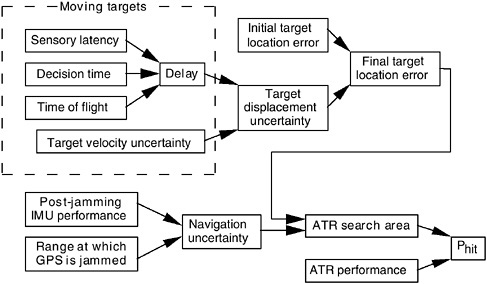
FIGURE 3.9 Component performance interactions (no external guidance after launch).
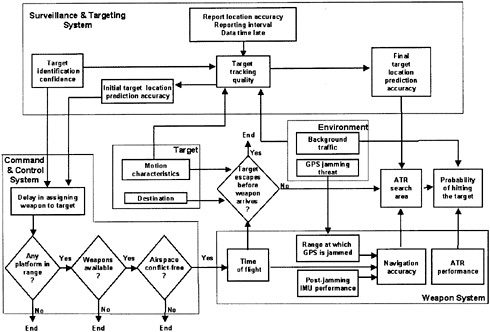
FIGURE 3.10 System factors in delivering firepower ashore against moving targets (in-flight updates from an external sensor).
period the target will remain stationary. For a moving target, the case shown within the dashed lines in Figure 3.9, there will always be uncertainty about the target’s location, and short times of flight and excellent ATR will be needed to hit it.
Complex as these interactions are, the situation analysis becomes even more complex when the weapon receives in-flight updates from an external sensor, the case that is analyzed in Appendix C. Figure 3.10 displays these interactions. Absent a breakthrough in ATR, the committee believes that closed-loop control will usually be required to hit moving targets. This belief motivated the recommendations to provide control links to weapons and to consider developing and deploying organic sensors that could provide near-staring control of the weapon’s endgame.
The committee had the opportunity to hear from many officials responsible for the development of components that will be used to constitute the NCO systems. These officials were uniformly knowledgeable about the challenges implicit in meeting the specifications laid down for their components, but, as focused program managers, were less interested in the derivation of these specifications or the possibility of network-wide trade-offs.
The committee found that coherent analysis and development were best exhibited in antiair warfare (AAW), perhaps because a single organization per-
forms the system engineering and program execution, or perhaps because AAW has occupied the Navy’s attention for many years. The least coherence was found in strike and over-the-horizon naval fire support—perhaps because diverse, independent program offices are developing the component subsystems; perhaps because the Navy and the Marine Corps do not have common doctrine for naval fire support; and perhaps because the Navy’s focus on decisively influencing events ashore is relatively new.
The committee is aware of ongoing work in land-attack targeting, for example, the activities of the land-attack targeting integrated process team and of the DD-21 program office. Its comments are not intended to be critical of these activities, but rather to indicate that additional resources, scope (e.g., involvement of the air community), and authority are needed.
Among the problems the committee found in strike and over-the-horizon naval fire support were the following:
-
Need for responsive, long-range, low-cost, high-volume weapons for compatibility with stand-off distances imposed on naval platforms by antiship missile or other threats, and for Marine Corps plans for ship-to-objective maneuver;
-
Inadequate targeting for naval surface fire, including lack of an agreed-upon method, backed by program actions, for transmitting target coordinates from a deep inland forward observer to an over-the-horizon firing ship; and
-
Inadequate capability to detect, identify, track, and engage moving targets.
One reason for this lack of overall system engineering is clear: the Navy has undertaken a new mission—to influence events ashore decisively—and has not fully adapted itself to execute that mission. Of course, organizing to perform end-to-end system engineering over a sphere of activity as large as naval strike and surface fire is a daunting challenge. But the Navy has done exactly that, twice in past decades.
In the 1960s and 1970s, the Navy faced a formidable submarine threat posed by the Soviet Union. Meeting the antisubmarine warfare (ASW) challenge required system improvements on aircraft, surface ships, and submarines and in surveillance systems. In response, the Navy established an office, PM-4, in the Naval Materiel Command, and gave it responsibility and authority for development of the Navy’s ASW capabilities. PM-4 performed end-to-end system analysis, trading among ship, submarine, aircraft, and surveillance system components, and enabled communication among programs so as to accomplish the end-to-end system engineering needed to develop an effective ASW capability. Another important factor in the Navy’s success was an OPNAV sponsor responsible for the entire ASW capability. The OPNAV sponsor directed operational and system analyses to support funding allocations.
In the 1990s, the Navy faced another challenge—a spectrum of air threats, ranging from low-flying, stealthy cruise missiles to theater ballistic missiles, being acquired by a large number of potential adversaries. The Navy responded by forming the Program Executive Office (PEO) for Theater Air Defense, then consolidated that office with the PEO for Surface Combatants to form the current PEO for Surface Combatants and Theater Air Defense. This consolidation allows the Navy to conduct end-to-end system analysis, trading among the multiple layers of air defense, and, most relevant to the topic at hand, develop systems that cross platforms, including the CEC system that is the exemplar of NCO. Here again, the Navy is well served by an OPNAV sponsor responsible for the entire capability. In the first decade of the new century, the Navy’s challenge will be to build the capability to influence events ashore decisively, particularly by projecting power ashore.
The Navy’s two successful examples demonstrate what will be required. Future naval strike and surface fire will encompass naval air, surface, and subsurface platforms, air- and sea-launched weapons, and associated command, control, and communications components. Even if development of components is decentralized, someone must be responsible for the development of the overall system and must have the status and resources to manage interfaces with other Services and with National sensor systems. The CNO must clarify responsibility in OPNAV for the power projection mission. The development of new warfighting concepts and doctrine and the rebalancing of the materiel components must coordinate throughout the evolution of the system.
3.6.3 Finding
Finding: Hitting ephemeral, relocatable, and moving targets is a vital capability that will require improvements in sensors (e.g., platforms for surveillance in high-threat areas), processing (identifying targets and maintaining tracks on targets moving through high-density traffic), command systems (capability for frequent and rapid decisions on weapon-target pairings), and launch platforms and weapons (e.g., affordable communication links and simple seekers). Many trade-offs can be made among system components, and many network concepts can be brought to bear to improve performance and reduce overall system cost. (See Section 3.6.1.)
3.7 SUMMARY AND RECOMMENDATIONS
A network-centric operations system comprises a number of subsystems, each designed and engineered to accomplish a military function. The subsystems are networks of components—such as sensors, weapons, command elements, and mission-specific information processing—tied together by the NCII that is described in Chapter 4.
The sections above describe the characteristics of the components and illustrate the interdependencies among element performance and their effects on subsystem performance as required for power projection, the Navy mission chosen by the committee for study because this mission has only recently been emphasized by Navy Department leadership and because much work will be needed to realize the potential of NCO in this mission. In particular, concepts are needed for the targeting of short-time-of-flight weapons from adequate standoff.
Consideration of what is needed for effective power projection—in terms of weapons, sensors and navigation, and tactical information processing—revealed a number of potential trade-offs across elements for effective operations, for example, GPS jam resistance against ATR performance, guidance accuracy against warhead lethality, and sensor latency against weapon time of flight. The complexity of the interactions led to the committee’s conclusion that the design and development of new subsystem components must be coherently managed so that the trade-offs can be continually reexamined to account for developmental difficulties and breakthroughs.
Attacking moving targets with an in-flight link from the targeting sensor would require either warheads that are lethal over large areas or excellent ATR performance. While recommending further development of ATR, the committee also recommends that sensors, weapons, and the NCII should be designed to support the use of such a link.
Sensors have physical limitations and are subject to camouflage, deception, and information operations. Diversity in location and phenomenology, together with the ability to form ad hoc networks, can overcome some of these challenges.
The committee’s consideration of sensors showed some promising ATR work to which the Department of the Navy’s technical community is not strongly coupled. The high potential value of theater and National sensors able to interface with Navy platforms is not receiving high Navy Department priority.
3.7.1 Principal Recommendations
Based on the findings presented throughout the chapter, the committee’s principal recommendations are as follows:
Recommendation: The Naval Warfare Development Command and the Marine Corps Combat Development Command should formalize their relationship and ensure joint development of littoral NCO concepts. In particular, they should reach agreement on the need for a family of short-time-of-flight over-the-horizon weapons from adequate stand-off distances and concepts for their targeting.
Recommendation: The Department of the Navy should design and engineer, as a coherent whole, the mission-oriented subsystems of the NCO system, trading off performance goals across components to achieve required mission performance. Some reform of the acquisition community from platform-centric to mission-centric should be considered, especially for the power projection mission.
Recommendation: The Department of the Navy should facilitate the power of networks of sensors at disparate locations and employ disparate phenomenologies by moving more smartly to connect to National and theater sensors and by designing new sensors to permit cooperative behavior in ad hoc networks.
Recommendation: The Department of the Navy should seek the capability of in-flight guidance of new weapons designed to be fired from over the horizon against ephemeral, relocatable, and moving ground targets. In addition, the Department of the Navy should work to enhance connectivity to joint moving-target indicator (MTI), synthetic aperture radar, and electro-optics sensors and consider the acquisition of organic airborne near-staring MTI sensors to provide closed-loop endgame weapon control.
Recommendation: While participating in endeavors to increase the jam resistance of Global Positioning System receivers in naval platforms, the Department of the Navy should continue to seek technology for better long-range target identification (including ATR) and should interact more strongly with the relevant DARPA programs.
3.7.2 Summary of Findings and Associated Recommendations
The following subsections repeat the findings presented in the text of this chapter and offer, in addition, individual recommendations based on those findings.
3.7.2.1 Weapons
Finding: Although new weapons are being developed for land attack, the range of surface-launched, short-time-of-flight weapons is currently too limited to support ship-to-objective maneuver at reasonable stand-off distances. Better targeting concepts are needed. (See Section 3.2.1.)
Recommendation: Examine targeting concepts before specifying weapons.
Finding: Target identification limitations inhibit the use of air-to-air weapons at their full kinematic range. (See Section 3.2.2.)
Recommendation: Pursue technology for reliable, long-range identification.
Finding: Weapons that attack low-signature targets will likely depend on guidance from networks of sensors and illuminators. (See Section 3.2.3.)
Recommendation: Provide capability to accept in-flight guidance.
3.7.2.1 Sensors
Finding: Sensor capabilities are improving through exploitation of digital and solid-state technology. (See Section 3.3.1.)
Recommendation: Continue basic technology and advanced sensor development.
Finding: Adversaries can exploit fundamental physical laws and make detection by sensors difficult in certain situations. (See Section 3.3.1.)
Recommendation: Investigate new physical phenomena that exhibit different physical limitations while continuing to explore the existing technology for design concepts that can extend performance limits.
Finding: Deployed Navy sensors span a ranges of types, but most were designed for platform defense, are stovepiped, and exhibit a mix of old and new technologies due to the budget-limited practice of incremental upgrades over a long period. (See Section 3.3.2.)
Recommendation: Develop and acquire all new sensors as a consequence of NCO top-down systems engineering. Build in enablers for cooperative behavior of dissimilar sensors, accommodation of new technology, and participation in ad hoc networks.
Finding: The Navy has no organic sensors capable of guiding its precision, long-range weapons to ground targets. Emerging doctrine assumes access to joint or National resources in the battlespace, but the Navy is only beginning to invest in such connectivity. (See Section 3.3.3.1.)
Recommendation: Address the nature of the Navy’s mix of organic and joint or National sensors. Consider the acquisition of a Navy synthetic aperture radar/ ground moving-target indicator sensor for unmanned aerial vehicles.
Finding: Multisensor cooperation offers significant performance advantages. (See Section 3.3.3.2.)
Recommendation: Design all future sensors to accommodate flexible data exchange and cooperative behavior.
Finding: Temporary sensor-shooter-weapons teams are natural in network-centric operations but offer flexibility and quality-of-service challenges for the communication infrastructure. (See Section 3.3.3.3.)
Recommendation: Impose flexibility requirements on sensors and their information links. Factor this requirement into the initial design and engineering of the Naval Command and Information Infrastructure.
Finding: Geolocation in the same absolute or relative coordinate system of the sensors and targets in the battlespace is mandatory. Use of the Global Positioning System is often assumed to be the sole technique employed but may not always be available. (See Section 3.3.3.4.)
Recommendation: Develop protection for and alternatives to the Global Positioning System.
Finding: Automatic target recognition avoids overload of communications and of image analysts, may be necessary for remote attack of moving targets, and provides a hedge against GPS jamming. Model-based vision may overcome the limitations of template matching. However, more general capabilities for automatic information extraction continue to be elusive and must remain the subjects of continuing R&D. (See Section 3.3.3.5.)
Recommendation: Support R&D on automatic target recognition and related information extraction approaches as well as image-compression algorithms.
3.7.2.3 Navigation
Finding: No single technique will make GPS-aided weapon navigation invulnerable to GPS jamming. Practical solutions are likely to involve a combination of cheaper, precise IMUs, better ALR and ATR, improved satellite signals and receiver signal processing, and the use of spatial processing. (See Section 3.4.2.1.)
Recommendation: Perform analysis to determine what combinations of improvements would be required to overcome foreseeable Global Positioning System jamming. Fund technology base work to determine whether these improvements are attainable.
Finding: Available antiradiation weapons do not solve the GPS jamming problem because the jammers can be easily replicated and the weapons cost many times more than the jammer. Suitably modified HARMs could be used to attack aircraft carrying high-power jammers, and the presence of such HARMs in inventory might demoralize crews operating GPS jammers. (See Section 3.4.2.2.)
Recommendation: Do not depend on physical attacks against jammers as a general solution to Global Positioning System vulnerability.
Finding: Although navigation through the use of satellites not designed for that purpose is possible, the difficulties of using these techniques in weapons are formidable. Nevertheless, European interest in these techniques will cause the difficulties to be assessed and perhaps overcome. (See Section 3.4.2.3.)
Recommendation: Monitor European and commercial progress in navigation through incidental satellite transmissions.
Finding: Passing control of a weapon forward to a sensor that holds the target in view is a plausible means of reducing or eliminating dependence on GPS and similar systems. (See Section 3.4.2.4.)
Recommendation: Design weapons and sensor platforms so as not to foreclose the possibility of endgame control of the weapon directly from the sensor.
3.7.2.4 Tactical Information Processing
Finding: There is no mechanism to coordinate the development of Navy and Marine Corps doctrine and apparatus for littoral operations, or to coordinate such functions as tracking and network control. (See Section 3.5.2.2.)
Recommendation: Formalize and institutionalize the relationship between the Marine Corps Combat Development Command and the Navy Warfare Development Command with regard to NCO innovation, tactics, techniques, and procedures, and doctrine in the littorals.
Finding: There is no mechanism for coupling NCO research, experimentation, and development with the refinement of doctrine and then assessing the military value of the proposed improvements. (See Section 3.5.2.2.)
Recommendation: Develop an analytic capability and measures of effectiveness to support the evolutionary improvement of NCO tactics, techniques, and proce-
dures and tactical information processing. Continue experimenting; emphasize experimental design and measurement.
Finding: To achieve NCO, research and technology development, experimentation, and development and deployment of tactical information processing capabilities are required. (See Section 3.5.4.)
Recommendation: Maintain Navy Department technology programs underlying tactical information processing.
Finding: The Navy needs to position itself to exploit the fruits of DARPA investment in technology that can provide tactical information processing capabilities. (See Section 3.5.4.)
Recommendation: Interact more strongly with DARPA and offer strong candidates for leadership of appropriate DARPA program offices.
Finding: To project power at long ranges ashore, the Navy must be able to use nonorganic sensors and so should pursue connectivity to some of these sensors as vigorously as possible. (See Section 3.5.4.)
Recommendation: Establish a continuing 6.3 nonacquisition program for prototyping and experimentation.
Recommendation: Move smartly to ensure connectivity from nonorganic sensors to Navy control and firing platforms and to ensure the ability to process data from these sensors.
3.7.2.5 System Engineering
Finding: Hitting ephemeral, relocatable, and moving targets is a vital capability that will require improvements in sensors (e.g., platforms for surveillance in high-threat areas), processing (identifying targets and maintaining tracks on targets moving through high-density traffic), command systems (capability for frequent and rapid decisions on weapon-target pairings), and launch platforms and weapons (e.g., affordable communication links and simple seekers). Many trade-offs can be made among system components, and many network concepts can be brought to bear to improve performance and reduce overall system cost. (See Section 3.6.1.)
Recommendation: The Department of the Navy should engineer the capability to hit ephemeral, relocatable, and moving targets as an end-to-end system.


