VIEW LARGER COVER
During medical emergencies, hospital staff and emergency medical services (EMS) providers, can face barriers in delivering the fastest and best possible care. Overcrowded emergency rooms cannot care for patients as quickly as necessary, and some may divert ambulances and turn away new patients outright. In many states, ambulance staff lacks the means to determine which hospitals can provide the best care to a patient. Given this absence of knowledge, they bring patients to the closest hospital. In addition, because emergency service providers from different companies compete with each other for patients, and emergency care legislation varies from state to state, it is difficult to establish the necessary local, interstate, and national communication and collaboration to create a more efficient system.
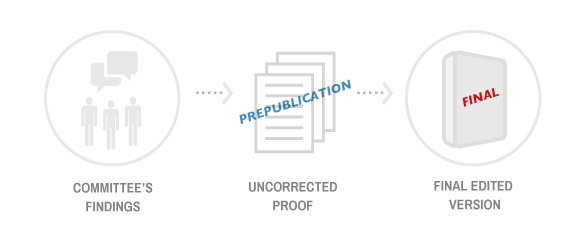
In 2006, the IOM recommended that the federal government implement a regionalized emergency care system to improve cooperation and overcome these challenges. In a regionalized system, local hospitals and EMS providers would coordinate their efforts so that patients would be brought to hospitals based on the hospitals' capacity and expertise to best meet patients' needs. In September 2009, three years after making these recommendations, the IOM held a workshop sponsored by the federal Emergency Care Coordination Center to assess the nation's progress toward regionalizing emergency care. The workshop brought together policymakers and stakeholders, including nurses, EMS personnel, hospital administrators, and others involved in emergency care. Participants identified successes and shortcomings in previous regionalization efforts; examined the many factors involved in successfully implementing regionalization; and discussed future challenges to regionalizing emergency care. This document summarizes the workshop.
 Loading stats for Regionalizing Emergency Care: Workshop Summary...