Cognitive neuroscience and related technologies constitute a multifaceted discipline that is burgeoning on many fronts. Based on the expertise of its members, and realizing that it could not possibly cover the entire range of science within the discipline, the committee chose to discuss three specific areas of interest: (1) challenges to the detection of psychological states and intentions via neurophysiological activity, (2) neuropsychopharmacology, and (3) functional neuroimaging. Even then, the study’s timeline made it impossible to provide an exhaustive review. Despite these limitations, however, the following discussions accurately depict the current state of cognitive neuroscience research in the selected fields. The chapter also serves as the scientific foundation for Chapter 3.
There is little doubt that great progress has been made over the last quarter century, particularly the last 10 to 15 years, in understanding the physiological and neural bases for psychological processes and behavior. Furthermore, there is a high likelihood that more progress will be made as more sophisticated theoretical models are developed and tested using ever more sophisticated assessment technology. In the applied sector, scientists will probably be better able to identify valid neurophysiological indicators of performance. For example, modeling the human genome will help researchers to index affective, cognitive, and motiva-
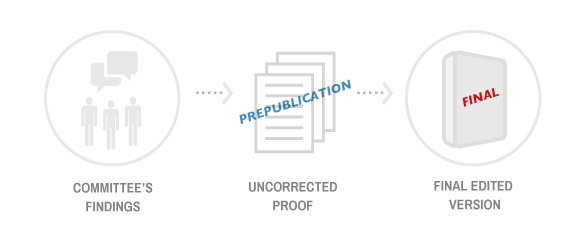
Below are the first 10 and last 10 pages of uncorrected machine-read text (when available) of this chapter, followed by the top 30 algorithmically extracted key phrases from the chapter as a whole.
Intended to provide our own search engines and external engines with highly rich, chapter-representative searchable text on the opening pages of each chapter.
Because it is UNCORRECTED material, please consider the following text as a useful but insufficient proxy for the authoritative book pages.
Do not use for reproduction, copying, pasting, or reading; exclusively for search engines.
OCR for page 18
2
Current Cognitive Neuroscience
Research and Technology:
Selected Areas of Interest
INTRODUCTION
Cognitive neuroscience and related technologies constitute a multifaceted
discipline that is burgeoning on many fronts. Based on the expertise of its mem-
bers, and realizing that it could not possibly cover the entire range of science
within the discipline, the committee chose to discuss three specific areas of inter-
est: (1) challenges to the detection of psychological states and intentions via
neurophysiological activity, (2) neuropsychopharmacology, and (3) functional
neuroimaging. Even then, the study’s timeline made it impossible to provide
an exhaustive review. Despite these limitations, however, the following discus-
sions accurately depict the current state of cognitive neuroscience research in the
selected fields. The chapter also serves as the scientific foundation for Chapter 3.
CHALLENGES TO THE DETECTION OF PSYCHOLOGICAL STATES
AND INTENTIONS VIA NEUROPHYSIOLOGICAL ACTIVITY
Overview
There is little doubt that great progress has been made over the last quarter
century, particularly the last 10 to 15 years, in understanding the physiological
and neural bases for psychological processes and behavior. Furthermore, there is
a high likelihood that more progress will be made as more sophisticated theoreti-
cal models are developed and tested using ever more sophisticated assessment
technology. In the applied sector, scientists will probably be better able to identify
valid neurophysiological indicators of performance. For example, modeling the
human genome will help researchers to index affective, cognitive, and motiva-
OCR for page 18
CUrrENT COGNITIVE NEUrOSCIENCE rESEArCH AND TECHNOLOGY
tional states and evaluate the effectiveness of training techniques or to determine
the readiness of combat units.
The vast majority of neuroscientific research has been conducted at the
group, or aggregate, level rather than at the individual level, and this trend
is likely to continue. To achieve sophisticated and highly sensitive neuro-
physiological assessment of psychological states at the individual level, many
significant challenges must be overcome. At a minimum, the neurophysiological
indicators will probably have to be individually “tuned” to each user, given the
issues of individual variability and plasticity described below.
To accurately assess psychological states using neurophysiological measures,
basic neurophysiological work needs to be accomplished over the next two
decades. The committee identified and discussed a nonexhaustive list of issues
that need to be addressed and questions that need to be answered. These included
the nature of psychological states compared to “mind reading,” the nature of
neurophysiological and neural activity, and barriers to identification of mental
states and intentions.
An important qualification about the parameters necessary for determining
psychological state became apparent during the committee’s deliberations—the
end use of information about the inferred psychological state. Because technol-
ogy to infer a psychological state or intention could be put to a broad range of
alternative uses, it is important to recognize that acceptable levels of error depend
on the differential consequences of a false positive or a missed identification. The
technology being applied to determine psychological state could even be derived
from an incomplete model of brain function as long as it had sufficient predic-
tive power to accomplish the desired goal. For instance, one would not need a
complete model of brain function to construct a brain–computer interface that
could improve the self-piloting capabilities of unmanned air vehicles. But the
tolerance for error will be much less if a technology is used to determine whether
an individual is lying about an act of treason, because the consequences of an
error will be greater.
The committee believes that it is critical to fully understand the relationship
between neurophysiological markers and actual mental states when the applica-
tion is the detection of deception.
Mind reading and psychological States
It has proven difficult since the beginning of modern psychology 150 years
ago to achieve agreement, even among psychologists and other behavioral scien-
tists, on explicit definitions of psychological constructs. Such agreement is impor-
tant because most psychological constructs bear labels borrowed from common
language. Dictionary meanings and usage tempt many scientists to assume that
they know the scientific definition of a psychological construct without consulting
the scientific literature, where such constructs are explicitly defined.
OCR for page 18
0 EMErGING COGNITIVE NEUrOSCIENCE AND rELATED TECHNOLOGIES
Typical didactic schemes for organizing psychological constructs imply a
more rigid separation between them than actually exists and operates. Today,
the main organizing constructs for understanding psychology at the individual
level are affect, cognition, and motiation.1 However, such organization does not
necessarily reflect how affective, cognitive, and motivational processes interact.
Indeed, attempting to understand each construct in isolation rather than the three
as an interdependent triumvirate is to wander in an epiphenomenal domain rather
than a realistic psychological domain. If scientists could, for example, accu-
rately determine how a particular soldier processes information about a member
of the enemy force (cognition), that knowledge would do very little to help us
understand how the soldier will behave toward that enemy unless scientists also
take into account how he or she feels about that enemy (affect) and how both
constructs play into motivational processes.
When behavioral scientists ask why individuals behave in certain ways, they
typically are asking a motivational question. During the first half of the twentieth
century, psychologists focused on external environmental factors such as rein-
forcement to explain motivation. In the latter half of that century, they focused on
internal processes to explain affect (moods and emotions) and cognition (informa-
tion processing, memory) but without knowing details of the causal interconnec-
tions among the processes. Today, psychologists understand that behavior occurs
between interrelated affective, cognitive, and motivational processes on the one
hand and environmental factors and processes on the other. This complex set of
interrelated factors must be understood and accounted for to detect a psychologi-
cal state—that is, to “read” a mind—using any technology.
There has been growing use of the term “mind reading” in the popular press
and in a few circumscribed areas of the Department of Defense (DOD). Because
the precise meanings of the terms that are used to communicate understanding
are critical to the scientific endeavor, the committee believes it is important that
the DOD and IC communities understand what is meant in this study by “mind
reading” and “psychological state.” Mind reading typically refers to the capac-
ity (imparted by an external mechanism—that is, some form of technology) to
determine precisely what an individual is thinking or intending, whether or not
the individual is willing to communicate that state of mind. As discussed below,
to “read” minds scientists must understand how minds really work to come up
with a technology that is of real use, and there are several formidable barriers to
1 Individual psychology is also determined by important factors such as fundamental biological
drives and programming of behavior, cognition, and affect by all levels of biology, including genes,
proteins, receptors, synapses, and nuclei, among others. In addition, endogenous and genetic drivers
dominate cognition, affect, and behavioral capability—for example, in human development, sleep and
circadian rhythms of cognition and affect, eating, the need for social affiliation and for salt and water,
sexual drive, aggression, and nurturing—and dominate human behavior. This section of the report
discusses in some detail environmental factors relating to individual psychology, but this is not meant
to de-emphasize the importance of biological factors such as the ones just described.
OCR for page 18
CUrrENT COGNITIVE NEUrOSCIENCE rESEArCH AND TECHNOLOGY
achieving such an understanding any time in the next two decades. In contrast,
“psychological state” sometimes refers to a broad range of mental activities asso-
ciated with cognition, affect, and motivation, but more often refers to a discrete
and definable mental state, for example, sustained attention (cognition), anger
(affect), or hunger (motivation). The committee believes that experimentation,
with the careful control of any number of possibly confounding variables, will
result in important progress toward understanding the nature of psychological
states over the next two decades, using current and yet-to-be developed tech-
nologies. It must be understood, however, that much neuroscientific research still
infers psychological state based on the experimental controls. Barriers to being
able to read minds as well as the hurdles that must be overcome to accurately
determine psychological state are discussed below.
The Nature of Neurophysiological Actiity
The progress being made by scientific discovery in the field of biology
is truly amazing, particularly at the molecular level. At the level of the neural
system, however, current knowledge is more speculative. This is understandable
given the complexity of the brain. Estimates are that each of the (approximately)
100 billion neurons in the brain synapses—that is, connects—with as many as
50,000 other neurons, making for a large and complicated control network that
will likely take decades more of scientific work to map out.
This level of complexity also makes it unnecessary to identify neural centers
of activity that are responsible for or associated with specific psychological
“modules” of activity. It has been shown that although the neural activity in some
brain loci appears to increase or decrease during specified mental activities, these
brain loci represent only a small fraction of ongoing neural activity (Raichle,
2007). The rest of the brain is still active, and much more of the operation of the
brain system must be understood to develop a firm scientific basis for reliably
inferring psychological states.
Barriers to Identifying Psychological States and Intentions via
Neural Activity
A science of the relations of mind and brain must show how the elementary
ingredients of the former correspond to the elementary functions of the latter.
(James, 1890)
The hurdles that must be surmounted in order to detect individual psycho-
logical states in a scientifically valid way are quite challenging. Here, several of
these challenges are identified and discussed.
OCR for page 18
EMErGING COGNITIVE NEUrOSCIENCE AND rELATED TECHNOLOGIES
Technological Limitations and Adances
The impediment to detection of psychological states via neurophysiological
states that is currently the most tractable is availability of technology to monitor
and measure putative neurophysiological and neural processes with high spatial
and temporal resolution. Although the assessment of peripheral somatic and
autonomic systems has been possible for many years (Shapiro and Crider, 1969),
advances in the assessment technology have come only recently. Inexpensive,
noninvasive endocrine assays (Dickerson and Kemeny, 2004) and noninvasive,
high-density electroencephalographic and functional brain imaging technology
with high spatial and temporal resolution of brain processes have advanced
rapidly. However, scientists must be cautious about what to expect of these tech-
nologies in the next quarter century. Technology is yielding new and powerful
measurement tools. However, these tools will require sound scientific methods
to be of benefit.
Errors in Logic and the Scientific Method
Given that the challenge set forth in the statement of task is to help the intel-
ligence community (IC) and Department of Defense (DOD) “better understand,
and therefore forecast, the international neurophysiological and cognitive/neural
science research landscape,” members of the committee believe that individuals
who are not members of the neuroscientific community tend to make several com-
mon errors of logic when they interpret the findings of various technologies that
are used to infer psychological states. These errors tend to occur because people
misunderstand the relationship between the neurophysiological measurements
and the actual mental state that the scientist is attempting to measure. A height-
ened awareness of the potential for such errors may help the IC and DOD make
the best possible decisions when evaluating the scientific claims of researchers
in other countries as well as the United States.
Furthermore, because technological innovation is as elemental to certain
branches of neuroscientific investigation as the neuroscience itself is, the IC and
DOD are likely to encounter two approaches to developing end-user applications
of neuroscience, one favored mainly by neural and behavioral scientists, the
other by engineers. Both approaches have their strengths, but when evaluating
neuroscience, there are important differences. The first approach, as articulated
by Cacioppo and Tassinary (1990a), places a premium on plausible scientific
theory and the causal relationships underlying the psychological construct and
the physiological index. This approach emphasizes the discovery of causal rela-
tionships so the theory can be refined and more and more precise hypotheses can
be posited, helping to avoid misinterpretation of the data—that is, third-variable
confounding, as discussed below. The second approach (the “engineering” one) is
to propose, demonstrate, or purport that a given device or technology or method
works from a signal detection point of view—for example, “with this technol-
OCR for page 18
CUrrENT COGNITIVE NEUrOSCIENCE rESEArCH AND TECHNOLOGY
ogy we can tell when a pilot is too tired to fly with 92.3 percent accuracy.” Any
underlying causal model is secondary to the correlated effects. This approach
is appealing, works well for many applications, and fits well with the DOD’s
proactive approach to problem solving. One significant problem with the largely
atheoretical “engineering” approach in neuroscience is that it leaves one open to
third-variable confounding, because without a model it is not possible to predict
potential confounding. Furthermore, if problems do develop in implementation,
there is no model from which to predict the next step. In contrast, the theory-
based approach is one of successive approximations by which the underlying
theory is continually refined and built upon through the use of models describing
the underlying causal relationships.
relationship Between Neurophysiological Measures and psychological State
First and foremost, it is important that the reader understand the nature of
neuroscientific investigation. When a neuroscientist is studying the biochemistry
or the physics involved in brain function—changes in amino acids or the flow of
ions, for example—these physiological changes are the phenomenon of interest
and the focus of the study. However, when a neuroscientist is studying a psycho-
logical state such as attention or anger, changes in brain activity or chemistry are
the correlates, or the means by which scientists study the mental state, which
is the phenomenon of interest. Whereas physiological changes may regularly
accompany a shift in mental state, scientists cannot assume that the mental state
bears a one-to-one correspondence with the neural changes they are measuring.
A discerning reader might argue, “But what if (and this is a very large if) scien-
tists knew everything about how the brain functions, and knew how to measure
it; would they then, in fact, be measuring mental states?” This line of reasoning,
which is often followed by the lay community, is actually a philosophy of science
known as reductionism. Reductionism, introduced by Descartes in the seven-
teenth century, argued that complex things can be fully explained and predicted
by reducing them to the interactions of their parts, which are simpler or more
fundamental things. He said that the world was a machinelike system that could
be understood by taking apart its pieces, studying them, and then putting them
back together to see the larger picture. Taken to its logical extreme, measuring
the biological mechanisms associated with a mental activity would be equivalent
to measuring the mental activity itself rather than just a correlate.
Although a reductionist philosophy of science is accepted in many areas
of modern science, including much of physics, chemistry, and microbiology,
reductionism to these levels of analysis has never taken hold in the behavioral
sciences, probably with good reason. Although reductionists (see, for example,
Wilson, 1998) believe that behavior can best be explained by genetic biology
and/or the operation of neural control mechanisms, most other scientists argue
that reductionist assumptions limit scientific understanding of complex systems.
OCR for page 18
EMErGING COGNITIVE NEUrOSCIENCE AND rELATED TECHNOLOGIES
If this is true, mental states may be more than the sum of their parts and may
not be amenable to measurement even if the underlying neural activity is fully
understood. Stated another way, mental states may emerge only at a psychological
level of analysis and cannot be described in terms of purely neurophysiological
activity even though the mental states are assumed to be caused by the brain. If
reductionism is indeed correct, then at the current level of knowledge about the
complexity of neural systems, science is indeed a very long way from being able
to read minds from genetic or neural information.
This argument is important because neuroscientists realize that they are
measuring the correlates of some mental state, not the mental state itself. As
such, the issue of how closely the measures of neural activity map on to the
mental state of interest (discussed below) becomes important. This point is of
less concern to certain applications of technology to infer brain states (such
as augmenting cognition to facilitate the piloting of unmanned aircraft), but it
becomes critical when aspects of the psychological state can have legal rami-
fications, as, for example, in the determination of deception or intent to harm.
The knowledge that scientists do not know that the neural activity corresponds
one to one with the actual mental state (deceiving) must be weighed very care-
fully in these instances.
Mapping Measurements of Neurophysiological Actiity to psychological States
The most critical barrier to the identification of a psychological state from
its neural signature is the fact that the neural activity underlying the psychologi-
cal state subserves multiple tasks, so there can therefore be no one-to-one cor-
respondence between neural activity and any psychological state. An excellent
example of this point is that of deception detection, or credibility assessment.
William Marston, the father of the polygraphy technique for deception detection,
believed that there was a unique physiological response during deception. This
has proved not to be the case, and few investigators since Marston, including
current researchers investigating the use of neural activity measurements to infer
deception, believed a unique signature associated with deception would ever be
found. Whereas investigators expect to find some consistency in neural response
during deception, they do not expect the activated neurons to fire only when the
individual is being deceptive and at no other time. Rather, these same neurons
are likely to also fire during other types of cognitive and emotional states besides
deception (e.g., anxiety, dealing with a heavy cognitive load, inhibiting a pre-
potent response). Whereas some low-level physiological processes may have a
one-to-one correspondence with neural activation, no higher-order phenomenon
on the order of a mental state has been found to have this type of neural pattern.
Accordingly, researchers investigating the neural correlates of psychological
states must control for many other variables, including other mental states, that
could account for the neural activity they are measuring to be more certain that
OCR for page 18
CUrrENT COGNITIVE NEUrOSCIENCE rESEArCH AND TECHNOLOGY
their results are indeed due to the construct under investigation (say, anxiety
rather than deception or vice versa).
Fortunately, there is a very useful approach to proper inference between
indexes and psychological constructs or states originally suggested by Cacioppo
and Tassinary (1990b), who elucidated four types of neurophysiological index for
psychological constructs: outcomes, concomitants, markers, and invariants. Aware-
ness of this typology helps us to recognize important inferential problems associ-
ated with putative neurophysiological and neural indices of psychological states.
Whereas the goal of a neurophysiological index for a psychological construct may
be a symmetric, one-to-one relationship between the index and the variable based
on a plausible and verifiable scientific theory, in practice this is rare.2 To be sym-
metric, the presence of the variable must always be accompanied by the presence
of the index and vice versa, and the two must covary systematically. To be based
on a plausible scientific theory, the underlying causal relationships between the
psychological construct and the physiological index should be valid ones.
More commonly, neurophysiological indices are outcomes and concomitants.
Outcomes and concomitants are merely associations or correlations between a
physiological response (or set of responses) and a psychological construct that
are context bound or context free, respectively (see Figure 2-1).
Neither enjoys a symmetric one-to-one relationship between the response
and the construct. For instance, the sympathetically driven autonomic responses
indicative of stress is an outcome within the Cacioppo and Tassinary framework
(1990b)—that is, it is context dependent and asymmetric. In a different context
(the diagnostic one Erasistratus found himself in), such responses could be related
to different psychological states (e.g., love or anxiety).
Markers and invariants are associations between a physiological response
and a psychological construct that are context-bound or context-free, respectively,
but do enjoy a symmetric one-to-one relationship (Figure 2-1). There are few (see
below) well-validated symmetric peripheral or central nervous system (CNS)
neurophysiological markers of affective, cognitive, and motivational psychologi-
cal constructs. This paucity is partially due to poor/insufficient understanding of
how neurophysiological systems operate and the resulting lack of sophisticated
and validated biopsychosocial theory, which have facilitated the development of
valid markers and invariants of psychological states.
Symmetric (one-to-one correspondence) relationships have rarely, if ever,
been shown to exist between psychological constructs and their neurophysio-
logical indicators. This lack of a symmetric relationship is a major problem for
2 “Symmetric” means “If A then B *and* if B then A.” For example, if there is a symmetric rela-
tionship between a lie (A) and a neurophysiological response (B) then every time the lie occurs
the specific neurophysiological response occurs *and* every time the neurophysiological response
occurs the lie occurs. “Asymmetric” means “If A, then B, but not vice versa.” For example, if a lie is
accompanied by a neurophysiological response that does not mean every time the neurophysiological
response occurs that a lie has occurred.
OCR for page 18
EMErGING COGNITIVE NEUrOSCIENCE AND rELATED TECHNOLOGIES
One to one
Invariant
Marker
Specificity
Concomitant
Many to one
Outcome
Context Dependent Context Independent
FIGURE 2-1 Associations between a physiological response (or set of responses) and a
2-1.eps
psychological construct. SOURCE: Cacioppo and Tassinary (1990b) ©1990 by the Ameri-
can Psychological Association. Adapted with permission. The use of APA information
does not imply endorsement by the APA.
detecting psychological states from the indicators. Neurophysiological and neural
activities are almost always multifunctional when it comes to causing underlying
psychological constructs. So, even if every time an individual enters a psychologi-
cal state (e.g., “love”) the same portion of cortex (i.e., the left prefrontal cortex)
is activated, does not mean that every time that portion of the cortex is activated
the person is in that psychological state—that is to say, neurological measures
may be sensitive, but are rarely specific. Good science avoids this logical error
known as the “affirmation of the consequent.”
These errors of inference can be avoided by precisely specifying the cir-
cumstances or “controls” under which the data can be interpreted by limiting the
number psychological states. For instance, a brain–computer interface designed
to assess attention to an external task and that has been accompanied by indi-
vidual training for the user may place sufficient limits on both the environment
and the user’s possible states to allow accurate and useful interpretation of the
neural responses. This highly controlled scenario, however, which has controls
similar to the experimental controls that are used to interpret neuroimaging data
does not amount to mind reading or to determining intent from the raw neural
signals. Rather, a cognitive state is inferred based on the controls placed on the
situation and is still subject to potential signal detection errors (e.g., false posi-
tives, false negatives, misses).
OCR for page 18
CUrrENT COGNITIVE NEUrOSCIENCE rESEArCH AND TECHNOLOGY
Aoiding Errors of Inference
Fortunately, a reductionist philosophy of science is not a requisite for
drawing valid inferences about psychological states from neurophysiological
and neural activity if one accepts the “identity thesis” as a basic metaphysical
assumption. This assumption states that all psychological phenomena occur via
bodily processes and is widely shared by behavioral scientists and neuroscientists
(Cacioppo and Tassinary, 1990a; Blascovich, 2000; Blascovich and Seery, 2007).
Accordingly, there is nothing ethereal about human behavior, and all psychologi-
cal states are embodied somehow. If one can associate certain neurophysiological
data with certain psychological states, then identifying psychological states from
such information is a potentially tractable, though very difficult, challenge. Sev-
eral logical and inferential issues, including those associated with the section
below on the third variable problem, cause this challenge to be daunting.
The Third Variable problem. When two variables, such as a psychological state
and some specified neurophysiological measure, are related probabilistically,
even if perfectly so, scientists cannot assume that they are causally related. For
example, the correlation between shoe size and reading ability in children might
be a spurious correlation. There is no doubt that both increase with age; how-
ever, correlation does not imply causality. Correlation is necessary for causality,
but two other criteria must be met to imply causality: (1) time ordering (the
cause must occur before the effect) and (2) third variables must be ruled out.
Whereas an engineering approach can be used to determine time sequencing,
a scientific model could allow ruling out third variables as the cause of a cor-
relation; however, a poor or incomplete model will allow for many interpreta-
tions of an effect that might have an altogether different cause. This becomes a
significant problem, for instance, when one wishes to decide whether a person
is lying on a polygraph test; even if there is a high correlation between guilt
and strong autonomic reactions to certain questions, it would be a mistake to
conclude that guilt is causing the stronger reactions if anxiety, not guilt, can
produce those same reactions.
The goal of a neurophysiological index of a psychological construct is a
symmetric, one-to-one relationship between the index and the variable based on
a plausible and verifiable scientific theory. To be symmetric, the variable must
always be accompanied by the index and vice versa, and the two must covary
systematically. To be based on a plausible scientific theory, the underlying causal
relationships between the psychological construct and the physiological index
should be valid.
Brain plasticity
Brain plasticity refers to changes that occur in brain organization and function
as a result of experience. There is now considerable evidence that brain activity
OCR for page 18
EMErGING COGNITIVE NEUrOSCIENCE AND rELATED TECHNOLOGIES
associated with a psychological state or process can change throughout life as
a function of factors such as sleep, maturation, experience, damage, exogenous
(e.g., pharmacological) agents or a combination of these. Indeed, most poststroke
rehabilitation therapy (e.g., relearning walking, talking) would be ineffective if
such change were not possible.
Brain plasticity is manifested in at least three ways. One involves functional
shifts and changes that occur when control of motoric behavior reorganizes
itself in a different area of the cortex as a result of experience. A second way,
termed synaptic plasticity, involves changes in neuroreceptor production and/or
sensitivity that potentiate or antagonize the likelihood of synaptic transmission.
A third way, at least speculatively, brain plasticity may manifest itself is changes
in brain structure; that is, actual changes in the number of neurons and synapses,
the most obvious examples of which are increases occurring early in life and
decreases occurring as a result of lesions or aging.
Brain plasticity represents a challenge to those seeking to develop neuro-
nal indexes for psychological states—i.e., outcomes, concomitants, markers,
and invariants—on an individual level, because structural, organizational, and
functional differences between individuals—and within them over time—will
have to be accounted for. It is also possible that a high degree of plasticity-based
error in any given index could reduce its sensitivity and specificity and, hence,
its practical value for “reading” individual minds. However, this remains an open
question, for scientists do not yet know how plasticity might affect any given set
of measures across various populations.
Variability Within and Between Indiiduals
Two important challenges to using brain states to index psychological states
are variability between individuals and also within a single individual. It seems
likely that brain plasticity, along with genomic factors, may be one of the under-
lying causes of such variability, which apparently exists. However, “it is not
easy to change the habits of people who are comfortable with traditional ways
of doing things, and developers of cognitive models have continued to rely for
support mainly on the fitting of functions such as curves of learning, retention,
and generalization to averaged data” (Estes, 2002).
Estes has examined the relationships between typical brain scan images
aggregated across individuals and those of the individual cases from which
aggregated images are derived. Figure 2-2 illustrates the problem of individual
variability for location of episodic memory in the brain. The leftmost image is the
group or aggregate image. The next three images illustrate some of the individual
cases from which the aggregate image was derived. None of the individual images
match the group image. Hence, it would be inappropriate to base a neural index
of the operation of episodic memory on the aggregate picture without adjustment
for individual differences.
OCR for page 18
CUrrENT COGNITIVE NEUrOSCIENCE rESEArCH AND TECHNOLOGY
mental use. fNIRS systems are not as susceptible to movement artifact as fMRI,
and algorithms are being refined for the removal of such artifacts (Izzetoglu et al.,
2004). fNIRS depends on measurements of energy outside the visible spectrum.
fNIRS was first used during World War I to monitor the blood oxygenation of
bomber crews, a critical measurement before pressurized cabins were introduced
in B-29s. Although fNIRS research has been ongoing since the late 1930s, the
recent breakthroughs in both fNIRS and fMRI research have renewed interest in
this technology. The capacity to translate findings from fMRI into fieldable, user-
friendly, wearable devices is of significant interest. For instance, fNIRS has been
shown to have promise in the detection of deception (Bunce et al., 2005), being
both affordable and fieldable. The potential experimental uses of this technol-
ogy are very exciting and include ecologically valid brain–computer interfaces;
neurofeedback for guided facilitation of neural plasticity; and wearable neural
monitors. Research groups in Japan (Haida et al., 2000), Ireland (Coyle et al.,
2007), and the United States are working on brain–computer interfaces that allow
locked-in patients (patients with no motor control, such as amyotrophic lateral
sclerosis (ALS) patients) to communicate. In addition, Singapore has asked
researchers in the United States to develop a brain fingerprint to identify specific
brain signatures using fNIRS. Some advantages of the technology are its moder-
ate cost (between $25,000 and $300,000) (Duscheck and Schandry, 2003) and
its temporal resolution, which is similar to although somewhat lower than that of
fMRI (1 cm3).13 It is also portable, wireless, and completely noninvasive.
These attributes allow fNIRS to be used with children and with patients who
may find confinement in an fMRI magnet very unpleasant. A number of sensor
applications exist, including caps, tension straps, and medical-grade adhesives.
fNIRS is quiet and comfortable and therefore amenable to sensitive protocols
such as the induction of positive moods and to integration with other technolo-
gies, including EEG. Appendix D provides additional information on the cost
of the technology. NIRS can theoretically be combined with EEG, transcranial
sonography, and other functional neuroimaging sensors. Unlike fMRI, where
the subject is confined to the bore of the magnet, NIRS movement artifacts can
be limited by proper affixation of sensors to the scalp. The major limitation is
that NIRS best measures the first 2 or 3 centimeters of cortex so that deep brain
imaging, at least through an intact skull, is challenging. Ongoing work, however,
suggests that soon they will be able to image up to 5 cm deep.
Monitoring Advanced Cognitive Processes via Neuroimaging
There is a large body of published research on the use of various neuro-
imaging modalities to investigate the neural circuitry associated with deception.
13 Currently, NIRs can localize hemodynamic changes within about 1 cm while the best fMRI
scanner can localize changes within a few millimeters.
OCR for page 18
EMErGING COGNITIVE NEUrOSCIENCE AND rELATED TECHNOLOGIES
Recent PET and fMRI studies have provided insights, with specific areas in the
prefrontal cortices and amygdala being the most commonly implicated regions
(Abe et al., 2006, 2007; Mohamed et al., 2006; Davatzikos et al., 2005; Kozel et
al., 2004a,b, 2005; Langleben et al., 2002, 2005; Lee et al., 2002, 2005; Nuñez et
al., 2005; Phan et al., 2005a; Ganis et al., 2003; Spence et al., 2001). Recent NIRs
studies of deception have also implicated prefrontal brain regions in the neural
circuitry associated with deception (Bunce et al., 2005). Another recently pub-
lished study that correlated fMRI measurements with standard skin conductance
measurements during a concealed information paradigm had interesting results
(Gamer et al., 2007). There are other possible uses for fMRI and other neuro-
imaging technologies that would indirectly provide information about deception
and that are far more likely to be successful in the near future. These indirect
measures would not require any response from the subject but would provide
passive information about the subject’s experience. fMRI can already be used to
judge recognition of items on a trial-by-trial basis. For example, one can imag-
ine showing a subject a series of pictures of other people or crime scenes, and
using fMRI to detect those that are familiar to the subject. The fMRI data could
then be compared to the subject’s own statements about familiarity; this would
be an indirect measure of lying. Such trial-by-trial measures are already under
active investigation in the fMRI field, and it is entirely possible that they could be
enhanced to aid in detection of deception using targeted research funding.
Finding 2-5. Functional neuroimaging is progressing rapidly and is likely to
produce important findings over the next two decades. For the intelligence com-
munity and the Department of Defense, two areas in which such progress could
be of great interest are enhancing cognition and facilitating training. Additional
research is still needed on states of emotion; motivation; psychopathology; lan-
guage; imaging processing for measuring workload performance; and the differ-
ences between Western and non-Western cultures.
REFERENCES
Published
Abe, Nobuhito, Maki Suzuki, Etsuro Mori, Masatoshi Itoh, and Toshikatsu Fujii. 2007. Deceiving
others: Distinct neural responses of the prefrontal cortex and amygdala in simple fabrication and
deception with social interactions. Journal of Cognitie Neuroscience 19(2):287-295.
Abe, Nobuhito, Maki Suzuki, Takashi Tsukiura, Etsuro Mori, Keiichiro Yamaguchi, Masatoshi Itoh,
and Toshikatsu Fujii. 2006. Dissociable roles of prefrontal and anterior cingulate cortices in
deception. Cerebral Cortex 16(2):192-199.
Abraham, Michael H., Harpreet S. Chadha, and Robert C. Mitchell. 1994. Hydrogen bonding. 33.
Factors that influence the distribution of solutes between blood and brain. Journal of pharma
ceutical Sciences 83(9):1257-1268.
OCR for page 18
CUrrENT COGNITIVE NEUrOSCIENCE rESEArCH AND TECHNOLOGY
Altoff, R.R., and Cohen, N.J. 1999. Eye-movement-based memory effect: Reprocessing effect in
face perception. Journal of Experimental psychology: Learning, Memory and Cognition 25:
997-1010.
Beduneau, A., P. Saulnier, N. Anton, F. Hindre, C. Passirani, H. Rajerison, N. Noiret, and J.P. Benoit.
2006. Pegylated nanocapsules produced by an organic solvent-free method: Evaluation of their
lated
stealth properties. pharmaceutical research 23(9):2190-2199.
Beecher, H.K. 1955. The powerful placebo. Journal of the American Medical Association 159:1602-
1606.
Bentivoglio, Marina, and Krister Kristensson. 2007. Neural–immune interactions in disorders of
sleep-wakefulness organization. Trends in Neurosciences 30(12):645-652.
Berger, H. 1929. Uber das elektrenkephalogramm des menschen. Archi fur psychiatrie und
Nerenkrankheiten 87(1):527-580.
Blascovich, J. 2000. Psychophysiological methods. In Handbook of research Methods in Social and
personality psychology, H.T. Reis and C.M. Judd, eds. Cambridge, UK: Cambridge University
Press.
Blascovich, J., and J. Tomaka. 1996. The biopsychosocial model of arousal regulation. In Adances
in Experimental Social psychology, M. Zanna, ed. New York, NY: Academic Press.
Blascovich, J., and M. Seery. 2007. Visceral and somatic indexes of social psychological constructs:
History, principles, propositions, and case studies. In Social psychology: Handbook of Basic
principles, A.W. Kruglanski and E.T. Higgins, eds. New York, NY: Guilford.
Born, Jan, Tanja Lange, Werner Kern, Gerard P. McGregor, Ulrich Bickel, and Horst L. Fehm.
2002. Sniffing neuropeptides: A transnasal approach to the human brain. Nature Neuroscience
5(6):514-516.
Bosi, Susanna, Tatiana Da Ros, Sabrina Castellano, Elena Banfi, and Maurizio Prato. 2000. Anti-
mycobacterial activity of ionic fullerene derivatives. Bioorganic and Medicinal Chemistry
Letters 10(10):1043-1045.
Brazier, Mary A.B. 1949. The electrical fields at the surface of the head during sleep. Electroencepha
lography and Clinical Neurophysiology 1(2; May):195-204.
Brightman, M.W., and T.S. Reese. 1969. Junctions between intimately apposed cell membranes in the
vertebrate brain. Journal of Cell Biology 40(3):648-677.
Bunce, Scott C., Ajit Devaraj, Meltem Izzetoglu, Banu Onaral, and Kambiz Pourrezaei. 2005. Detect-
ing deception in the brain: A functional near-infrared spectroscopy study of neural correlates of
intentional deception. proceedings of SpIE 5769:24-32.
Bunce, Scott C., Meltem Izzetoglu, Kurtulus Izzetoglu, Banu Onaral, and Kambiz Pourrezaei. 2006.
Functional near-infrared spectroscopy: An emerging neuroimaging modality. IEEE Engineering
in Medicine and Biology Magazine 25(4):54-62.
Cabeza, R., and L. Nyberg. 2000. Imaging cognition II: An empirical review of 275 PET and fMRI
studies. Journal of Cognitie Neuroscience 12(1):1-47.
Cacioppo, J.T., and L.G. Tassinary. 1990a. principles of psychophysiology: physical, Social, and
Inferential Elements. New York: Cambridge University Press.
Cacioppo, J.T., and L.G. Tassinary. 1990b. Inferring psychological significance from physiological
signals. American psychologist 45(1):16-28.
Cacioppo, J.T., R.E. Petty, M.E. Losch, and H.S. Kim. 1986. Electromyographic activity over facial
muscle regions can differentiate the valence and intensity of affective reactions. Journal of
personality and Social psychology 50(2):260-268.
Cade, John F. 1949. Lithium salts in the treatment of psychotic excitement. Medical Journal of
Australia 2:349-352.
Cao, Cong, Richard P. Suttmeier, and Denis Fred Simon. 2006. China’s 15-year science and tech-
nology plan. physics Today 59(12):38-43.
Carter, C. Sue. 1998. Neuroendocrine perspectives on social attachment and love. psychoneuro
endocrinology 23(8):779-818.
OCR for page 18
EMErGING COGNITIVE NEUrOSCIENCE AND rELATED TECHNOLOGIES
Carter, C. Sue, Margaret Altemus, and George P. Chrousos. 2001. Neuroendocrine and emotional
changes in the post-partum period. progress in Brain research 133:241-249.
Chen, Robert J., Yuegang Zhang, Dunwei Wang, and Hongjie Dai. 2001. Noncovalent sidewall
functionalization of single-walled carbon nanotubes for protein immobilization. Journal of the
American Chemical Society 123(16):3838-3839.
Coyle, D., T.M. McGinnity, and G. Prasad. 2007. Identifying local ultrametricity of EEG time series
for feature extraction in a brain-computer interface. Pp. 701-704 in proceedings of the th
Annual International Conference of the IEEE Engineering in Medicine and Biology Society.
Davatzikos, C., K. Ruparel, Y. Fan, D.G. Shen, M. Acharyya, J.W. Loughead, R.C. Gur, and D.D.
Langleben. 2005. Classifying spatial patterns of brain activity with machine learning methods:
Application to lie detection. NeuroImage 28(3):663-668.
Davis, P.A. 1939. Effects of acoustic stimuli on the waking human brain. Journal of Neurophysiology
2:494-499.
Dews, P.B., and G.R. Wenger. 1977. Rate-dependency of the behavioral effects of amphetamine. In
Adances in Behaioral pharmacology, Vol. 1, T. Thompson and P.B. Dews, eds. New York,
NY: Academic Press.
Dickerson, B.C. 2007. Advances in functional magnetic resonance imaging: technology and clinical
applications. Neurotherapeutics 4(3):360-70.
Dickerson, Sally S. and Margaret E. Kemeny. 2004. Acute stressors and cortisol responses: A theoreti-
cal integration and synthesis of laboratory research. psychological Bulletin 130(3):355-391.
Dunning, Mark D., Andras Lakatos, Louiza Loizou, Mikko Kettunen, Charles French-Constant, Kevin
M. Brindle, and Robin J.M. Franklin. 2004. Superparamagnetic iron oxide-labeled Schwann
cells and olfactory ensheathing cells can be traced in vivo by magnetic resonance imaging
and retain functional properties after transplantation into the CNS. Journal of Neuroscience
24(44):9799-9810.
Duscheck, Stephen, and Rainer Schandry. 2003. Functional transcranial Doppler sonography as a tool
in psychophysiological research. psychophysiology 40(3):436-54.
Ekman, Paul, and Maureen O’Sullivan. 2006. From flawed self-assessment to blatant whoppers: The
utility of voluntary and involuntary behavior in detecting deception. Behaioral Sciences and
the Law 24(5):673-686.
El Kaliouby, R., and P. Robinson. 2005. The Emotional Hearing Aid: An assistive tool for children
with Asperger syndrome. Uniersal Access in the Information Society 4(2):121-134.
Ellis-Behnke, R.G., L.A. Teather, G.E. Schneider, and K.F. So. 2007. Using nanotechnology to design
potential therapies for CNS regeneration. Current pharmaceutical Design 13(24):2519-2528.
Emerich, Dwaine F., and Christopher G. Thanos. 2006. The pinpoint promise of nanoparticle-based
drug delivery and molecular diagnosis. Biomolecular Engineering 23(4):171-184.
Estes, William. 2002. Traps in the route to models of memory and decision. psychonomic Bulletin
and reiew 9(1):3-25.
Fender, D.H. 1987. Source localization of brain electrical activity. Pp. 355-403 in Methods of Analy
sis of Brain Electrical and Magnetic Signals, A.S. Gevins and A. Remond, eds. Amsterdam:
Elsevier.
Feynman, Richard P. 1959. “There is plenty of room at the bottom,” Lecture given at Annual Meeting
of the American Physical Society, December 29, 1959, at California Institute of Technology,
Pasadena, CA.
Floresco, Stan B., Mark A. Geyer, Lisa H. Gold, and Anthony A. Grace. 2005. Developing predictive
animal models and establishing a preclinical trials network for assessing treatment effects on
cognition in schizophrenia. Schizophrenia Bulletin 31(4):888-894.
Foer, Joshua. 2007. Remember this. National Geographic 212(5):32.
Fox, Daniel J., David F. Tharp, and Lydia C. Fox. 2005. Neurofeedback: An alternative and efficacious
treatment for attention deficit hyperactivity disorder. Applied psychophysiology and Biofeedback
30(4):365-373.
OCR for page 18
CUrrENT COGNITIVE NEUrOSCIENCE rESEArCH AND TECHNOLOGY
Frank, Mark G., and Paul Ekman. 2004. Appearing truthful generalizes across different deception
situations. Journal of personality and Social psychology 86(3):486-495.
Freitas, Robert A., Jr. 1999. Nanomedicine, Vol. 1: Basic Capabilities. Austin, TX: Landes
Bioscience.
Gamer, M., T. Bauermann, P. Stoeter, and G. Vossel. 2007. Covariations among fMRI, skin conduc-
tance, and behavioral data during processing of concealed information. Human Brain Mapping
28(12):1287-1301.
Ganis, G., S.M. Kosslyn, S. Stose, W.L. Thompson, and D.A. Yurgelun-Todd. 2003. Neural correlates
of different types of deception: An fMRI investigation. Cerebral Cortex 13(8):830-836.
Gao, Xiaoling, Jun Chen, Weixing Tao, Jianhua Zhu, Qizhi Zhang, Hongzhuan Chen, and Xinguo
Jiang. 2007a. UEA I-bearing nanoparticles for brain delivery following intranasal administra-
tion. International Journal of pharmaceutics 340(1-2):207-215.
Gao, Xiaoling, Bingxian Wu, Qizhi Zhang, Jun Chen, Jianhua Zhu, Weiwei Zhang, Zhengxin Rong,
Hongzhuan Chen, and Xinguo Jianga. 2007b. Brain delivery of vasoactive intestinal peptide
enhanced with the nanoparticles conjugated with wheat germ agglutinin following intranasal
administration. Journal of Controlled release 121(3):156-167.
Golden, Pamela L., and Gary M. Pollack. 2003. Blood-brain barrier efflux transport. Journal of
pharmaceutical Sciences 92(9):1739-1753.
Goldstein, Alex S., John K. Amory, Stephanie M. Martin, Chris Vernon, Alvin Matsumoto, and
Paul Yager. 2001. Testosterone delivery using glutamide-based complex high axial ratio micro-
structures. Bioorganic and Medicinal Chemistry Letters 9(11):2819-2825.
Gourley, Paul L. 2005. Brief overview of BioMicroNano technologies. Biotechnology progress
21(1):2-10.
Grayson, Amy C.R., Insung S. Choi, Betty M. Tyler, Paul P. Wang, Henry Brem, Michael J. Cima, and
Robert Langer. 2003. Multi-pulse drug delivery from a resorbable polymeric microchip device.
Nature Materials 2(11):767-772.
Green, D.M., and J.A. Swets. 1966. Signal Detection Theory and psychophysics. New York, NY:
Wiley.
Guastella, Adam J., Phillip B. Mitchell, and Mark R. Dadds. 2008. Oxytocin increases gaze to the
eye region of human faces. Biological psychiatry 63(1):3-5.
Guertin,W.H., and P.L. Wilhelm. 1954. A statistical analysis of the electrodermal response employed
in lie detection. Journal of General psychology 51:153-160.
Gururangan, S., and H. Friedman. 2002. Innovations in design and delivery of chemotherapy for brain
tumors. Neuroimaging Clinics of North America 12(4):583-597.
Hagan, J.J., and D.N. Jones. 2005. Predicting drug efficacy for cognitive deficits in schizophrenia.
Schizophrenia Bulletin 31(4):830-853.
Haida, M., Y. Shinohara, Y. Ito, T. Yamamoto, F. Kawaguchi, and H. Koizumi. 2000. Brain function
of an ALS patient in complete locked-in state by using optical topography. Pp. 95–97 in The
frontier of MindBrain Science and Its practical Applications (II), H. Koizumi, ed. Tokyo:
Hitachi Ltd.
Hamaguchi, T., Y. Matsumura, M. Suzuki, K. Shimizu, R. Goda, I. Nakamura, I. Nakatomi, M.
Yokoyama, K. Kataoka, and T. Kakizoe. 2005. NK105, a paclitaxel-incorporating micellar
nanoparticle formulation, can extend in vivo antitumour activity and reduce the neurotoxicity
of paclitaxel. British Journal of Cancer 92(7):1240-1246.
Hamilton, Alice. 1915. Lead poisoning in the manufacture of storage batteries. P. 27 in Bulletin of
the United States Bureau of Labor Statistics, No. 165. Washington, D.C.: Government Printing
Office.
Hammoud, D.A., J.M. Hoffman, and M.G. Pomper. 2007. Molecular neuroimaging: From conven-
tional to emerging techniques. radiology 245(1):21-42.
Heinrichs, Markus, Inga Neumann, and Ulrike Ehlert. 2002. Lactation and stress: Protective effects
of breast-feeding in humans. Stress 5(3):195-203.
OCR for page 18
0 EMErGING COGNITIVE NEUrOSCIENCE AND rELATED TECHNOLOGIES
Heinrichs, Markus, Thomas Baumgartner, Clemens Kirschbaum, and Ulrike Ehlert. 2003. Social sup-
port and oxytocin interact to suppress cortisol and subjective responses to psychosocial stress.
Biological psychiatry 54(12):1389-1398.
Heinrichs, Markus, Gunther Meinlschmidt, Werner Wippich, Ulrike Ehlert, and Dirk H. Hellhammer.
2004. Selective amnesic effects of oxytocin on human memory. physiology and Behaior
83(1):31-38.
Hillyer, Julián F., and Ralph M. Albrecht. 2001. Gastrointestinal persorption and tissue distribution of
differently sized colloidal gold nanoparticles. Journal of pharmaceutical Sciences 90(12):1927-
1936.
Hirsch, Lee R., Naomi J. Halas, and Jennifer L. West. 2005. Whole-blood immunoassay facilitated by
gold nanoshell-conjugate antibodies. Methods in Molecular Biology 303 (April):101-111.
Huber, Daniel, Pierre Veinante, and Ron Stoop. 2005. Vasopressin and oxytocin excite distinct
neuronal populations in the central amygdala. Science 308(5719):245-248.
Huppert, T.J., R.D. Hoge, S.G. Diamond, M.A. Franceschini, and D.A. Boas. 2006. A temporal com-
parison of BOLD, ASL, and NIRS hemodynamic responses to motor stimuli in adult humans.
NeuroImage 29(2):368-382.
Hussain, N., V. Jaitley, and A.T. Florence. 2001. Recent advances in the understanding of uptake
of microparticulates across the gastrointestinal lymphatics. Adanced Drug Deliery reiews
50(1):107-142.
Iacono, W.G. 2000. The detection of deception. Handbook of psychophysiology, 2nd Ed., J.T.
Cacioppo, L.G. Tassinary, and G.G. Berntson, eds. New York, NY: Cambridge University
Press.
Illum, Lisbeth. 2000. Transport of drugs from the nasal cavity to the central nervous system. European
Journal of pharmaceutical Sciences 11(1):1-18.
Insel, Thomas R., and Larry J. Young. 2001. The neurobiology of attachment. Nature reiews Neuro
science 2(2):129-136.
International Labour Office. 1934. Accumulators (storage batteries). P. 29 in Occupation and Health:
An Encyclopaedia of Hygiene, pathology and Social Welfare, Vol. 1. Geneva, Switzerland:
International Labour Office.
Izzetoglu, K., S. Bunce, B. Onaral, K. Pourrezaei, and B. Chance. 2004. Functional optical brain
imaging using NIR during cognitive tasks. International Journal of HumanComputer
Interaction 17(2):211-227.
Jain, K.K. 2007. Nanobiotechnology-based drug delivery to the central nervous system. Neuro
degeneratie Diseases 4(4):287-291.
James, William. 1890. principles of psychology. Cambridge, MA: Harvard University Press.
Jarvik, Murray. 1970. Drugs used in the treatment of psychiatric disorders. The pharmacological
Basis of Therapeutics, L. Goodman and H. Gilman, eds. New York, NY: Macmillian.
Kleiman, M. 1992. Against Excess: Drug policy for results. New York, NY: Basic Books.
Koo, Yong-Eun E., Ramachandra G. Reddy, Mahaveer Bhojani, Randy Schneider, Martin A. Philbert,
Alnawaz Rehemtulla, Brian D. Ross, and Raoul Kopelman. 2006. Brain cancer diagnosis and
therapy with nanoplatforms. Adanced Drug Deliery reiews 58(14):1556-1577.
Kosfeld, Michael, Markus Heinrichs, Paul J. Zak, Urs Fischbacher, and Ernst Fehr. 2005. Oxytocin
increases trust in humans. Nature 435(7042):673-676.
Koushik, K., D.S. Dhanda, N.P.S. Cheruvu, and U.B. Kompella. 2004. Pulmonary delivery of
deslorelin: Large-porous PLGA particles and HPbetaCD complexes. pharmaceutical research
21(7):1119-1126.
Kozak, Rouba, John P. Bruno, and Martin Sarter. 2006. Augmented prefrontal acetylcholine release
during challenged attentional performance. Cerebral Cortex 16(1):9-17.
Kozel, F.A., T.M. Padgett, and M.S. George. 2004a. A replication study of the neural correlates of
deception. Behaioral Neuroscience 118(4):852-856.
OCR for page 18
CUrrENT COGNITIVE NEUrOSCIENCE rESEArCH AND TECHNOLOGY
Kozel, F.A., Letty J. Revell, Jeffrey P. Lorberbaum, Ananda Shastri, Jon D. Elhai, Michael David
Horner, Adam Smith, Ziad Nahas, Daryl E. Bohning, and Mark S. George. 2004b. A pilot study
of functional magnetic resonance imaging brain correlates of deception in healthy young men.
Journal of Neuropsychiatry and Clinical Neurosciences 16(3):295-305.
Kozel, F.A., K.A. Johnson, Q. Mu, E.L. Grenesko, S.J. Laken, and M.S. George. 2005. Detecting
deception using functional magnetic resonance imaging. Biological psychiatry 58(8):605-613.
Ladd, M.E. 2007. High-field-strength magnetic resonance: Potential and limits. Topics in Magnetic
resonance Imaging 18(2):139-152.
Landgraf, Rainer, and Inga D. Neumann. 2004. Vasopressin and oxytocin release within the brain: A
dynamic concept of multiple and variable modes of neuropeptide communication. frontiers in
Neuroendocrinology 25(3-4):150-176.
Langleben, D.D., L. Schroeder, J.A. Maldjian, R.C. Gur, S. McDonald, J.D. Raglanda, C.P. O’Brien,
and A.R. Childress. 2002. Brain activity during simulated deception: An event-related functional
magnetic resonance study. Neuroimage 15(3):727-732.
Langleben, D.D., James W. Loughead, Warren B. Bilker, Kosha Rupare, Anna Rose Childress,
Samantha I. Busch, and Ruben C. Gur. 2005. Telling truth from lie in individual subjects with
fast event-related fMRI. Human Brain Mapping 26(4):262-272.
Langston, J. William. 1995. The Case of the frozen Addict. New York, NY: Pantheon Press.
Lasagna L., F. Mosteller, J.M. von Felsinger, and H.K. Beecher. 1954. A study of the placebo
response. American Journal of Medicine 16:770-779.
Lavie, N. 2005. Distracted and confused? Selective attention under load. Trends in Cognitie Sciences
9(2):75-82.
Lee, Tatia M.C., Ho-Ling Liu, Li-Hai Tan, Chetwyn C.H. Chan, Srikanth Mahankali, Ching-Mei
Feng, Jinwen Hou, Peter T. Fox, and Jia-Hong Gao. 2002. Lie detection by functional magnetic
resonance imaging. Human Brain Mapping 15(3):157-164.
Lee, Tatia M.C., Wen-hua Zhou, Xiao-jing Luo, Kenneth S.L. Yuen, Xin-zhong Ruan, and Xu-chu
Weng. 2005. Neural activity associated with cognitive regulation in heroin users: A fMRI study.
Neuroscience Letters 382(3):211-216.
Loo, C., L. Hirsch, M.H. Lee, E. Chang, J. West, N. Halas, and R. Drezek. 2005. Gold nanoshell
bioconjugates for molecular imaging in living cells. Optics Letters 30(9):1012-1014.
Maloney, John M., Scott A. Uhland, Benjamin F. Polito, Norman F. Sheppard, Christina M. Pelta,
and John T. Santini. 2005. Electrothermally activated microchips for implantable drug delivery
and biosensing. Journal of Controlled release 109(1-3):244-255.
Manji, H.K., J.M. Bebchuk, G.J. Moore, D. Glitz, K. Hasanat, G. Chen. 1999. Modulation of CNS
signal transduction pathways and gene expression by mood stabilizing agents: Therapeutic
implications. Journal of Clinical psychiatry 60(S2):27-39.
Marchak, Frank M. 2006. Eye movement-based assessment of concealed knowledge. Journal of
Credibility Assessment and Witness psychology 7(2):148-163.
Martin, Charles R., and Punit Kohli. 2003. The emerging field of nanotube biotechnology. Nature
reiews Drug Discoery 2(1):29-37.
McCarthy, Gregory, Marie Luby, John Gore, and Patricia Goldman-Rakic. 1997. Infrequent events
transiently activate human prefrontal and parietal cortex as measured by functional MRI.
Journal of Neurophysiology 77(3):1630-1634.
Merkus, Frans W.H.M., and Mascha P. van den Berg. 2007. Can nasal drug delivery bypass the blood-
brain barrier?: Questioning the direct transport theory. Drugs in r & D 8(3):133-144.
Michel, Christopher M., Micah M. Murray, Göran Lantz, Sara Gonzalez, Laurent Spinelli, and
Rolando Grave de Peralta. 2004. EEG source imaging. Clinical Neurophysiology 115:2195-
2222.
Miller, M.B., A. Kingstone, and M.S. Gazzaniga. 2002a. Hemispheric encoding asymmetries are more
apparent than real. Journal of Cognitie Neuroscience 14(5):702-708.
OCR for page 18
EMErGING COGNITIVE NEUrOSCIENCE AND rELATED TECHNOLOGIES
Miller, M.B., J. Van Horn, G.L. Wolford, T.C. Handy, M. Valsangkar-Smyth, S. Inati, S. Grafton, and
M.S. Gazzaniga. 2002b. Extensive individual differences in brain activations during episodic
retrieval are reliable over time. Journal of Cognitie Neuroscience 14(8):1200-1214.
Miyata, N., and T. Yamakoshi. 1997. Fullerenes: Recent advances in the chemistry and physics of
fullerenes and related materials. P. 345 in proceedings of the Symposium on recent Adances
in the Chemistry and physics of fullerenes and related Materials, Vol. 5, R.S. Ruoff and K.M.
Kadish, eds. Pennington, NJ: Electrochemical Society.
Mohamed, Feroze B., Scott H. Faro, Nathan J. Gordon, Steven M. Platek, Harris Ahmad, and
J. Michael Williams. 2006. Brain mapping of deception and truth telling about an ecologi-
cally valid situation: Functional MR imaging and polygraph investigation—initial experience.
radiology 238(2):679-688.
Moore, Gregory J. 1998. Proton magnetic resonance spectroscopy in pediatric neuroradiology.
pediatric radiology 28(11):805-814.
Moore, Gregory J., J.M. Bebchuk, K. Hasanat, M.W. Faulk, N. Seraji-Bozorgzad, I.B. Wilds, C.L.
Arfken, G. Chen, and H.K. Manji. 2000. Lithium increases N-acetyl-aspartate in the human
brain: In vivo evidence in support of bcl-2’s neurotrophic effects? Biological psychiatry
48(1):1-8.
Musto, D. 1987. The American Disease: Origins of Narcotic Control. 2nd ed. New York, NY: Oxford
University Press.
Nakada, T. 2007. Clinical application of high and ultra high-field MRI. Brain and Deelopment
29(6):325-335.
Nishino, S. 2007a. Narcolepsy: Pathophysiology and pharmacology. The Journal of Clinical
psychiatry 68(Suppl. 13):9-15.
Nishino, S. 2007b. The hypocretin/orexin receptor: Therapeutic prospective in sleep disorders. Expert
Opinion on Inestigational Drugs 16(11):1785-1797.
Nitsche, Michael A., Christian Lampe, Andrea Antal, David Liebetanz, Nicolas Lang, Frithjof Tergau,
and Walter Paulus. 2006. Dopaminergic modulation of long-lasting direct current-induced
cortical excitability changes in the human motor cortex. European Journal of Neuroscience
23(6):1651-1657.
NRC (National Research Council). 2003. The polygraph and Lie Detection. Washington, DC: The
National Academies Press. Available from http://www.nap.edu/catalog.php?record_id=10420.
Nuñez, Jennifer Maria, B.J. Casey, Tobias Egner, Todd Hare, and Joy Hirsch. 2005. Intentional false
responding shares neural substrates with response conflict and cognitive control. NeuroImage
25(1):267-277.
Olshansky, Brian. 2007. Placebo and nocebo in cardiovascular health. Implications for healthcare,
research, and the doctor-patient relationship. Journal of the American College of Cardiology
49:415-421. Available from http://content.onlinejacc.org/cgi/reprint/49/4/415. Last accessed
June 18, 2008.
OTA (Office of Technology Assessment of the U.S. Congress). 1983. Scientific Validity of polygraph
Testing: A research reiew and Ealuation. OTA-TM-H-15. Washington, DC: U.S. Congress.
OTA. 1990. The Use of Integrity Tests for preemployment Screening. OTA-SET-442. Washington,
DC: U.S. Congress.
Panyam, Jayanth, and Vinod Labhasetwar. 2003. Biodegradable nanoparticles for drug and gene
delivery to cells and tissue. Adanced Drug Deliery reiews 55(3):329-347.
Pardridge, William M. 1999. Blood-brain barrier biology and methodology. Journal of NeuroVirology
5(6):556-569.
Pardridge, William M. 2001. BBB-genomics: Creating new openings for brain-drug targeting. Drug
Discoery Today 6(8):381-383
Pedersen, Cort A. 1997. Oxytocin control of maternal behavior: Regulation by sex steroids and off-
spring stimuli. Annals of the New York Academy of Sciences 807:126-145.
OCR for page 18
CUrrENT COGNITIVE NEUrOSCIENCE rESEArCH AND TECHNOLOGY
Peters, David, Richard Genik, and Christopher Green. 2008. Neuroimaging in defense policy. Pp.
1-42 in Biotechnology and the future of America’s Military: The “New” Biological Warfare.
Washington, DC: National Defense University Press.
Petrik, Vladimir, Vinothini Apok, Juliet Britton, B. Anthony Bell, and Marios Papadopoulos. 2006.
Godfrey Hounsfield and the dawn of computed tomography. Neurosurgery 58(4):780-787.
Phan, K. Luan, Daniel A. Fitzgerald, Kunxiu Gao, Gregory J. Moore, Manuel E. Tancer, and Stefan
Posse. 2004. Real-time fMRI of cortico-limbic brain activity during emotional processing.
Neuroreport 15(3):527-532.
Phan, K. Luan, Alvaro Magalhaes, Timothy J. Ziemlewicz, Daniel A. Fitzgerald, Christopher Green,
and Wilbur Smith. 2005a. Neural correlates of telling lies: A functional magnetic resonance
imaging study at 4 tesla. Academic radiology 12(2):164-172.
Phan, K. Luan, Daniel A. Fitzgerald, Pradeep J. Nathan, Gregory J. Moore, Thomas W. Uhde, and
Manuel E. Tancer. 2005b. Neural substrates for voluntary suppression of negative affect: A
functional magnetic resonance imaging study. Biological psychiatry 57(3):210-219.
Phan, K. Luan, Daniel A. Fitzgerald, Bernadette M. Cortese, Navid Seraji-Bozorgzad, Manuel E
Tancer, and Gregory J. Moore. 2005c. Anterior cingulate neurochemistry in social anxiety
disorder: H-MRS at 4 tesla. Neuroreport 16(2):183-186.
Phelps, Michael E., Edward J. Hoffman, Nizar A. Mullani, and Michel M. Ter-Pogossian. 1975.
Application of annihilation coincidence detection to transaxial reconstruction tomography.
Journal of Nuclear Medicine 16(3):210-224.
Plonsey, R. 1963. Reciprocity applied to volume conductors and the ECG. IEEE Transactions on
BioMedical Engineering 10(Jan.):9-12.
Poo, Mu-ming, and Aike Guo. 2007. Some recent advances in basic neuroscience research in China.
philosophical Transactions of the royal Society 362:10.
Porges, Stephen W. 2006. The polygraph: One machine, two world views. Journal of Credibility
Assessment and Witness psychology 7:47-73.
Posse, Stefan, Daniel A. Fitzgerald, Kunxiu Gao, Ute Habel, David Rosenberg, Gregory J. Moore, and
Frank Schneider. 2003. Real-time fMRI of temporolimbic regions detects amygdala activation
during single-trial self-induced sadness. NeuroImage 18(3):760-768.
Prescott, James H., Sara Lipka, Samuel Baldwin, Norman F. Sheppard, John M. Maloney, Jonathan
Coppeta, Barry Yomtov, Mark A. Staples, and John T. Santini. 2006. Chronic, programmed
polypeptide delivery from an implanted, multireservoir microchip device. Nature Biotechnology
24(4):437-438.
Raichle, Marcus E. 2006. Neuroscience: The brain’s dark energy. Science 314(5830):1249-1250.
Reese, T.S., and Morris J. Karnovsky. 1967. Fine structural localization of a blood-brain barrier to
exogenous peroxidase. Journal of Cell Biology 34(1):207-217.
Robbins, T.W. 1998. Homology in behavioural pharmacology: An approach to animal models of
human cognition. Behaioural pharmacology 9:509-519.
Robbins, T.W. 2005. Chemistry of the mind: Neurochemical modulation of prefrontal cortical func-
tion. Journal of Comparatie Neurology 493(1):140-146.
Rovner, Sophie L. 2007. Hold that thought. Chemical and Engineering News 85(36):13-20.
Sahankian, Barbara, and Sharon Morein-Zamir. 2007. Professor’s little helper. Nature 450:1157-
1159 and accompanying discussion. Available from http://www.nature.com/nature/journal/v450/
n7173/full/4501157a.html. Last accessed 18 June 2008.
Santini, John T., Jr., Michael J. Cima, and Robert Langer. 1999. A controlled-release microchip.
Nature 397(6717):335-338.
Sarter, M. 2006. Preclinical research into cognition enhancers. Trends in pharmacological Sciences
27(11):602-608.
Sarter, M., and J Bruno. 1994. Cognitive functions of cortical ACh: Lessons from studies on trans-
synaptic modulation of activated efflux. Trends in Neurosciences 17(6):217-221.
Saul, Stephanie. 2007. Sleep drugs found only mildly effective, but wildly popular. The New York
Times, October 23, 2007.
OCR for page 18
EMErGING COGNITIVE NEUrOSCIENCE AND rELATED TECHNOLOGIES
Shapiro, D., and A. Crider. 1969. Psychophysiological approaches in social psychology. In Handbook
of Social psychology, Vol. III. (2nd Edition), G. Lindzey and E. Aronson, eds. Reading, MA:
Addison-Wesley.
Shaw, J.C., and M. Roth. 1955. Potential distribution analysis. I. A new technique for the analysis of
electrophysiological phenomena. Electroencephalography and Clinical Neurophysiology 7(2;
May):273-284.
Silva, Gabriel A. 2006. Neuroscience nanotechnology: Progress, opportunities and challenges. Nature
reiews Neuroscience 7(1):65-74.
Silva, Gabriel A. 2007. Nanotechnology approaches for drug and small molecule delivery across the
blood brain barrier. Surgical Neurology 67(2):113-116.
Society for Neuroscience. 2007. Annual Meeting Statistics. Society for Neuroscience 2007. Available
from http://www.sfn.org/index.cfm?pagename=annualMeeting_statistics§ion=annualMeeting.
Last accessed June 18, 2008.
Spence, S.A., T.F. Farrow, A.E. Herford, I.D. Wilkinson, Y. Zheng, and, P.W. Woodruff. 2001.
Behavioural and functional anatomical correlates of deception in humans. Neuroreport
12(13):2849-2853.
Spence, S.A., M.D. Hunter, T.F. Farrow, R.D. Green, D.H. Leung, C.J. Hughes, and V. Ganesan. 2004.
A cognitive neurobiological account of deception: Evidence from functional neuroimaging.
philosophical Transactions of the royal Society of London, Series B, Biological Sciences
359(1451):1755-1762.
Strand, Fleur L. 1999. Neuropeptides: regulators of physiological processes. Cambridge, MA: MIT
Press.
Suri, Sarabjeet Singh, Hicham Fenniri, and Baljit Singh. 2007. Nanotechnology-based drug delivery
systems. Journal of Occupational Medicine and Toxicology 2:16.
Swazey, Judith P. 1974. Chlorpromazine in psychiatry: A Study of Therapeutic Innoation. Cambridge,
MA: MIT Press.
Tabata, Yasuhiko, Yoshiyuki Murakami, and Yoshito Ikada. 1997a. Photodynamic effect of polyethylene
glycol-modified fullerene on tumor. Japanese Journal of Cancer research 88(11):1108-1116.
Tabata, Yasuhiko, Yoshiyuki Murakami, and Yoshito Ikada. 1997b. Antitumor effect of poly(ethylene
glycol)-modified fullerene. fullerenes, Nanotubes and Carbon Nanostructures 5(5):989-1007.
Taleb, Nassim Nicholas. 2007a. The Black Swan: The Impact of the Highly Improbable. New York,
NY: Random House.
Teixido, Meritxell, and Ernest Giralt. 2008. The role of peptides in blood-brain barrier nanotechnology.
Journal of peptide Science 14(2):163-173.
Ter-Pogossian, M.M, M.E. Phelps, and E.J. Hoffman. 1975. A positron-emission transaxial tomograph
for nuclear imaging (PETT). radiology 114(1):89-98.
Torche, A.M., H. Jouan, P. Le Corre, E. Albina, R. Primault, A. Jestin, and R. Le Verge. 2000. Ex
vivo and in situ PLGA microspheres uptake by pig ileal Peyer’s patch segment. International
Journal of pharmaceutics 201(1):15-27.
Toronov, V.A.W., J.H. Choi, M. Wolf, A. Michalos, E. Gratton, and D. Hueber. 2001. Investigation
of human brain hemodynamics by simultaneous near-infrared spectroscopy and functional
magnetic resonance imaging. Medical physics 28(4):521-527.
Tsao, Nina, Puthuparampil P. Kanakamma, Tien-Yau Luh, Chen-Kung Chou, and Huan-Yao Lei.
1999. Inhibition of Escherichia coli-induced meningitis by carboxyfullerene. Antimicrobial
Agents and Chemotherapy 43(9):2273-2277.
Tsao, Nina, Tien-Yau Luh, Chen-Kung Chou, Jiunn-Jong Wu, Yee-Shin Lin, and Huan-Yao Lei. 2001.
Inhibition of group A streptococcus infection by carboxyfullerene. Antimicrobial Agents and
Chemotherapy 45(6):1788-1793.
Tsiamyrtzis P., J. Dowdall, D. Shastri, I.T. Pavlidis, M.G. Frank, and P. Ekman. 2007. Imaging
facial physiology for the detection of deceit. International Journal of Computer Vision 71(2):
197-214.
OCR for page 18
CUrrENT COGNITIVE NEUrOSCIENCE rESEArCH AND TECHNOLOGY
Uvnäs-Moberg, Kerstin. 1998. Oxytocin may mediate the benefits of positive social interaction and
emotions. psychoneuroendocrinology 23(8):819-835.
Van Der Lubben, I.M., F.A. Konings, G. Borchard, J.C. Verhoef, and H.E. Junginger. 2001. In
vivo uptake of chitosan microparticles by murine Peyer’s patches: Visualization studies using
confocal laser scanning microscopy and immunohistochemistry. Journal of Drug Targeting
9(1):39-47.
Varde, Neelesh K., and Daniel W. Pack. 2004. Microspheres for controlled release drug delivery.
Expert Opinion on Biological Therapy 4(1):35-51.
Weissleder, Ralph, Kimberly Kelly, Eric Yi Sun, Timur Shtatland, and Lee Josephson. 2005. Cell-
specific targeting of nanoparticles by multivalent attachment of small molecules. Nature Bio
technology 23(11):1418-1423.
White, Barbara Prudhomme, Kathryn A. Becker-Blease, and Kathleen Grace-Bishop. 2006. Stimulant
medication use, misuse, and abuse in an undergraduate and graduate student sample. Journal of
American College Health 54(5):261-268.
Wilson, Edward O. 1998. Consilience: The Unity of Knowledge. New York, NY: Knopf Publishing
Group.
Young, Larry J., Miranda M. Lim, Brenden Gingrich, and Thomas R. Insel. 2001. Cellular mecha-
nisms of social attachment. Hormones and Behaior 40(2):133-138.
Zak, Paul J., and Ahlam Fakhar. 2006. Neuroactive hormones and interpersonal trust: International
evidence. Economics and Human Biology 4(3):412-429.
Zak, Paul J., Angela A. Stanton, and Sheila Ahmadi. 2007. Oxytocin increases generosity in humans.
pLoS ONE 2(11):e1128.
Unpublished
Barrett, James. “Trends and Developments in Neuropsychopharmacology: A 20-year Perspective.”
Presentation to the committee on August 15, 2007.
Chatterjee, Anjan. “Cosmetic Neurology.” Presentation to the committee on August 15, 2007.
Dinges, David. “Optimizing Neurobehavioral Performance though Biology and Technology.” Presen-
tation to the committee on August 15, 2007.
Imrey, Peter. “Signal Detection Theory: How Bayes’ Theorem Constrains Accuracy of Inference from
Neurophysiologic Monitoring.” Presentation to the committee on October 31, 2007.
Kelly, Tom. “Experimental Methods in Clinical Neuropsychopharmacology.” Presentation to the
committee on August 15, 2007.
Miller, Mike. “Unique Patterns of Individual Brain Activity.” Presentation to the committee on
October 31, 2007.
Raichle, Marcus. 2007. “Two Views of Brain Function.” Presentation to the committee on October 31,
2007.
Simon, Denis. 2007. “Scientific Innovation and Investment in China.” Presentation to the committee
on August 15, 2007.
Taleb, Nassim Nicholas. 2007b. Nassim Nicholas Taleb’s home page 2007 [cited December 13, 2007].
Available from http://www.fooledbyrandomness.com/. Last accessed on June 18, 2008.