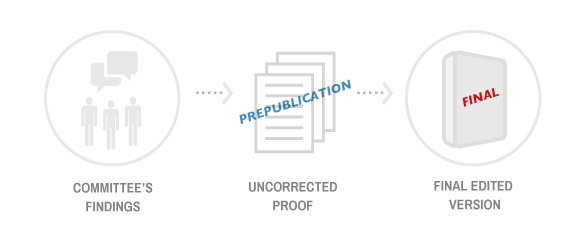
Below are the first 10 and last 10 pages of uncorrected machine-read text (when available) of this chapter, followed by the top 30 algorithmically extracted key phrases from the chapter as a whole.
Intended to provide our own search engines and external engines with highly rich, chapter-representative searchable text on the opening pages of each chapter.
Because it is UNCORRECTED material, please consider the following text as a useful but insufficient proxy for the authoritative book pages.
Do not use for reproduction, copying, pasting, or reading; exclusively for search engines.
OCR for page 427
Medicare: A Strategy for Quality Assurance - Volume I
Index
A
AAAHC, see Accreditation Association for Ambulatory Health Care
ABA, see American Bar Association
ABMS, see American Board of Medical Specialties
Access
barriers, 2, 24, 29, 31, 96, 110, 225–227, 258, 276, 369
to care, 2, 52, 344, 346, 389, 402
to information, 36, 37, 170, 248, 293, 350
to PRO rules, 192
public programs for improving, 34, 96, 256
research needs, 344, 346, 381
to services, 19, 29, 52, 79–80, 225, 288, 346
underdiagnosis/undertreatment, 226–227
underuse and, 23, 52, 225–226, 275, 284, 389
utilization management and, 30, 111
Accountability, for quality of care, 20, 32, 36, 37, 241
and autonomy, 290
and continuous quality improvement, 62–64
and oversight for PRO program, 193, 197, 372, 379–383, 420
and prepaid practice, 193–195
professional, 49, 244
for public monies, 7, 52, 145
Accreditation, 53, 56, 267–269;
see also Joint Commission on Accreditation of Healthcare Organizations
Accreditation Association for Ambulatory Health Care, 268
Accreditation Manual, 124, 267
Accreditation Council for Graduate Medical Education, 271
ACGME, see Accreditation Council for Graduate Medical Education
Activities of daily living, 83, 89–90, 91, 390
ADLs, see Activities of daily living
Administrative data sets, 274–276
OCR for page 428
Medicare: A Strategy for Quality Assurance - Volume I
Administrative Procedure Act, 148
Adverse patient occurrences, 281–283
incidence, 214–215, 218
Agenda for Change, 56, 61, 125, 355, 396;
see also Joint Commission on Accreditation of Healthcare Organizations
AHA, see American Hospital Association
Algorithms, clinical (patient care), 178, 272–273, 278–279, 307, 310, 322, 327, 395
AMA, see American Medical Association
Ambulatory care
certification, 268
quality problems, 246–250
research needed, 355
review in, 142, 177, 194, 196–197, 238, 256–257, 407–408
American Bar Association, 219
American Board of Medical Specialties, 270, 271
American Hospital Association, 120, 307
American Medical Association, 220, 270, 271
American Medical Peer Review Association, 182
American Medical Review Research Center, 179, 346, 355
AMPRA, see American Medical Peer Review Association
AMRRC, see American Medical Review Research Center
Appropriateness
of care, 111, 159, 221–224, 316, 391
guidelines, 3, 272–273, 304–306, 319–321, 325, 328, 370, 418;
see also Practice guidelines
research, 345, 353–354
Art of care, 25, 219, 350–351;
see also Quality-of-care indicators/ measures
Attributes
of criteria sets, 311–319
implementation, 316–319
of medical profession, 289–292
of QA methods, 49–50, 266–267
substantive, 3, 311–316
Autopsy, 266, 286, 287
B
Beneficiary
complaints, 170, 217–218, 252
number of, 100
relations, 169–170
Bi-cycle model, 62, 293;
see also Quality assurance, models
Burden of harm
differentiating among contributing factors, 209–210
overuse and, 208, 210, 220–224
of poor quality care, 27, 31–32
quality problems and, 207
sources of information about, 210–211
of technical and interpersonal quality, 207–208, 209–210, 211–219
underuse and, 209–210, 225–230
C
Capacity building, 3, 14–15, 360–363, 384–385, 418–419
and continuous improvement, 362–363
patient education, 362
professional education, 361–362
research needs, 343
Career paths, 361
OCR for page 429
Medicare: A Strategy for Quality Assurance - Volume I
Carriers, 102, 374, 395;
see also Medicare, claims processing
Case conferences, 228, 286–288
Case-finding
complaints, 170, 217–218
generic screens, 154–156, 160, 183–186, 228, 281–283, 307–388, 323
see also Individual case methods
Case management, 219, 252
Case mix, 11, 12, 247, 259, 308, 356, 378, 409
Certification
board, of health professionals, 53, 246, 266, 267, 269, 270–272, 278, 361
Home Health Agencies, 82, 251, 252
hospitals, 111, 120, 121–122, 128, 129, 130, 135, 371, 420
physician attestation, 156
preadmission, 140
see also Licensure;
Survey and Certification
CHAP, see Community Health Accreditation Program
Claims data, 54, 248, 249, 255;
see also Medicare Statistical System
Clinical indicators, 132–133, 283–284, 308, 396
Clinical information systems, 243–244, 248–249
research needs, 358
CME, see Continuing medical education
CMP, see Competitive medical plans
Coding
accuracy, 242–243, 255, 275–276, 277, 279, 280, 281
ambulatory, 249, 255
ICD-9-CM, 242–243, 257, 275
Part B, 255–256
see also Common Procedural Terminology
Common Procedural Terminology, 257, 275;
see also Coding
Community Health Accreditation Program, 252, 268
Competitive medical plans, 100–102
research needed, 356–357
review in, 173–177, 188, 193–195, 256–257
see also Health maintenance organizations;
Prepaid care
Complaints
beneficiary, 170, 217–218, 252
patient, 287–288, 288–289
Complication rates, medical, 266, 281;
see also Quality-of-care indicators/measures
Computers, see Clinical information systems;
Data
Conditions of Participation, 7–8, 111, 138, 396, 401–402
enforcement, 129–131
federal role, 131–132
HCFA and, 8, 124–125, 128–131, 134–135
history, 120–124
inspection, 128–129
quality assurance condition, 125–128
recommendations, 383–384
shift from capacity to performance standards, 124–125
Continuing Medical Education, 162, 270, 292–293, 354, 361;
see also Physician education
Continuity of care, 13–14, 29–30, 392
Continuous quality improvement, 294, 374–375
accountability, 58, 62–64
applications, 61
OCR for page 430
Medicare: A Strategy for Quality Assurance - Volume I
capacity building and, 362–363
customers and suppliers, 46, 59–60
defined, 46
model assumptions and constructs, 58–61, 387–388
PDCA cycle, 59
research, 352, 362–363
see also Industrial quality control
Corrective actions/plans, 160–163, 216–217
Cost containment, 97, 111, 309, 360, 374, 394–395
CPT, see Common Procedural Terminology
Credentialling, 269
Criteria, quality assurance development, 323–325
for allocation of resources, 393–394
for evaluation and management of care, 322–322
for successful quality assurance, 3, 49–52
mapping, 249
relationship among criteria sets, 308–309
sets, 277–279, 303–309, 310–319
and standards, 277–279
Customers, 58–60;
see also Continuous quality improvement
D
Darling v. Charleston Community Hospital, 241
Data
bases, 243–244, 274–277, 281, 403–404, 415;
see also Medicare Statistical System
collection and analysis, 178, 400, 404–408, 415
disclosure/reporting/dissemination/sharing, 15–16, 34, 170–171, 359–360, 408–410, 415–416
fee-for-service, 255–256
hospital, 243
prepaid care, 256–258
see also Claims data;
Clinical information systems
Decertification, 129, 130, 131, 133, 181–182,
Decision making, 20–25, 56
patient, 22, 362, 385, 402, 407–408
physician, 22, 63, 207–208, 244, 278, 315, 327, 402, 408
and population-based outcomes, 36–37
Deemed status, 7–8, 111, 119, 134;
see also Medicare Program to Assure Quality
Defining quality of care, 2, 4–5, 20–25, 375–377
Delegated review, 142–143, 179, 199;
see also Professional Standards Review Organizations
Department of Health and Human Services, 1, 140
current responsibilities, 102, 119
evaluation of PRO program, 192–193
PRO contracting authority, 149
recommended responsibilities, 6–8, 14, 378, 379, 381–385, 413–414, 416, 420
regulatory and enforcement authority, 135, 163, 216–217
DHHS, see Department of Health and Human Services
Diagnosis-related groups, 97, 224, 228
definition, 108–109
validation, 156–159
OCR for page 431
Medicare: A Strategy for Quality Assurance - Volume I
Discharge
planning, 223, 224, 156, 178, 184
premature, 156, 223, 225, 227–228, 245
review, 156
Disciplinary actions, 48, 215–216
DRGs, see Diagnosis-related groups
E
Education
patient, 169, 362
physician, 139, 162, 177, 292–293, 361–362
Effectiveness/efficacy, 30
medical care, 19, 23, 178
of interventions, 289–297
research, 348–350, 354–355
Elderly
access to care, 2, 31–32, 79–80, 93, 96, 230, 369, 399
activity limitations, 89–90
chronic illness and impairment, 2, 88–89
expenditures, 105–108
federal role in support of, 84–85
geographic distribution, 72–73
health insurance, 75
health status, 85–91
income, 75–79
life expectancy, 2, 85–86
living arrangements, 73–75
Medicare issues for, 2
mental health, 90–91
mortality, 86–88
nursing home residents, 74–75, 81–82
race and ethnicity, 71
rate of population growth, 2, 69–71
satisfaction with care, 1
sex ratios, 71
support ratios, 71
Elderly, use of services
community-based services, 83–84
home health care, 82–83
hospital, 79
long term care, 81–84
nursing home, 81–82
physician, 79–81
EMCROS, see Experimental Medical Care Review Organizations
Enforcement, 128–131, 133–134, 253;
see also Sanctions and sanctioning process
DHHS authority, 135, 163, 216–217
OIG authority, 145, 163–167, 189, 200, 411
Episodes
of care, 177, 239, 247–248, 405–406
of illness, 239
Ethics, in health care
autonomy, 23, 290
beneficence, 25
equity, 24
fidelity, 25
fiduciary relationship, 25
nonmaleficence, 25
Evaluation of programs
PRO, 180–182, 192–193, 260
MPAQ, 379–383, 399–400, 414, 417–418
MQRO, 398–399
Exemplary performance, 16, 47, 323, 416;
see also Incentives
Expenditures
by elderly for health care, 105–108
health care, 28–29, 103–105
Medicare, 28–29, 105–108
Experimental Medical Care Review Organizations, 139
OCR for page 432
Medicare: A Strategy for Quality Assurance - Volume I
F
Federation of State Licensing Boards, 215, 216
Fee-for-service, 3, 73, 254–256
and accountability for care, 194–195
alternatives to, 100–102, 112
conflict of interest, 25, 48
data, 255–256
and medical records availability, 193
and overuse, 140, 230
prepaid system contrasted with, 254
prevention of quality problems, 246, 255–257
quality review in, 173, 175, 177, 182, 188, 194–195, 196, 254, 401
types of problems, 256
Feedback, 408–409
to clinicians, 254, 292–293, 359, 415–416
loop, 15, 249
FI, see Fiscal intermediaries
Findings and conclusions, 2–4, 369–371
Fiscal intermediaries, 102, 138, 225, 374
FSLB, see Federation of State Licensing Boards
Funding
for MPAQ, 9–10, 385–387
for MQRO, 396–397
for PRO program, 171–173
for research, 363
G
GAO, see General Accounting Office
General Accounting Office, 145–146, 167, 183, 192–193, 212, 217, 383
Generic screens
case-finding, 323
characteristics, applications, and processes, 154–156, 160, 281–283
limitations and problematic aspects of, 183–186, 282–283
strengths, 282
see also Adverse patient occurrences;
Occurrence screens
Guidelines, 30
appropriateness, 3, 272–273, 304–306, 319–321, 325, 328, 370, 418
patient management, 272–273, 306–307, 322–323
research, 353–354
see also Generic screens;
Practice guidelines
H
HCFA, see Health Care Financing Administration
HCQIA, see Health Care Quality Improvement Act
Health accounting, 62;
see also Quality assurance models
Health Care Financing Administration
Bureau of Policy Development (BPD), 121
and Conditions of Participation, 8, 124–125, 128–131, 134–135
Health Standards and Quality Bureau (HSQB), 120, 121, 128, 132, 140, 346, 363
and HMO/CMP review, 177–182
hospital-specific mortality rates, 35, 280, 308
Office of Research and Demonstrations (ORD), 346, 351, 363
procedures, 148, 192–193
and PSROs, 143, 145
research, 346
OCR for page 433
Medicare: A Strategy for Quality Assurance - Volume I
responsibility for Medicare program, 120
responsibility for quality, 34, 110
Health care personnel/professionals distribution
manpower, 27–28, 58, 159, 343
training, see Capacity building
see also Physician
Health Care Quality Improvement Act, 148, 171, 410
Health maintenance organizations, 100–102
accountability, 193–195
data, 256–258
quality review in, 173–177
prevention of problems, 246, 256
research needed, 356–357
see also Competitive medical plans;
Prepaid care
Health services research, 344
Health status assessment, 20, 26, 34, 57, 286, 406–407;
see also Activities of daily living
of the elderly, 85–91
research needs, 351–352
HMOs, see Health maintenance organizations
Home health
agencies, 82
case management financing, 250–251
homebound provisions, 82, 83, 356
Medicare certification, 82, 251–252
quality problems, 282–219, 250–254
research needed, 356
review in, 186–187, 406–407
state licensure, 251–252
visits per person, 82–83
voluntary certification, 252
Hospitals
adequacy of QA mechanisms, 3
certification, 111, 120, 121–122, 128, 129, 130, 135, 371, 420
data, 243
discharge rate surveys, 79
elderly use of care, 79
mortality rates, 208, 280, 291;
see also Quality-of-care indicators/measures
nosocomial infections, 125, 154, 156, 184
outcomes of care, small area analysis, 179
readmissions, 161, 186, 227, 275
Hospital care, 79, 241–245
I
Incentives, 16, 47, 51, 293–294, 416
Individual case methods, 247, 286–289, 307–309
Industrial quality control, 58–61;
see also Continuous quality improvement
Information management, see Clinical information systems;
Data
Inspection, state
Conditions of Participation, 128–129
see also Certification;
Licensure
Intermediaries, see Fiscal Intermediaries
Intervening care, 160, 187, 196;
see also Medicare Peer Review Program;
Readmission, to hospital
J
JCAHO, see Joint Commission on Accreditation of Healthcare Organizations
Joint Commission on Accreditation of Healthcare Organizations
Agenda for Change, 56, 61, 125, 355, 396
OCR for page 434
Medicare: A Strategy for Quality Assurance - Volume I
decision rules, 129–130, 134
deemed status, 7–8, 111, 119, 134
see also Certification;
Conditions of Participation;
Decertification
L
Legislative charges to IOM, xii
Liability, 159, 211–215;
see also Malpractice
Licensing, 162, 171, 269–270
Licensure, 251–252, 269–270;
see also Certification
Life expectancy, 26, 85, 86
Long term care, 81–84, 91–93
M
Malpractice, 35–37, 211–215, 220;
see also Liability)
Market forces and competition, 33, 35, 37, 220–221, 296
Medical records, 134, 141, 178, 191, 241–242, 255, 258, 318, 358–359
Medicare
administration, 102
claims processing, 102
Conditions of Participation, 111
data systems, see Medicare Statistical System
deductibles and coinsurance, 104
enrolled population, 100
expenditures, 28–29, 105–108
financing, 103
HMO and CMP risk contracts, 100–102
Hospital Insurance (Part A), 97
legislation related to, 98
Medicare Insured Groups, 102
mission, 4–5, 96, 375–377
prospective payment system, 79–80, 82–83, 107–109, 394–396
quality assurance goals, 5, 110–111;
see also Conditions of Participation;
Medicare Peer Review Organizations;
Utilization Management
Supplementary Medical Insurance (Part B), 99
Medicare Peer Review Organizations (PROs)
ambulatory review, 194, 256–257
beneficiary complaints, 170
beneficiary relations, 169–170
contracts, 148–149
data acquisition, sharing, and reporting, 170–171
denials for substandard quality of care, 190–191
DRG validation, 149, 156–159
funding, 171–173
generic screens, 154–155, 160, 183–186
HMO and CMP review, 173–177, 193–195
home health review, 186–187
intervening care, 160
interventions (QIP), 161–163
Manual, 148
nonhospital review, 159–160, 196–197
organizational characteristics, 148
outreach, 170
oversight, 193, 197, 372, 379–383, 420
physician review, 187
preadmission and preprocedure review, 159
PRO pilots, 179–180
provider relations, 170
quality interventions, 161–3
required review activities, 149–160, 169–171
review of rural care, 159, 188–189
sanctions, 163–169, 189–190
OCR for page 435
Medicare: A Strategy for Quality Assurance - Volume I
scope of work, 154–156, 159
triggers (weighted), 162–163
waiver of liability, 159
Medicare Peer Review Organization Program
administration of program, 148
administrative procedures, 192
controversial aspects of, 182–195
costs, funding, 171–173
enabling legislation, 147–148
evaluation (program), 180–182, 192–193, 260
peer review, 188–189
PROMPTS-2, 180
review of rural care, 159, 188–189
SuperPRO, 180–182
UCDS (Uniform Clinical Data Set), 177–179
Medicare Program to Assure Quality, 1, 10–14, 378, 387–400
allocation of resources, 393–394
evaluation/public oversight, 379–383, 399–400, 414, 417–418
implementation strategy, 14–17, 412–419
funding, 9–10, 385–387
operational overview, 12–14, 389–392
problems and limitations, 392–393
research, 418
responsibilities, 394–400
special projects, 416–417
structure, 388–389
Medicare Quality Review Organization, 378–379, 400–410
data, data collection, and analysis, 401–408, 415
evaluation, 398–399
feedback, data reporting, and data sharing, 408–410, 415–416
funding, 396–397
quality interventions, 410–412
reconsideration of PRO functions, 395–396
review topics, 404–405
Medicare Statistical System (MSS), (M/MDSS), 117–118
Mental health, 90–91
MPAQ, see Medicare Program to Assure Quality
MQRO, see Medicare Quality Review Organization
N
NAQAP, see National Association of Quality Assurance Professionals
National Association of Quality Assurance Professionals, 361
National Center for Health Services Research, 346
National Center for Health Statistics, 69, 79, 90
National Committee on Quality Assurance, 268
National Council on Medicare Quality Assurance, 379, 382–383
National League for Nursing, 252, 268
National Practitioner Data Bank, 171, 396
NCHS, see National Center for Health Statistics
NCHSR, see National Center for Health Services Research
NCQA, see National Committee on Quality Assurance
Net benefit, 4, 21, 22, 320
NLN, see National League for Nursing
Nosocomial (hospital-acquired) infections, 125, 154, 156, 184
Notices of denial, 196;
see also Medicare Peer Review Organization Program
Nursing homes, 74–75, 81–82
OCR for page 436
Medicare: A Strategy for Quality Assurance - Volume I
O
OBRA, see Omnibus Budget Reconciliation acts
Occurrence screens, 307–308;
see also Adverse patient occurrences;
Generic screens
Office of Inspector General
activity on interventions and sanctions, 167, 169, 217
enforcement authority, 145, 163–167, 189, 200, 411
evaluation of PRO program, 193
procedures for recommending sanctions to, 166
recommendations on penalties, 189–190
recommended role of, 383
OIG, see Office of Inspector General
Omnibus Budget Reconciliation Act of 1986, 1, 148, 173, 180
Omnibus Budget Reconciliation Act of 1987, 102, 148, 149, 190, 252, 253
Omnibus Budget Reconciliation Act of 1989, 191
Organizational change, 294–295
Outcome measures, 266, 405
in ambulatory care, 247, 406–407
in Conditions of Participation, 128
in data bases, 276, 358;
see also Outcomes data
distinguishing providers on basis of, 16
in health status assessment, 284, 286
for home health care, 253, 406
limitations of, 13, 128, 132, 259, 276, 286, 358, 391, 402, 409
in MPAQ, 12–13, 386, 389–391
nonintrusive, 266
OBRA requirements, 253
patient-provider decision-making process and, 36
process links with, 6, 21, 51, 62, 54, 316, 348, 353, 357, 364, 377, 391–392
research needs on, 273, 351, 353, 357, 383–384
scales, 253
severity adjustment, 351
strengths of, 286
in structure-process-outcome model, 53, 56–58
Outcomes
art-of-care and, 350–351
assessment, 247, 253, 266–267, 276, 277, 319, 405, 406
and burden of harm, 207
continuity of care and, 13–14
of the elderly, 200
in home health care, 218, 250–251, 253
of hospital care, small area analysis, 179
longitudinal, 196
management, 74, 407
physician certification and, 271–272
population, 11, 196, 259
provider-patient relationship and, 25
research, 8, 327, 346–347, 397–398
underuse and, 226
volume of services and, 276–277
see also Surgical mishaps
Outcomes data
collection of, 390–391, 393, 397, 404–408, 415
confidentiality, 360, 409
from data bases, 273–275
general points, 279–280
hospital mortality rates, 280
lack of, 58, 134, 135
medical complications, 281
OCR for page 437
Medicare: A Strategy for Quality Assurance - Volume I
recommended scope of, 403
uses, 5, 7, 10, 12, 15, 247, 377, 383, 387, 388–389
Outliers, 46–47, 141, 208, 416–417;
see also Physician, performance
Outreach, 170
Overuse
and burden of harm, 208–209, 210, 220–224
defined, 208
fee-for-service and, 140, 230
and underuse, 210
P
Patient
complaints, 287–289
compliance, 241
decision making, 22, 362, 385, 407–408
education, 169, 362
management guidelines, 272–273, 306–307, 322–323
privacy/confidentiality, 359–160
records, 242;
see also Medical records
reports, 284–285
satisfaction, 244, 284–285, 347, 350–351
Patrick v. Burget, 245
PDCA cycle, 59
Peer review, 148, 154, 170, 188–189, 198, 244
Performance
exemplary, 16, 47, 323, 416
profiles, 244, 410–411
standards, 62, 124–125
Physician
attestation, 140
education, 139, 162, 177, 292–293, 361–362;
see also Continuing Medical Education
manpower, 27–28
payment, 31, 99–100
performance, 16, 47, 141, 416–417;
see also Outliers
Physician Payment Review Commission, 110–111, 187–188
Pilot projects, PRO, 179–180
Policies and procedures, 192, 241
Population-based measures, 36–37, 63;
see also Quality-of-care indicators/measures
Potentially compensable events, 213;
see also Liability
PPRC, see Physician Payment Review Commission
PPS, see Prospective payment system
Practice guidelines, 272–273, 328
research needs, 353–354;
see also Guidelines
Practice variations, 222
small area analysis, 222–223
Premature discharge, 156, 223, 225, 227–228, 245
Prepaid care, 100–102, 194–195, 246, 256–258;
see also Competitive Medical Plans;
Health maintenance organizations
Preventable deaths, 214
PROs, see Medicare Peer Review Organizations
Process measures of quality, 54–56, 277–279, 350–351, 391–392, 402–403
linking process with outcomes, 279–280, 353
see also Quality-of-care indicators/measures
Professional Standards Review Organizations
activities, 140–142
costs, 143
delegated review, 142–143
impact, 146
OCR for page 438
Medicare: A Strategy for Quality Assurance - Volume I
National Council, 144
sanctions, 145–146
structure, 140
Professional incompetence, 215
Professionalism, 18, 32–33, 291
ProPAC, see Prospective Payment Assessment Commission
Prospective Payment Assessment Commission, 17, 29, 107, 109–110, 184, 227–228, 346, 382
Prospective payment system, 79–80, 82–83, 107–109, 227
and cost containment, 109, 394–396
PSROs, see Professional Standards Review Organizations
Public good, 34, 379
Public oversight
MPAQ, 399–400, 417–418
PRO, 193, 197, 372, 379–383, 420
Q
Quality assessment, defined, 45–46
Quality assurance
defined, 45
ideology, 296
international perspective, 61–62
leadership, 296
purpose of, 46–47
professional responsibility for, 32–33
public responsibility for, 33–34
Quality assurance, models
bi-cycle model, 62, 293
continuous improvement, 58–61
focus, 3
health accounting, 62
MPAQ, 371–373
structure/process/outcome, 53–58, 387
traditional and continuous improvement models compared, 62–64
Quality assurance, programs
criteria for judging success of, 49–52
external, 48–49
federal, see Conditions of Participation;
Medicare Peer Review Organization Program
findings and conclusions, 2
internal, 47–49, 268, 388–389
Quality of care
criteria for review, see Criteria, quality assurance
definitions, 4–5, 20–25, 375–377
effect of organization and financing, 295–297
research needed, 357–358
Quality-of-care indicators/measures
complication rates, 281
mortality rates, 280
nosocomial infections, 125, 154, 156, 184
reliability and validity, 266–267, 311–314
retrospective methods, 221, 226, 277–279
structural measures, 53–54
volume of service, 276–277
see also Generic screens;
Outcome measures;
Population-based measures;
Process measures of quality
Quality-of-care problems
in ambulatory care, 246–250
correcting, 244–245, 249–250, 253–254
detecting, 242–244, 247–249, 252–253
differentiating among problems, 209–210
in home health, 218–219, 250–254
interpersonal care, 208
overuse, 220–224
preventing, 241, 246, 251–252
technical care, 207–209, 211–219
OCR for page 439
Medicare: A Strategy for Quality Assurance - Volume I
underdiagnosis/undertreatment, 226–227, 228–229
underuse, 209, 225–230
see also Art of care
Quality interventions
MQRO, 410–412, 416
PRO, 161–163, 167–169
QualPAC, see Quality Program Advisory Commission
Quality Program Advisory Commission, 7, 379–382
R
Readmission, to hospital, 161, 186, 227, 275
Reappointment and privileging, 240, 241
Recommendations
capacity for quality, enhancement of, 8–9, 384–385
funding, 9–10, 385–387
goals for Medicare quality assurance, 6, 377–378
Medicare Conditions of Participation, 8–9, 383–384
mission of Medicare, 5–6, 375–377
National Council on Medicare Quality Assurance, 7, 379, 382
PRO program restructuring, 6, 378–379
public accountability and evaluation program, 6–7
Quality Program Advisory Commission, 7, 379–381
report on quality of care, 7, 379
research into efficacy, effectiveness, and outcomes of care, 8–9, 384–385
Regulation, in medicine, 33
Administrative Procedure Act, 148
Code of Federal Regulations, 120
PRO, 192, 147–148
PSRO, 145–146
TEFRA, 101, 110, 147–148, 188
see also Conditions of Participation
Reliability, 226–227, 311–314
Reminders, clinical, 244, 266, 273–274
Reports, patient, 284–285
Research
access to care, 344, 346, 381
ambulatory care, 355
appropriateness, 345, 353–354
capacity building, 343
clinical information systems, 358
CMPs, 356–357
continuous quality improvement, 352, 362–363
effectiveness, 348–350, 354–355
funding, 363
guidelines, 353–354
HCFA, 346
health services, 344
health status assessment, 351–352
HMOs, 356–357
in home health, 356
MPAQ, 418
outcomes, 8, 327, 346–347, 397–398
practice guidelines, 353–354
practice variations, 222–223
priorities for, 345
rural care, 357
severity of illness, 351
Resource allocation, 393–394
Resource constraints, 24, 377, 402
Retrospective review, 140–141, 162, 221, 277–279, 310
Rewards and penalties, 256, 266, 293;
see also Incentives
Risk
adjustment, 275, 277, 391;
see also Severity of illness
contracts, 100–102
management, 35–37, 208, 241, 283;
see also Liability;
Malpractice
OCR for page 440
Medicare: A Strategy for Quality Assurance - Volume I
Rulemaking and public notice, 148, 192
Rural care, 27, 29, 99, 108, 135, 159
and peer review, 188–189
research needs, 357
S
Sanctions and sanctioning process, 145–146, 216–217, 412
PRO, 163–169, 189–190
recommendations to OIG, 169
Satisfaction, 1, 20, 21–22, 23
patient, 244, 284–285, 347, 350–351
Severity of illness
adjustment, 12, 243, 255, 280–281, 383, 405
research into, 351
Shifting the curve, 16, 47, 416;
see also Physician, performance
Small area variations analysis, 179–180, 276, 222–223, 346–347;
see also Pilot Projects;
Practice variations
Statistical control (quality control), 58
Structural measure of quality, 53–54, 56–58, 268, 378
Study methods
criteria-setting panel, xiv
focus groups, xiv
public hearings, xiv
site visits, xiv
Suppliers, 35, 59–60;
see also Continuous quality improvement;
Customers
Surgical mishaps, 213
Survey and certification, 4, 7, 8, 14, 121, 124, 128, 129, 132–135, 180, 410;
see also Conditions of Participation;
Joint Commission on Accreditation of Healthcare Organizations
Surveys
of activity limitations in elderly, 90
of defensive medical practices, 220
health status assessment, 407
of home health quality problems, 218, 240
of hospital discharge rates, 79
measurement of quality through, 53, 56
patient satisfaction, 279, 284–285
of PRO impact, 182
recommended, 400
of underuse, 226
T
TAP, see Technical Advisory Panel
Tax Equity and Fiscal Responsibility Act, 101, 110, 147, 148, 188
Technical Advisory Panel, 382–383
Technical quality, 207–208, 211–219
defined, 207–208
and interpersonal care, 207–208, 211–219, 296, 353
see also Quality-of-care problems
TEFRA, see Tax Equity and Fiscal Responsibility Act
U
UCDS, see Uniform Clinical Data Set
Underdiagnosis and undertreatment, 226, 227, 228–230;
see also Quality of care problems
Underuse, 225–230
access to care and, 23, 52, 225, 226, 275, 284, 389
and burden of harm, 209–210, 225–230
defined, 209
and outcomes, 226
and overuse, 210
OCR for page 441
Medicare: A Strategy for Quality Assurance - Volume I
surveys of, 226
see also Quality-of-care problems
Uniform Ambulatory Care Data Set, 248
Uniform Clinical Data Set, 177–179, 186, 395, 404
Uniform Needs Assessment, 180, 227, 346, 356, 406
Use of services;
see Elderly, use of services;
Overuse;
Underuse
Utilities, 36, 57, 61, 352
Utilization management, 30–31, 36, 37, 111, 140–141, 374, 394–395
Utilization and Quality Control Peer Review Organizations Program, see Medicare Peer Review Organizations;
Medicare Peer Review Organization Program
V
Validity/validation, 51, 316
of appropriateness guidelines, 319–320, 328
of DRGs, 156–159
of patient evaluation and management criteria, 328
of quality of care indicators/measures, 266–267, 311–314
Value purchasing, 36
Variations, 222–223
research, 348–350
small area, 179–180, 222–223, 276
Volume of services, 276–277
Representative terms from entire chapter:
home health